
Last updated November 23, 2026
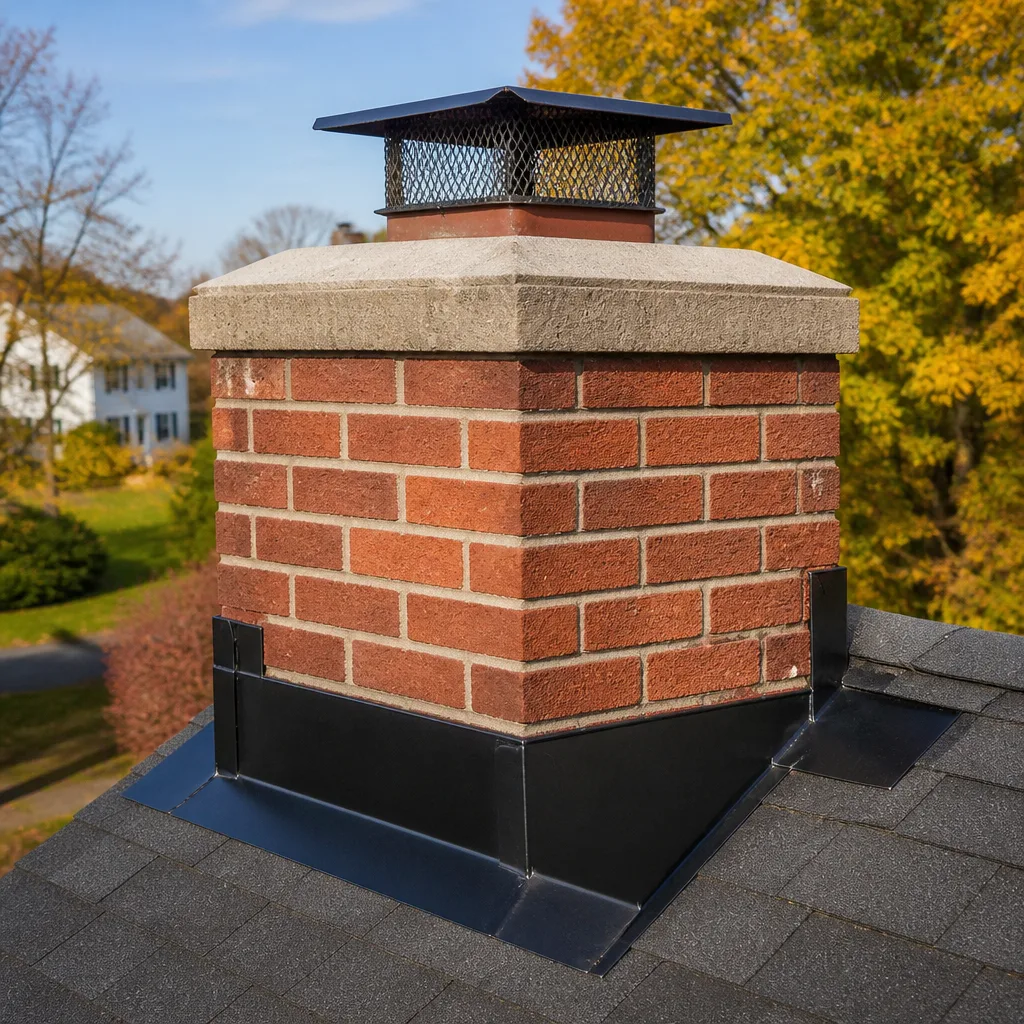 Sweep & inspection
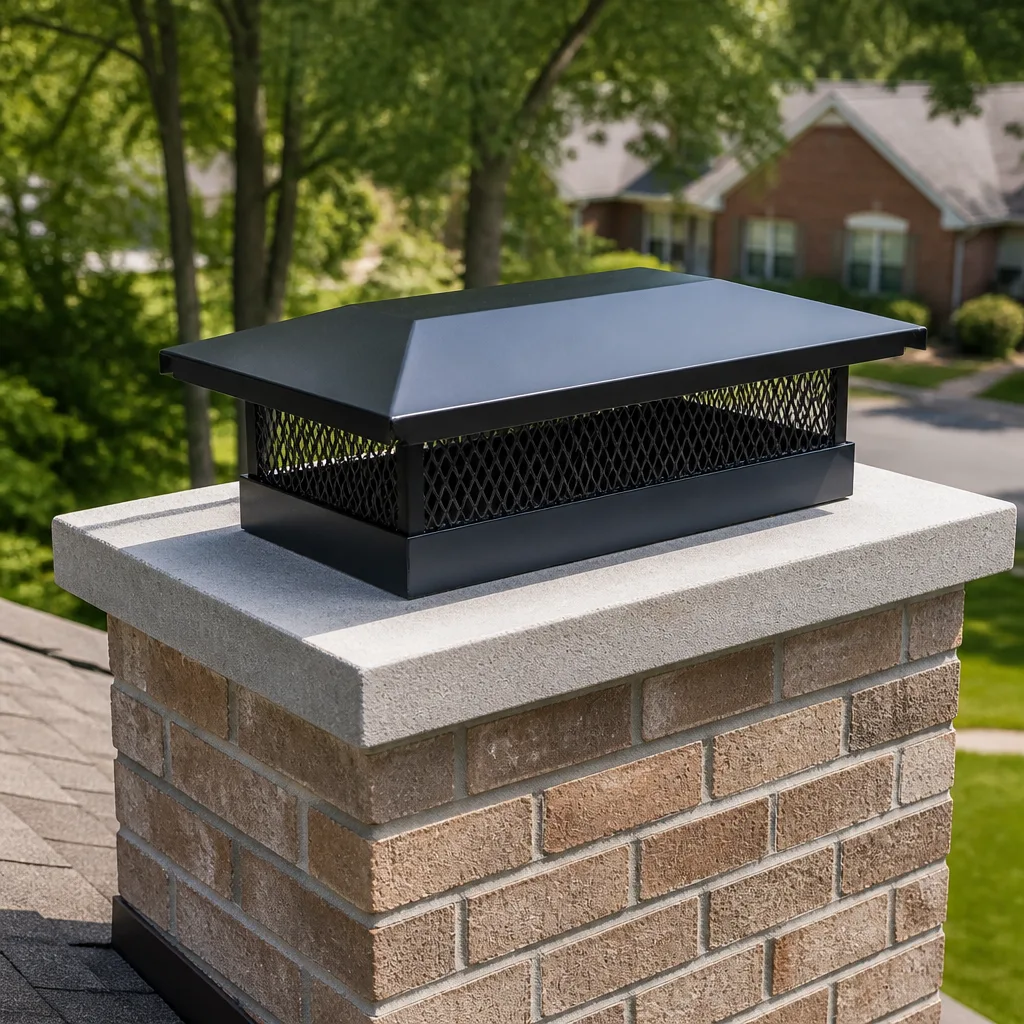 Caps & crowns
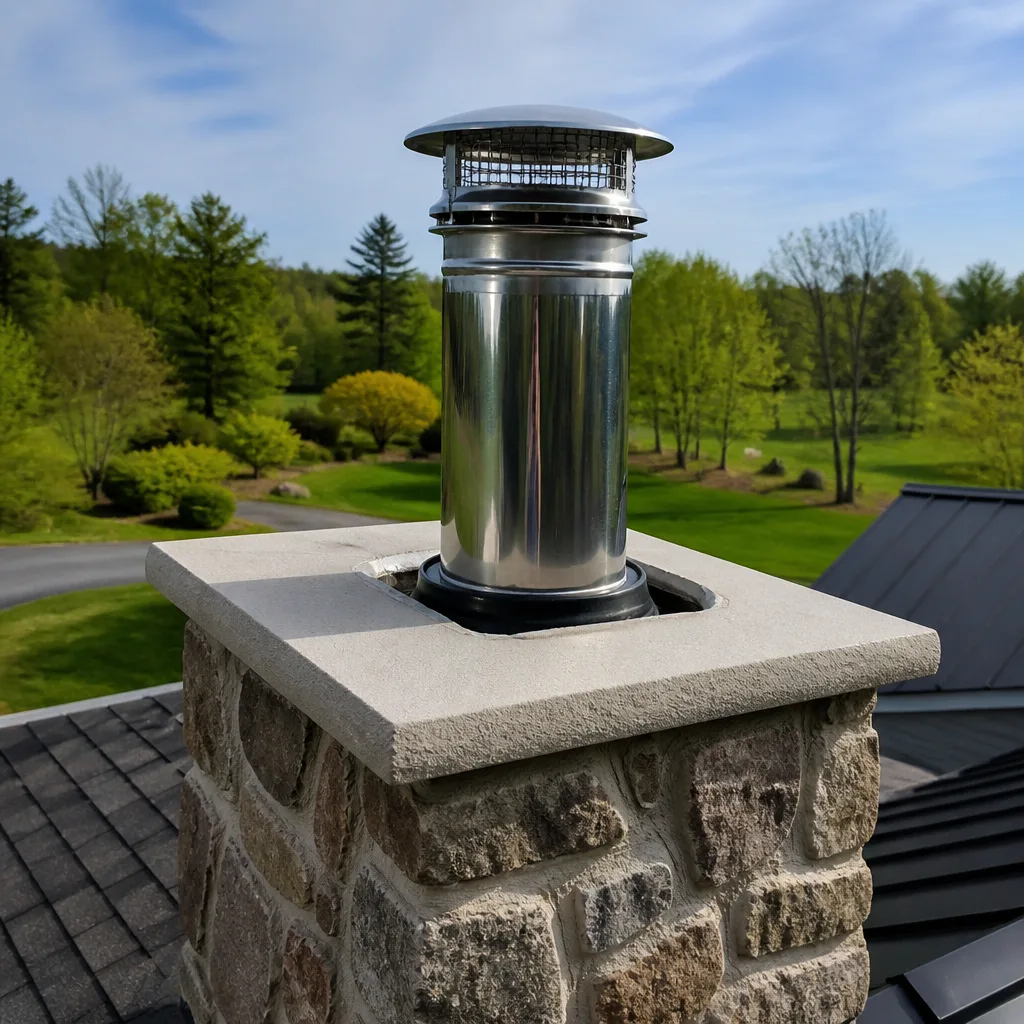 Flue relining
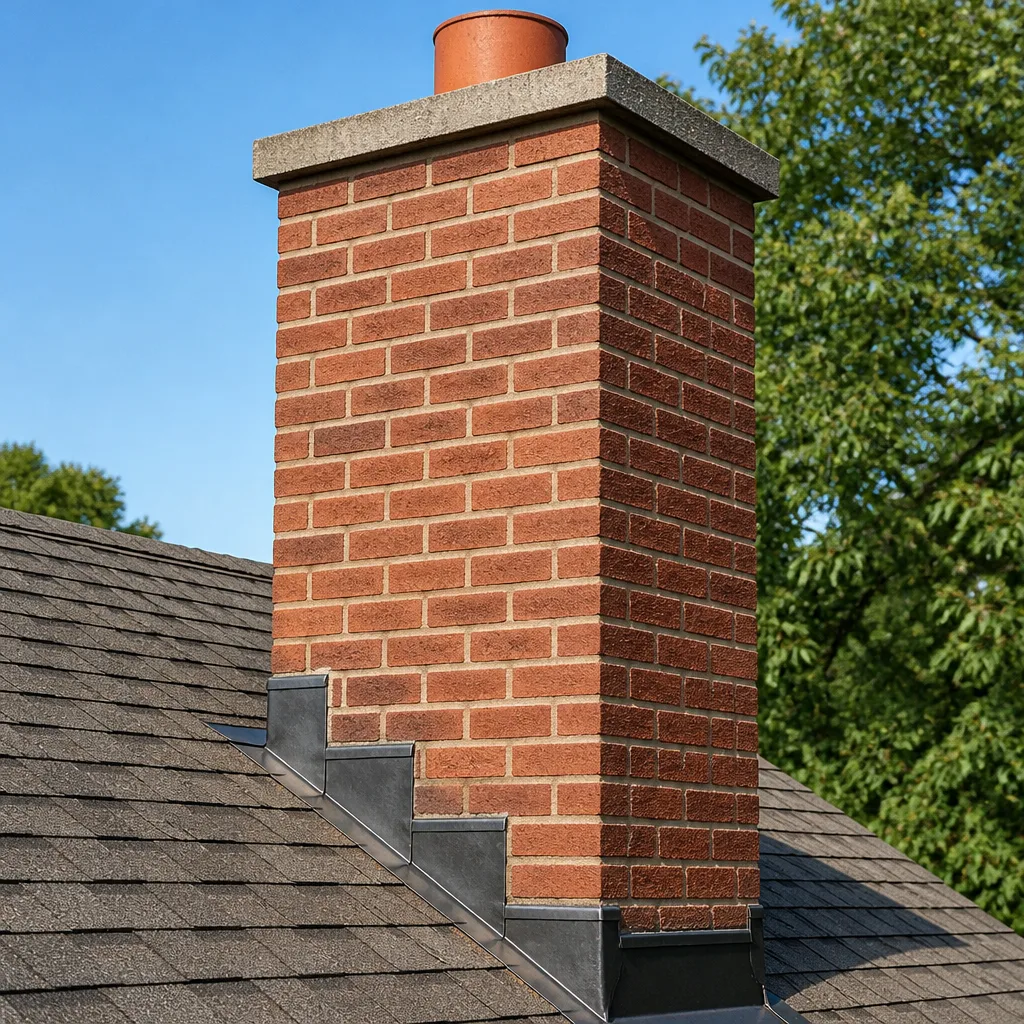 Masonry repair
 Gas fireplace service
Level 1 sweep and inspection to the NFPA 211 annual standard - flue, crown, cap, and flashing checked and photographed
Chimney sweep logs do not sweep chimneys. They loosen some creosote - which then falls where a brush and vacuum still have to collect it.
Chimney Cleaning Permits, Codes & Inspections in Southlands, CO: What You Need to Know
Here’s the part most homeowners get backwards: cleaning your chimney needs no permit at all, while the repair that often follows a cleaning may need one. People assume the opposite. They figure a sweep is regulated and a repair is just a contractor’s call. In Colorado, a routine sweep is maintenance and stays outside the permitting system entirely. The moment someone alters the flue, swaps a liner, or rebuilds part of the structure, you’ve crossed into work that’s supposed to be inspected and signed off. If your contractor replaces a flue liner without pulling a permit in Arapahoe County, you’re the one holding liability when it shows up on a home inspection report, not them. This guide walks through where that line sits in Southlands, how the local code layers work together, what a Level 2 inspection actually documents, and how to confirm the right permits are in place before anyone touches your chimney.
Quick Answer
Routine chimney cleaning in Southlands, CO requires no permit, but any alteration or repair to the flue, liner, or chimney structure generally does. Arapahoe County and the City of Aurora both layer local amendments on top of the International Residential Code, and the technical standard behind most chimney requirements is NFPA 211. A Level 2 inspection is required after a chimney fire, after a change to the system, and at many real estate transactions, and it’s the document that proves the work was done correctly.
Styles & brands we work with
- Sweep & inspection
- Caps & crowns
- Flue relining
- Masonry repair
- Gas fireplace service
Table of Contents
- Where Maintenance Ends and Repair Begins
- How Colorado, Arapahoe County, and Aurora Codes Interact
- What NFPA 211 Is and Why Inspectors Use It
- The Level 2 Inspection: What It Is and When It’s Required
- How to Confirm Your Contractor Is Pulling the Right Permits
- What Unpermitted Work Does to Insurance and Resale
- Southlands Chimney Conditions and What They Mean for Code
Where Maintenance Ends and Repair Begins
This is the boundary that trips up most homeowners, and it’s worth getting straight before you book anything. Maintenance keeps a chimney in the condition it was built in. Repair changes it. Colorado does not require a permit to clean a chimney, sweep a flue, or remove creosote. Those tasks restore function without touching the structure. No inspection is triggered, no sign-off is needed, and no record of the work enters the permit system.
Cross into alteration and the picture changes. A flue liner replacement is the clearest example. So is relining a flue to change its size or shape, rebuilding a chimney above the roofline, capping or extending a flue, or modifying a firebox. When you replace a liner, you’re changing the venting system itself, and the code treats that as construction work rather than housekeeping.
Here’s how we walk homeowners through the split in practice:
- No permit typically needed: routine sweeping, creosote removal, visual inspection, cap replacement, minor mortar touch-ups on the firebox, and cleaning of the smoke chamber.
- Permit typically required: flue liner installation or replacement, chimney rebuilds, structural repair to the masonry, flue resizing, and any alteration to the venting path.
- Ask the building department: HeatShield flue resurfacing sits in a gray zone depending on how the local authority reads it, and crown work varies by jurisdiction. Call Arapahoe County or the City of Aurora directly and ask before work begins.
We mention this because a surprising number of Southlands homeowners have had a liner replaced with no permit filed, and they didn’t know they should have asked. A professional Chimney Sweep Southlands visit starts with an honest answer about which side of the line your job falls on, and whether a permit is part of the scope. It’s a five-minute conversation that saves years of headaches.
How Colorado, Arapahoe County, and Aurora Codes Interact
Colorado doesn’t have a single statewide chimney code that overrides everything else. What it has is a framework. The state adopts building codes, and then counties and cities amend them, which means the rules that apply to your Southlands home depend on exactly where it sits. Southlands straddles the boundary between unincorporated Arapahoe County and the City of Aurora, so two homes a few blocks apart can fall under slightly different permitting paths for the same job.
The foundation for both is the International Residential Code, which includes a chapter dedicated to chimneys and vents. That chapter sets minimum clearances, required flue sizing, liner material standards, and height requirements above the roofline. Arapahoe County and Aurora each take the IRC and layer local amendments on top. Those amendments usually sharpen the details: how a permit application is filed, what plans need to accompany it, and which inspections are required at which stages.
In practical terms, here’s what a homeowner needs to know:
- Confirm which jurisdiction your address falls under before you file anything. A quick call to the county or city building department settles it, and it’s the single most common source of confusion in Southlands.
- Expect the local code to reference NFPA 211 for the technical standard, even when the permit paperwork cites the IRC.
- Ask whether a final inspection is required, and if so, what the inspector will want to see. Sometimes it’s a visual check of the flue; sometimes it’s documentation from the installer.
- Keep the permit and the inspection sign-off with your home records. If you ever sell, that paper trail is worth more than you’d think.
We work in both jurisdictions and stay current on how each one reads the rules, which is one reason a dedicated chimney sweep visit here isn’t quite like a sweep in a city with a single code authority. The questions are the same. The answers differ by address.
What NFPA 211 Is and Why Inspectors Use It
NFPA 211 is the national standard for chimneys, fireplaces, vents, and solid fuel-burning appliances. It’s not a law, but it’s the technical backbone behind most chimney code requirements in Colorado, and it’s the document inspectors reach for when they need to evaluate whether a system is safe and correctly built.
When a building inspector looks at a flue liner installation, they’re not reading NFPA 211 line by line. They’re applying it, because the local code incorporates it by reference. The standard covers how a chimney must be constructed, the required clearances to combustibles, how flue liners must be listed and installed, and how a technician should assess the condition of an existing system. It also defines the three levels of inspection that every chimney professional uses.
That definition is worth understanding, because it’s the language your contractor speaks and the language your building department understands. A Level 1 inspection is a visual check under normal conditions, with the readily accessible parts of the system examined. A Level 2 inspection goes further: it’s the one that includes a video scan of the flue interior, and it’s what the standard calls for when the system has changed or been damaged. A Level 3 inspection involves opening up parts of the structure to get at something that can’t be reached otherwise.
The reason this matters is accountability. When a permit is pulled and an inspector signs off, they’re confirming the work meets the standard the code points to. When no permit exists, the standard was never applied by anyone with authority, and the homeowner is left holding a system nobody has verified. In Southlands, with a mix of newer builds and older homes, that gap shows up more often than it should.
The Level 2 Inspection: What It Is and When It’s Required
A Level 2 inspection is the inspection of record for any situation where the chimney system has been damaged or changed. It includes a visual assessment of everything accessible, plus a video scan of the flue interior from top to bottom. The scan is what separates it from a Level 1: it shows the condition of the liner walls, the joints, and the interior of the flue in a way the eye alone can’t. The result is documented with photos and a written report.
NFPA 211 calls for a Level 2 inspection in specific situations:
- Real estate transactions: a change of ownership is a change of use, and the new owner deserves to know the condition of the system they’re buying.
- After a chimney fire: even a small fire can crack a liner in ways you can’t see from the outside.
- After a change to the system: a new liner, a new appliance, a change of fuel type, or a flue relining all trigger the requirement.
- After a natural event that may have damaged the chimney: settling, roof damage, or anything that could have shifted the structure.
- When a Level 1 has raised questions: if the visual inspection turns up a concern the eye can’t resolve, the standard calls for going deeper.
For Southlands homeowners, the real estate trigger is the one we see most often. A buyer’s inspector flags a liner, the seller says it was replaced, and there’s no report and no permit to back that up. The buyer then orders a Level 2 to find out what’s actually inside the flue.
What the inspection documents matters as much as the inspection itself. Your report should name the condition of the flue liner, the smoke chamber, the damper, and the crown, and it should show photos of what was found. If you ever sell, that report is your proof the system was evaluated by a professional. When you call Chimney Sweep Southlands for a fireplace repair estimate in Southlands, we’ll tell you upfront whether a Level 2 is part of the scope, and we’ll show you the camera footage for yourself rather than asking you to take our word for it.
How to Confirm Your Contractor Is Pulling the Right Permits
Confirming a permit takes about ten minutes and is the single best protection you have as a homeowner. The contractor should be pulling the permit in the company’s name, not yours, and the permit should be issued before work begins. If a contractor asks you to pull the permit as the homeowner, that’s a signal worth taking seriously.
Here’s how to verify it, step by step:
- Ask, before booking, whether the job requires a permit, and get a straight yes or no. If the contractor says no for a liner replacement or a rebuild, ask why in writing.
- Ask for the permit number once the work is scheduled, or better, once it’s issued. A legitimate contractor can produce it.
- Call Arapahoe County or the City of Aurora building department, whichever has jurisdiction, and confirm the permit exists and matches the scope of work.
- Ask what inspections are required at each stage, and confirm who calls for them. It should be the contractor, not you.
- Ask for the final inspection sign-off once the work is complete, and keep it with your home records.
The reason to do this before the work rather than after is simple. Once the flue is rebuilt, the paper trail is either there or it isn’t. If it isn’t, you’re the one trying to reconstruct it years later. We’ve seen the alternative play out for Southlands homeowners often enough to build permit questions into every initial conversation. A professional-grade installation using disciplined materials like DuraFlex liners or HeatShield resurfacing is the standard we hold to, and that standard includes the paperwork as much as the work itself.
What Unpermitted Work Does to Insurance and Resale
Unpermitted chimney work is a quiet problem that surfaces at the worst possible time. The two places it shows up: an insurance claim after a fire, or a home inspection during a sale.
On the insurance side, the question a carrier asks when you file a claim is whether the system was properly installed and maintained. If a liner was replaced without a permit, that question gets hard to answer. Some carriers decline coverage for the loss in that situation. Others pay but then raise your premium or non-renew the policy. The final ruling depends on the carrier and the circumstances, but the risk sits with you, not the contractor, because you own the system.
On the resale side, a home inspector will notice a chimney liner that looks newer than the surrounding masonry. They’ll ask when it was replaced and whether it was permitted. If there’s no record, the buyer’s agent will recommend a Level 2 inspection, and the seller will be asked to fund one. The deal can stall while everyone waits for the report. In Southlands, where homes move in and out of the market regularly, we’ve seen a missing permit stretch a closing by weeks.
The good news is that all of this is preventable. A permit means the work was inspected by the local authority, which is the same assurance a buyer’s inspector will be looking for. When we book a chimney cap & crown installation or a liner job in Southlands, a permit is part of the conversation from the start, and the final inspection sign-off is part of what you receive.
Southlands Chimney Conditions and What They Mean for Code
Southlands has its own set of chimney conditions that make code compliance worth taking seriously. The climate swings hard between seasons, and the freeze-thaw cycles between cold nights and warmer days stress masonry in ways that show up on inspection. Water gets into small cracks, freezes overnight, expands, and widens what was a hairline gap. Over a few winters, a crown that was fine becomes a crown that’s spalling, and a mortar joint that was tight starts to open up. The crown and cap are the first line of defense against that cycle, which is why we treat them as structural work and not cosmetic.
Altitude matters too. Homes in and around Southlands sit above a mile, and the thinner air affects draft and combustion. A chimney that vented correctly at a lower elevation may need a different flue configuration here, particularly after an appliance replacement. That’s one reason code compliance in Southlands isn’t just about paper. The physical requirements differ from what you’d need closer to sea level.
The housing stock adds another layer. Some Southlands homes have original masonry chimneys with clay tile liners, and others have been retrofitted over the years. If a retrofit was done without a permit, no one has verified that the liner is listed for the appliance it serves, which is exactly what NFPA 211 and the local code require. When we assess a chimney in the area, we’re reading the system against both the code standard and the specific conditions of the home. If the flue is in good enough shape, resurfacing with HeatShield can restore it without a full liner replacement. That’s a service most sweep-only companies can’t offer, and it’s often the honest answer when someone has been told they need a rebuild.
Common Mistakes to Avoid
- Assuming a sweep needs a permit. It doesn’t, and thinking it does leads some homeowners to skip the sweep entirely. Routine cleaning is maintenance, and it’s the thing that prevents the problems that do need a permit.
- Assuming a liner replacement doesn’t. It does, and if a contractor says otherwise, ask them why in writing before you book.
- Accepting a verbal “we’ll take care of it” on permits. Get the permit number, and confirm it with the jurisdiction. A verbal assurance is not a permit.
- Skipping the Level 2 after a change. When the liner is replaced or an appliance is swapped, the standard calls for a Level 2, and buyers will ask for one. Get it done and keep the report.
- Letting the crown go. In Southlands, a failing crown is one of the most common sources of water intrusion, and it’s cheap to address before it damages the structure below.
- Not checking the contractor’s jurisdiction. Southlands straddles Arapahoe County and the City of Aurora. A contractor who’s used to one may not follow the other’s process correctly.
- Throwing away the inspection sign-off. That document is the proof the work was done to standard, and it’s the first thing a buyer’s inspector will ask for.
See the difference
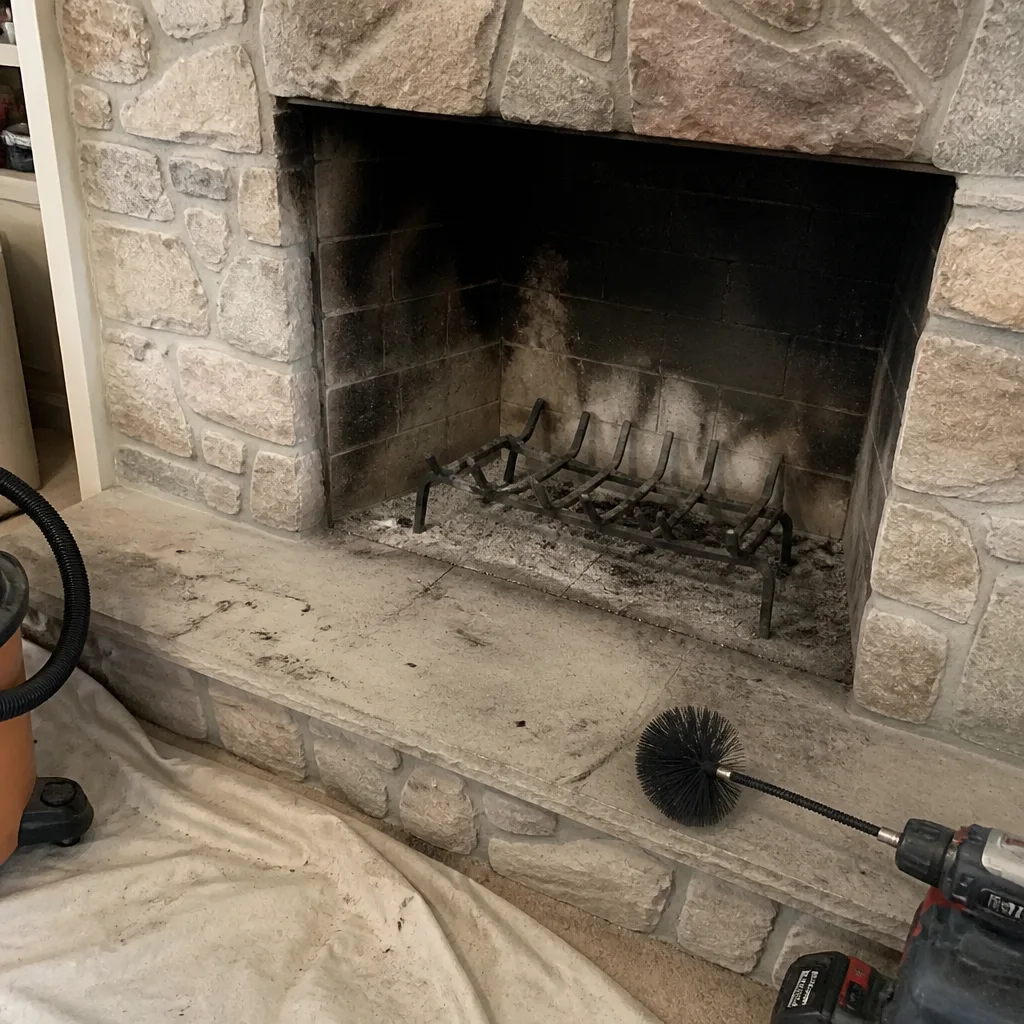 Before
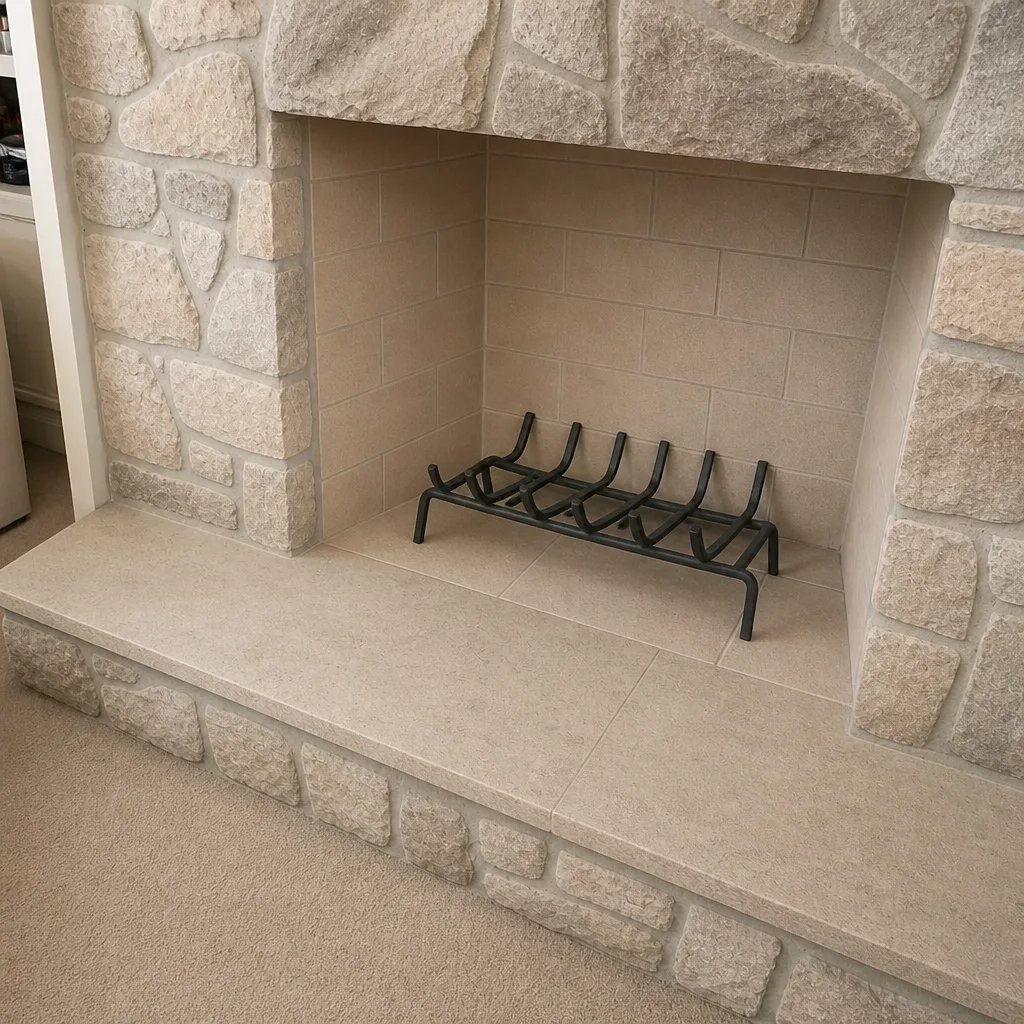 After
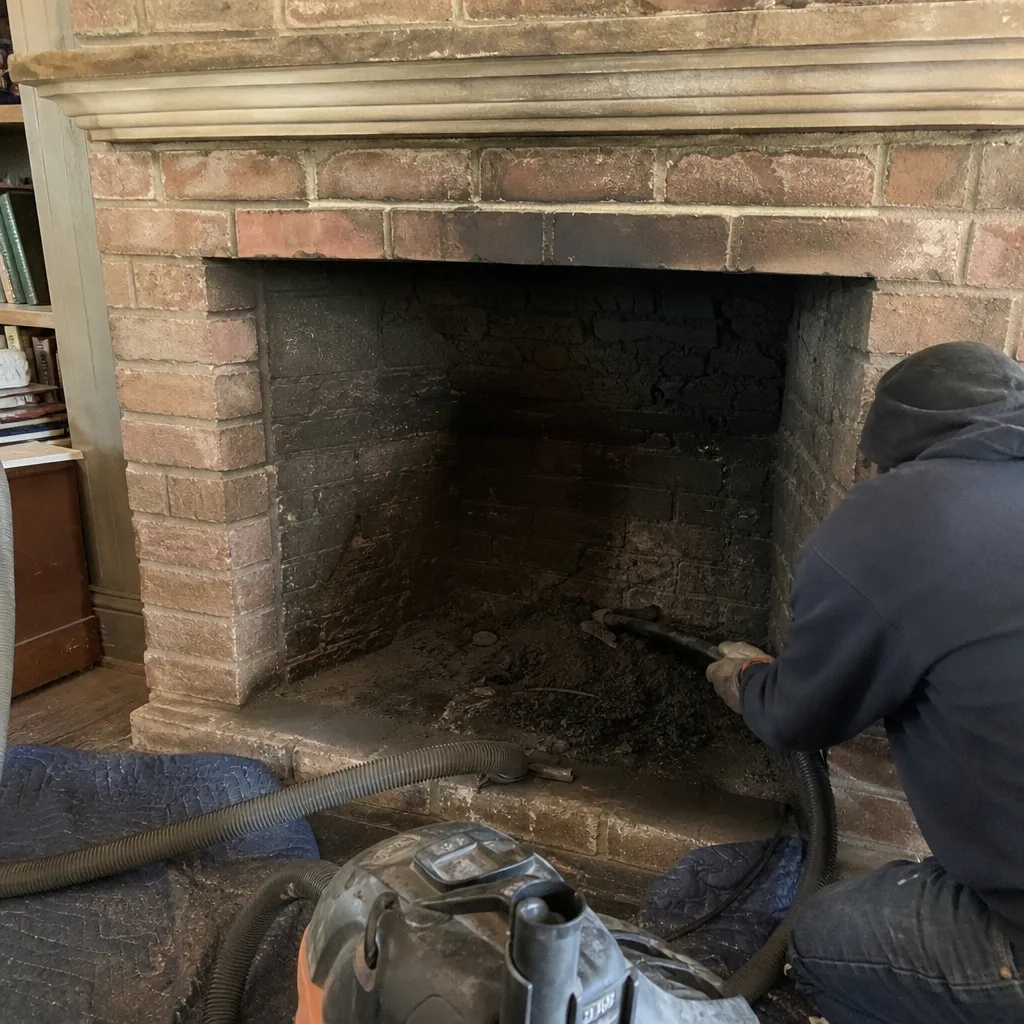 Before
 After
 Before
 After
When to Call a Professional
Call a professional when you’re not sure whether your job needs a permit, when a contractor has quoted a liner replacement without mentioning one, or when you’re buying or selling a home in Southlands and the chimney’s history isn’t documented. Call if you’ve had a chimney fire, even a small one, or if you’ve changed appliances since the last inspection. Call if the crown is cracking, the cap is missing, or water is getting into the firebox. And call before the season starts, not after something goes wrong, because most of what we find could have been caught earlier and at lower cost. Chimney Sweep Southlands offers free estimates in Southlands. Call (844) 443-4747. We answer 24/7, with fast dispatch from 7am to 7pm, Sunday through Friday. The visit starts with a camera inspection and a photo report, and the price is set per job by the written estimate. Our technicians have up to 14 years of experience.
Frequently Asked Questions
No. Routine chimney cleaning in Colorado is maintenance and requires no permit in Southlands or anywhere else in the state. The permit requirement begins when the work changes the system itself, such as a flue liner replacement, a rebuild, or an alteration to the venting path. If you’re not sure which side your job falls on, ask the contractor before scheduling.
In most cases yes. A liner replacement alters the venting system, which brings it into the permitting process under the local code that applies at your address. Whether that’s Arapahoe County or the City of Aurora depends on where in Southlands you live, so confirm the jurisdiction first. Call (844) 443-4747 for an exact quote. Estimates are free.
A Level 2 inspection is required after a chimney fire, after any change to the system such as a liner replacement or appliance swap, and at many real estate transactions. NFPA 211, the national standard the local code points to, defines those triggers. In Southlands, the real estate trigger is the one we see most often, especially when a prior liner replacement has no permit record.
A Level 1 inspection is a visual check of the accessible parts of the system under normal operating conditions. A Level 2 adds a video scan of the flue interior, plus a written report with photos, and it’s the inspection the standard calls for when the system has been changed or damaged. If a Level 1 raises questions the eye can’t answer, the standard calls for going to Level 2. Call (844) 443-4747 for an exact quote.
You’re the one exposed. If a liner is replaced without a permit, an insurance carrier can question coverage for a later loss, and a buyer’s home inspector will flag the work at resale. The contractor’s paperwork is not your protection; a permit and an inspection sign-off are. In Southlands, we build the permit step into the conversation before work begins.
Ask for the permit number once the job is scheduled, then call Arapahoe County or the City of Aurora building department, whichever has jurisdiction, and confirm it exists and matches the scope of work. The permit should be in the contractor’s name, and the final inspection sign-off should reach you when the work is done. It takes about ten minutes and it’s the best protection you have.
The Bottom Line
Cleaning your chimney in Southlands requires no permit. Repairing or altering it does. That’s the line to hold onto. A liner replacement, a rebuild, or any change to the venting system is construction work that should be permitted, inspected, and documented. Arapahoe County and the City of Aurora each layer their own amendments on the International Residential Code, and NFPA 211 is the technical standard behind both. A Level 2 inspection is the record of what’s inside the flue, and it’s the document a buyer or an insurance carrier will ask for. Before you book any chimney work in Southlands, ask whether a permit is part of it, and get the answer in writing. Call the team at Chimney Sweep Southlands at (844) 443-4747 for a free estimate.
Written by the team at Chimney Sweep Southlands.