
Last updated November 23, 2026
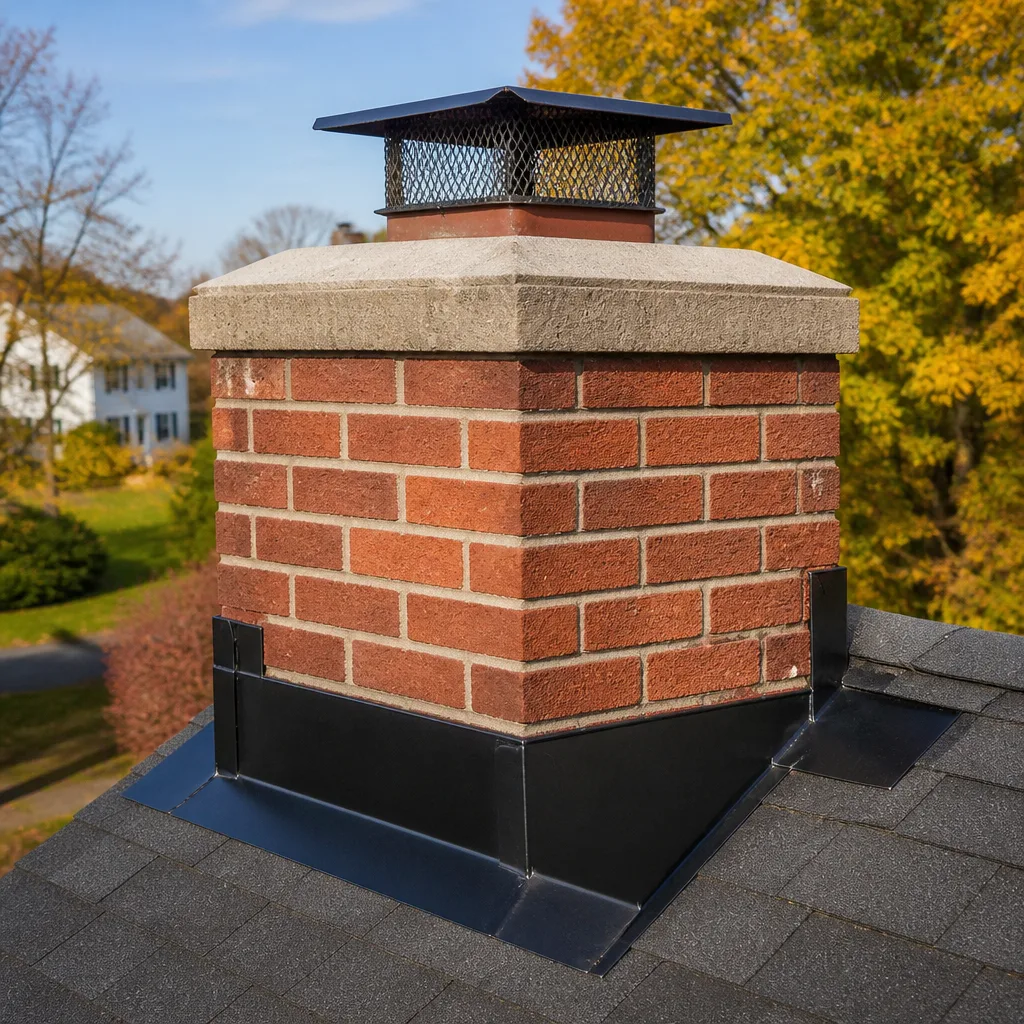 Sweep & inspection
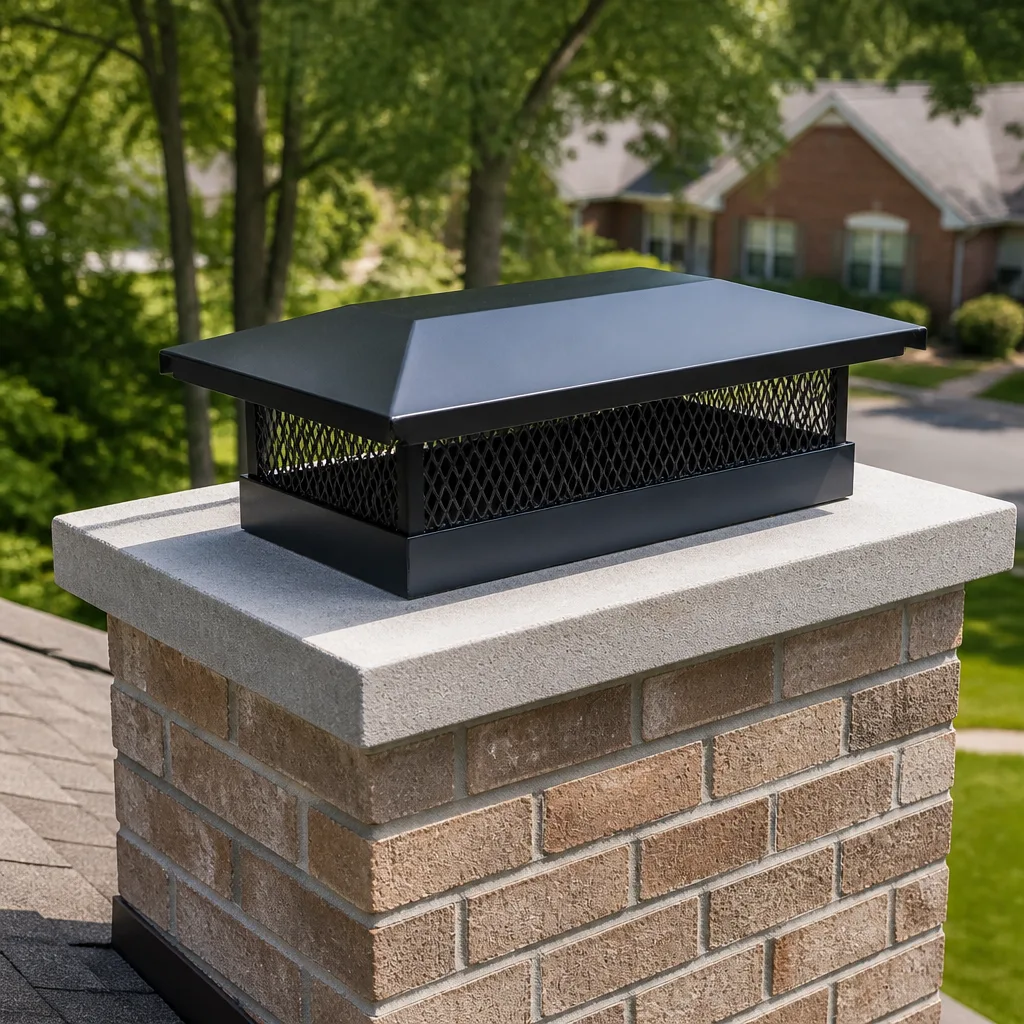 Caps & crowns
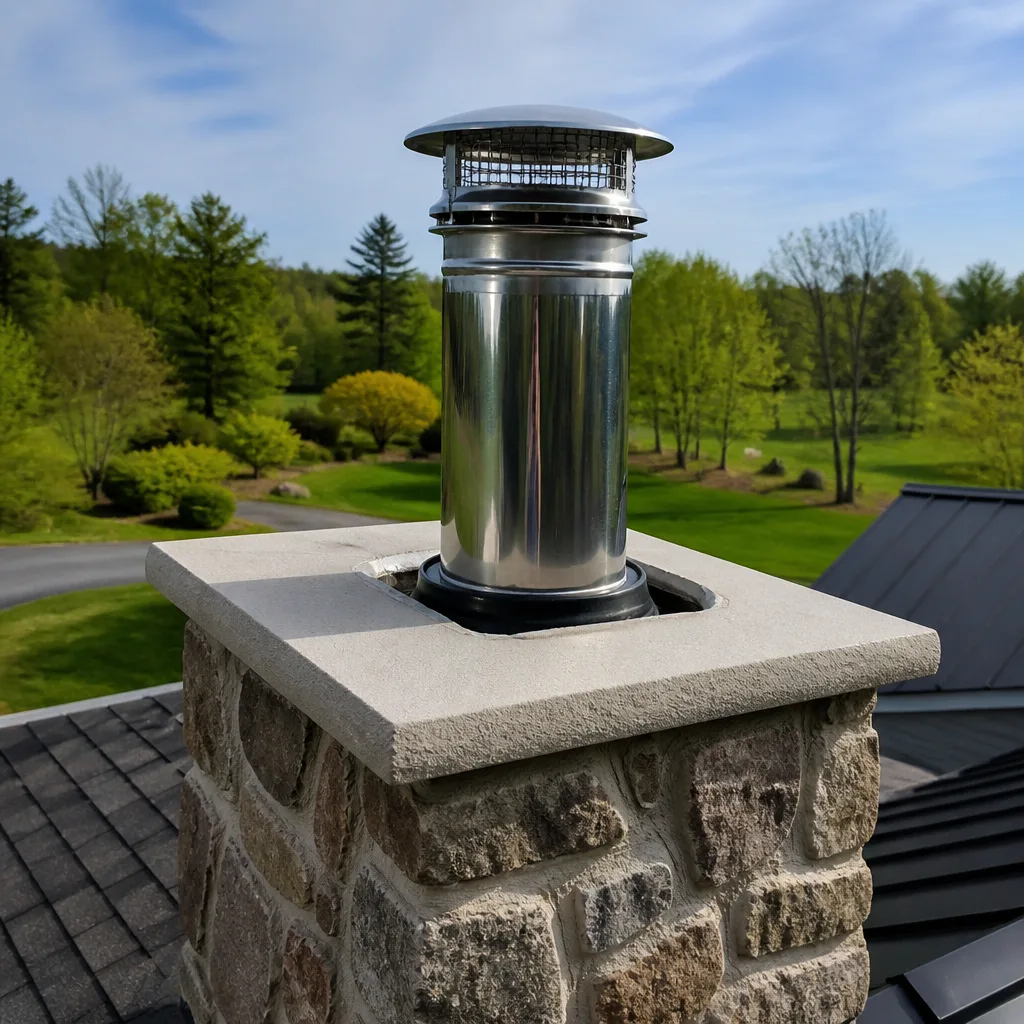 Flue relining
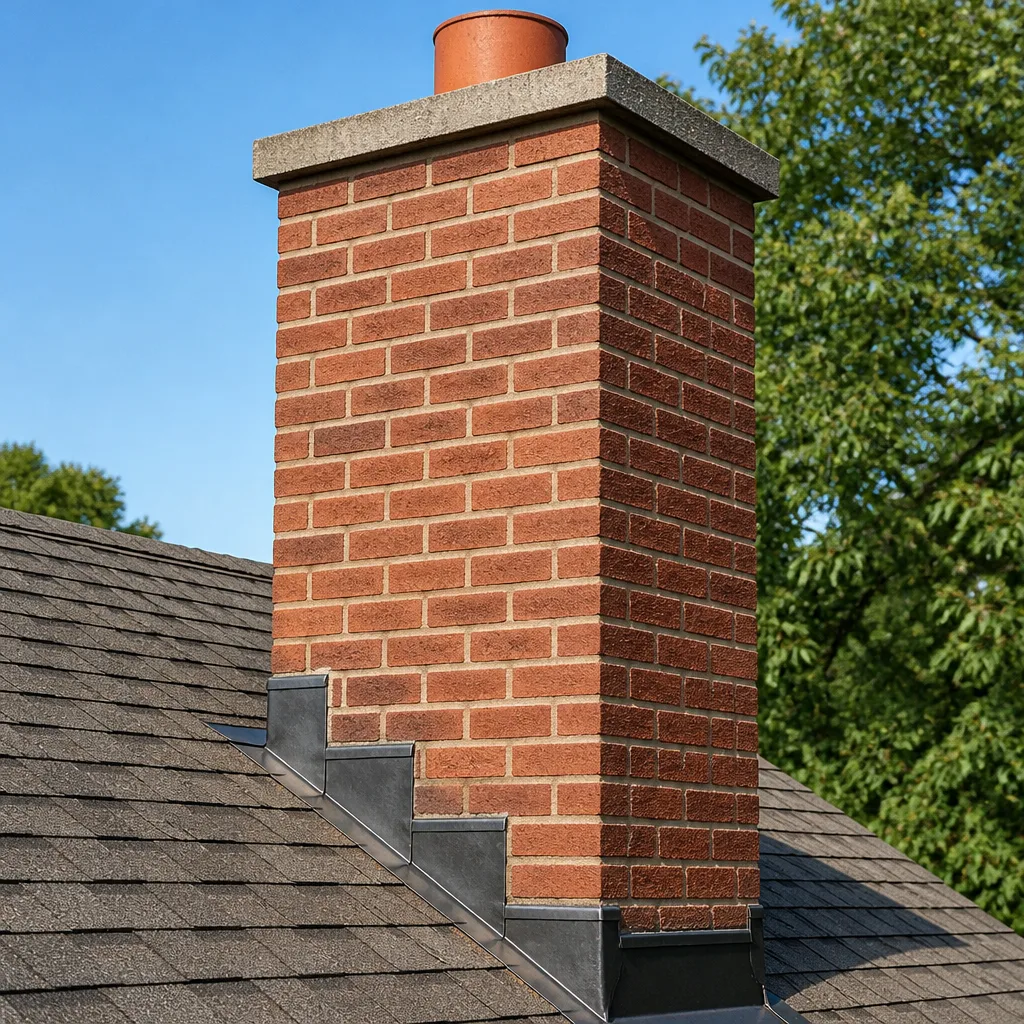 Masonry repair
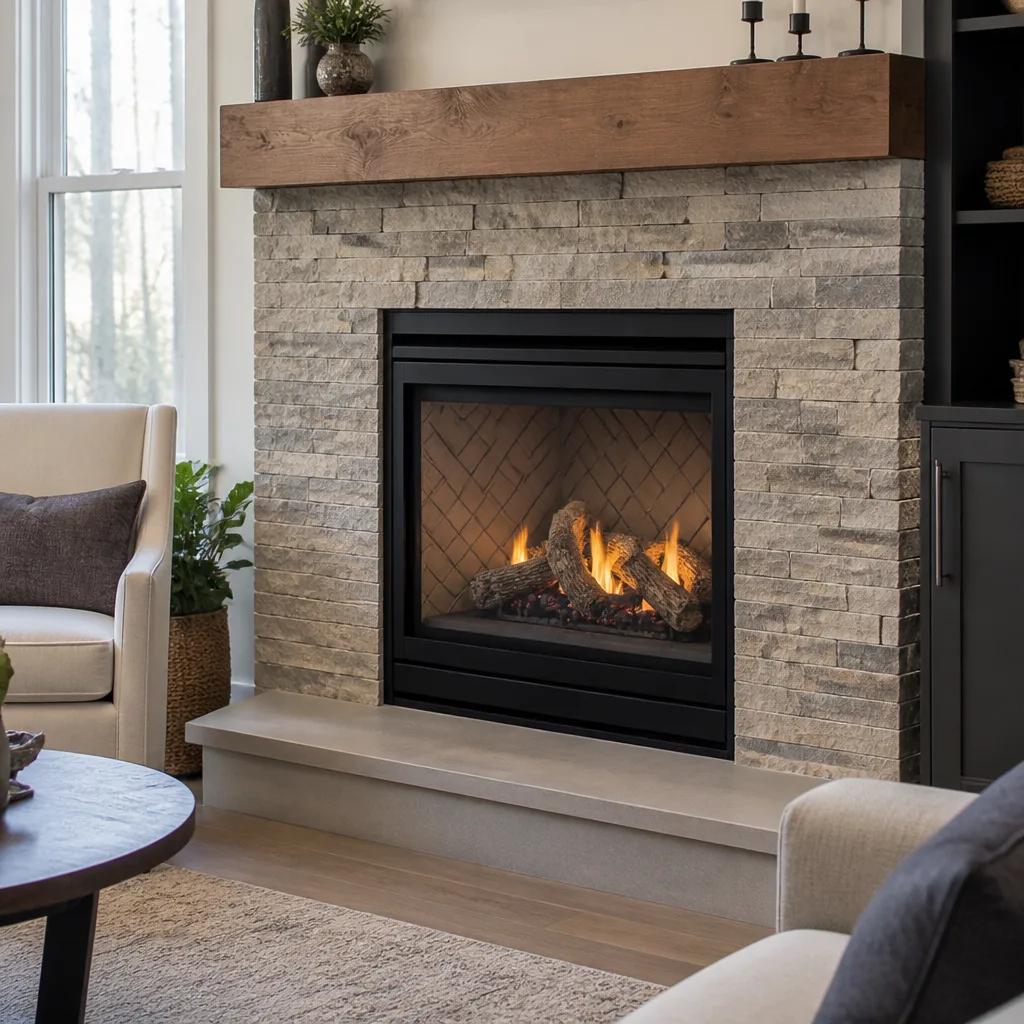 Gas fireplace service
Level 1 sweep and inspection to the NFPA 211 annual standard - flue, crown, cap, and flashing checked and photographed
Chimney sweep logs do not sweep chimneys. They loosen some creosote - which then falls where a brush and vacuum still have to collect it.
Chimney Cleaning Warning Signs: A Southlands Homeowner’s Reference Guide
A white stain on your chimney’s exterior isn’t a cosmetic issue. It’s efflorescence, and it means water is moving through your masonry right now, dissolving mortar from the inside out. Most chimney failures we’re called to look at in Southlands didn’t happen overnight. They announced themselves months earlier, usually in a form the homeowner walked past a hundred times without recognizing. That’s the gap this guide closes. By the end, you’ll know which sights, smells, and behaviors point to which mechanical problem, which ones are urgent, which ones can be watched, and exactly how to document what you’re seeing so a specialist can give you a straight preliminary read before anyone arrives.
Quick Answer
Chimney warning signs fall into five mechanical categories: moisture moving through masonry (efflorescence, spalling, rust), creosote accumulation (odor, smoke rollback, reduced draft), structural failure (crown cracks, mortar joint deterioration, flue tile displacement), blockage (animal nests, debris, collapsed tile), and liner degradation (visible cracks through the firebox, staining, performance changes). In Southlands, the most commonly missed warnings are freeze-thaw spalling and moisture damage from snow sitting on flat crowns, because our climate creates both repeatedly each winter. Any sign that brings creosote odor into living space or shows visible cracking at the crown warrants a professional inspection before you light another fire.
Styles & brands we work with
- Sweep & inspection
- Caps & crowns
- Flue relining
- Masonry repair
- Gas fireplace service
Table of Contents
- The Symptom-to-Cause Index: What You’re Looking At and Why
- Urgent vs. Monitor: Sorting Warnings by Real Risk
- Moisture, Masonry, and the Freeze-Thaw Pattern Unique to Southlands
- Odor, Smoke Rollback, and Draft Problems: Reading the Air
- Why Chimney Warnings Show Up in Other Rooms
- Colorado-Specific Warning Signs: Wildlife, Snow Load, and Dormant Seasons
- How to Photograph and Document Warning Signs Before You Call
- What a Professional Inspection Actually Looks For
The Symptom-to-Cause Index: What You’re Looking At and Why
Most homeowners describe signs, not causes. “There’s a stain on the brick,” or “the fireplace smokes when I open the door.” Our job as a chimney specialist is translating the sign into the mechanism behind it, because the mechanism is what determines whether the fix is a sweep, a crown repair, a resurfacing, or a liner. Here’s the index we use, in plain language. Use it as your first map.
- White, chalky staining on brick or mortar (efflorescence): water entering the masonry and pushing mineral salts to the surface as it dries. It doesn’t damage the brick itself, but it’s proof that water is moving through the wall, and that water is what deteriorates mortar over time.
- Flaking, powdery brick faces or mortar that crumbles when touched (spalling): the later stage of moisture damage. Freeze-thaw cycles force trapped water to expand, breaking the material apart from the inside.
- Brown or rust-colored staining below the cap or on the firebox surround: a failing cap, a cracked crown, or a rusting damper assembly letting water into the system.
- A dense, smoky, tar-like smell in the room, especially when it’s humid out: creosote buildup combined with backdraft. This is the strongest indoor warning sign of a system that needs attention before the next burn.
- Smoke spilling into the room when you open the firebox door: negative pressure, a partial blockage, or a draft reversal. Could be the chimney, could be the house. Either way it needs diagnosing.
- Visible cracking in the firebox or flue tiles when you look up with a flashlight: liner degradation. Cracked flue tiles are a pathway for heat and combustion gases to reach framing materials.
- A chimney that looks fine from the ground but leaks during heavy rain: usually the crown or the flashing, not the flue. Water intrusion most often happens at the top, not the sides.
Notice that every entry on that list has a physical explanation. Nothing here is a mystery, and nothing here is a reason to panic. It’s a reason to find out what you’re dealing with. When we perform a chimney sweep in Southlands, the sweep and the camera inspection together reveal which of these mechanisms is active in your system. The camera does the translating. You get to see the same footage we do.
Urgent vs. Monitor: Sorting Warnings by Real Risk
The single biggest mistake homeowners make with chimney warning signs is treating every one of them as equally urgent, or every one of them as equally ignorable. Both reactions cost you. Some signs are active hazards that mean stop burning. Some are conditions you document and watch over a season. Here’s how to tell the difference.
Treat these as urgent – stop burning and get an inspection:
- Creosote odor inside the living space, especially a strong tar-like smell when the weather turns humid. This means creosote is heavy enough to emit vapor and the system isn’t drafting it up and out.
- Visible cracks in the crown, or a crown that has clearly separated from the flue. Water is entering at the top and freeze-thaw will accelerate the damage through the winter.
- Visible damage to the liner, flue tiles, or firebox walls that you can see looking up with a flashlight. Heat and gases have a direct path to the structure.
- Smoke that rolls back into the room every time you light a fire, not just occasionally.
- Any sign of a chimney fire you suspect has already happened: a loud roaring noise during a burn, or puffy, honeycombed creosote visible in the flue.
Treat these as monitored conditions – track them, schedule an inspection when you can:
- Mild efflorescence that hasn’t changed in size over a season.
- A single hairline crack in the mortar of a joint, with no spalling around it.
- Occasional smoke rollback on windy days only.
- Light rust on a damper that otherwise opens and closes cleanly.
The distinction matters because it changes what you book. An urgent sign may need a camera inspection and structural assessment. A monitored sign may need a sweep and a written record of the current condition so you can compare next season. Call (844) 443-4747 and describe what you’re seeing – we’ll tell you which line your sign falls on before you book anything. We answer 24/7. Fast dispatch from 7am to 7pm, Sunday through Friday.
Moisture, Masonry, and the Freeze-Thaw Pattern Unique to Southlands
In Southlands, water is the slowest and most reliable of chimney killers. Brick and mortar are porous. They always have been. The question is whether water that enters can get back out before it freezes. Our climate gives it plenty of freeze-thaw opportunities between late fall and early spring, and each cycle ratchets the damage further. That’s why moisture warnings matter more here than in milder climates – the same crack that would sit quietly in a warmer region gets worked on repeatedly every winter.
Here’s how the pattern plays out, and what to look for:
- Crown damage. The crown is the concrete or mortar cap at the top of the chimney that sheds water away from the flue. A flat or shallow-slope crown is the most vulnerable configuration, because snow sits on it rather than sliding off. When the crown cracks, water enters the masonry directly above the flue, which is the worst possible location.
- Spalling brick faces. A brick face that flakes or pops off is showing you that freeze-thaw is actively breaking the masonry apart. Once spalling begins it doesn’t reverse itself. It tightens at the surface each winter and loosens a little more brick each spring.
- Efflorescence that returns. A one-time white bloom that doesn’t come back is likely residual salts from a past wetting. Efflorescence that reappears after cleaning means water is still actively entering.
- Deteriorated mortar joints. Mortar is the softer material by design – it’s meant to wear before the brick does. Recessed joints that look like they’ve been scraped out, or joints you can pull apart with a fingernail, need repointing before the next winter.
Two structural services do most of the water-protection work: the chimney cap & crown and correctly installed flashing. A cap keeps rain and animals out of the flue; the crown pushes water away from the masonry; flashing seals the roofline where the chimney penetrates. If your warning signs are all at the top of the chimney, that’s the direction a good inspection goes first.
Odor, Smoke Rollback, and Draft Problems: Reading the Air
Smell is the warning sign homeowners mention least and should mention most. A chimney that drafts correctly carries creosote vapor, smoke, and combustion gases up and out. A chimney that drafts poorly leaves a fraction of that behind. You smell the fraction. That smell is real information.
What each air sign means
- Tar-like, smoky odor in the room during warm or humid weather: creosote buildup significant enough to emit vapor. Humid air is heavier, so the chimney’s draft is weaker and the vapor settles into the room.
- Smoke rolling back when you open the firebox door: the chimney isn’t pulling enough air to overcome the negative pressure in the room. Common causes are a partial blockage, a firebox that’s too large for the flue, or a house that’s tight enough to need a makeup air source.
- Smoke that only rolls back on windy days: often a top-of-chimney issue – a missing or damaged cap, a flue that terminates too close to a roof feature, or a crown that has changed the shape of the outlet.
- A cold draft coming down the chimney when no fire is burning: normally just cool outside air settling into a warm house. Not dangerous, but if the flow is strong and steady, it can indicate that the damper isn’t seating.
In our experience, the most useful question to ask about a draft problem is not “is the chimney blocked?” but “when exactly does it happen?” Wind-only, humidity-only, and every-time patterns point to very different causes, and that makes the call easier to plan. We’ve seen fireplaces that needed nothing more than a cap repair, and we’ve seen fireplaces that needed fireplace repair because the damper assembly had warped. The air sign is the clue, not the conclusion.
Why Chimney Warnings Show Up in Other Rooms
Chimneys don’t announce themselves only in the room with the fireplace. Some of the most reliable warning signs appear in rooms that share the chimney chase, and a few show up in the HVAC system. This is where homeowners lose the thread – they see moisture in a bedroom ceiling and call a roofer, or they notice their HVAC running oddly and call an HVAC tech. The chimney gets missed.
Tracing a chimney problem from elsewhere in the house
- Start by finding the chase. The chimney has to travel from the firebox to the roof. Identify where it passes through walls, ceilings, and attic space. That path is where any interior symptoms will appear.
- Look for staining on ceilings and walls near the chase. A brown ring on a ceiling near the chimney is usually crown or flashing water intrusion, not a roof leak, even if it looks like one.
- Check the attic for damp insulation or rusted fasteners near the chimney penetration. Attic moisture around the chimney is one of the clearest early signs of failing flashing.
- Notice HVAC behavior during burns. If your HVAC system pulls return air from near the fireplace and the chimney drafts poorly, smoke and creosote vapor can enter the return and be distributed through the house. That’s a chimney problem with an HVAC symptom.
- Listen for new noises. A faint scraping or rustling coming from the chase, especially when the house is quiet, can mean an animal nest in the flue.
This is one of the reasons we treat the whole system rather than just the firebox. When we install a DuraFlex liner or use HeatShield resurfacing to address interior flue condition, we’re also assessing cap, crown, and flashing as part of the same visit. The room with the fireplace is only one part of the diagnostic picture.
Colorado-Specific Warning Signs: Wildlife, Snow Load, and Dormant Seasons
Chimneys in Southlands face a specific pattern of seasonal stress that you won’t find described in generic chimney guides. Recognizing these signs early saves a lot of repair years down the road.
Wildlife entry after the dormant season
Fireplaces in Southlands often sit idle from late spring until the first cold snap. In that window, the flue is an empty, sheltered vertical space, and animals treat it accordingly. Birds, squirrels, and sometimes larger mammals move in, build nests, and – in some cases – fall through into the firebox. Signs to look for:
- Scratching or fluttering sounds from the chase, especially in the morning.
- Nesting material (twigs, leaves, insulation fibers) sitting in the firebox when you open the damper for the first time in the season.
- A cap that’s been displaced or has visible damage on the top screen.
- An unusually strong draft or smokiness after a period of disuse – often a sign something in the flue has altered the airflow.
A properly installed cap is the most reliable prevention. If yours is missing, damaged, or was never meant for the flue size, a new chimney cap & crown is the first line of defense. We install caps made by brands like Gelco and Olympia Chimney specifically because they hold up to the seasonal cycle.
Snow-loading on flat crowns
Our snow isn’t extreme by national standards, but it sits on flat surfaces. A flat crown holds snowmelt against the top of the masonry longer than a sloped crown would, and that extended moisture contact is what cracks concrete and drives water into the flue. If your crown is flat and has hairline cracks in spring, the cracks will widen through the next winter freeze-thaw cycle. It’s not a matter of if, but when.
Freeze-thaw spalling patterns
Pay attention to which faces of your chimney spall first. Southlands chimneys often show spalling on the north and west faces before the others, which is where meltwater refreezes most slowly and lingers. If one face is spalling and the others aren’t, that’s a moisture direction clue and it tells an inspector where the water is entering.
How to Photograph and Document Warning Signs Before You Call
Documentation changes the conversation. When you can show us the specific stain, crack, or efflorescence bloom before we arrive, our preliminary assessment is far more useful – and often we can tell you whether the issue is urgent or monitored from the photos alone. Here’s how to capture what a professional needs.
The photo set we ask for
- Wide shot of the chimney from ground level. Get the entire chimney from roof penetration to cap in frame. This shows overall proportions, masonry condition, and whether the flashing seal looks intact.
- Close-up of the cap and crown. Step back enough to get the top in focus, but close enough to see cracks, spalling, or animal damage. Photograph all four sides if you can.
- Close-up of any stain or efflorescence. Include something for scale – a hand, or the full width of a brick – so we can judge size.
- Inside the firebox, looking up with a flashlight. Aim the flashlight straight up into the flue. A steady-handed photo from this angle often shows whether there’s visible tile cracking, creosote buildup, or a blockage.
- The firebox interior walls and damper assembly. Document any warping, rust, or visible cracking.
- Any interior stain, ceiling ring, or moisture spot. Get wide and close shots, and note which room and where in the room.
What to write down
Alongside the photos, note the following, in plain language:
- When you first noticed each sign, and whether it’s grown since.
- Weather conditions when the sign is most visible (rain, wind, humidity, cold).
- How the fireplace behaves during a burn – smoke pattern, smell, ease of lighting.
- The last time the chimney was swept or inspected, if you know.
- Whether the fireplace has been unused for a season or more.
Send the photos and notes to us at Chimney Sweep Southlands and we’ll give you a preliminary read before you book. That’s part of how the estimate stays honest: the written estimate is based on what we actually observe, not what we assume from a description.
What a Professional Inspection Actually Looks For
Warning signs tell you something is happening. An inspection tells you what. The two are different jobs, and understanding what happens on inspection day helps you ask better questions and trust the answers more.
The inspection, step by step
- Exterior assessment. We look at the cap, crown, flashing, masonry, and all visible penetrations, from ground level and from the roof as needed. We photograph each of these for your report.
- Firebox and damper check. Visual inspection of the firebox walls, the damper mechanism, and the smoke chamber and shelf.
- Camera inspection of the flue. A camera is sent the full length of the flue. It shows creosote levels, tile condition, offset patterns, and any obstruction. You’re given the footage to review – the same footage we’re working from.
- Sweep. Where the flue is safe to sweep, we sweep it with proper drop cloths and controlled vacuum, keeping the house clean.
- Written report. You get findings, photographs, and a written estimate for any recommended work. Recommended work is tied to what the camera shows, not to a checklist.
Where our materials fit
When the camera shows a liner problem, the fix depends on the flue condition. If resurfacing is a fit, HeatShield lets us restore the interior flue surface without a full liner replacement. We’re certified to apply HeatShield, and it’s a service many sweep-only companies cannot offer. When a full liner is the right answer, we install DuraFlex flexible liner systems – an industry standard for retrofitting existing masonry chimneys. Products from Gelco, Olympia Chimney, Famco, and Copperfield appear across the cap, crown, and component side of our work because those are the brands chimney specialists actually specify. And if we find an issue we can’t solve with what we do – a hidden structural problem, for example – we say so plainly. Our scope is chimney and fireplace systems from the firebox to the crown, and that’s where we hold the line.
Common Mistakes to Avoid
- Cleaning efflorescence off and assuming it’s solved. Efflorescence is a symptom. Cleaning the surface removes the evidence while leaving the water intrusion intact, and the bloom comes back next season.
- Assuming smoke rollback is “just how the fireplace works.” A properly sized and drafting chimney should not roll smoke into the room. Rollback is a mechanical signal, not a personality trait of the fireplace.
- Using the chimney after a suspected fire without inspection. A chimney fire can damage the liner without any exterior sign. If you heard a roaring noise during a burn, the chimney needs a camera inspection before the next fire.
- Leaving the flue uncovered through the off-season. In Southlands, an uncovered flue is an open invitation for wildlife nesting and water entry. A cap is one of the simplest protections you can install.
- Skipping the annual inspection because the chimney “still works.” The signs that matter most often come from the inside of the flue, where you can’t see without a camera. Function is not the same as condition.
- Hiring a sweep who only sweeps. Many companies can clear creosote but can’t diagnose liner condition, install a cap, repair a crown, or resurface a flue. If your warning sign turns out to have a structural cause, you don’t want to be handed off to a second contractor mid-project.
- Burning the first fire of the season before inspecting. Especially if the chimney sat dormant through summer. A quick check for nesting material and an interior camera look takes less time than dealing with a blockage failure mid-burn.
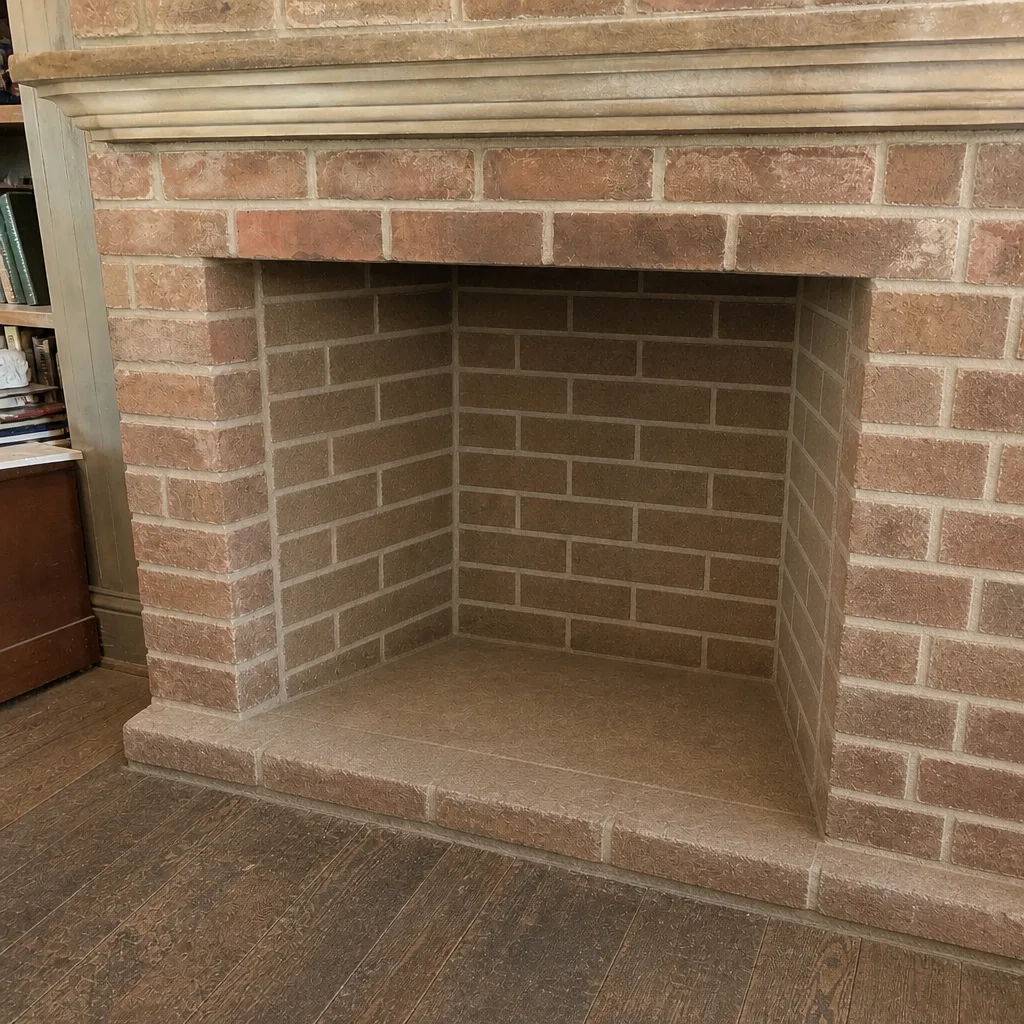
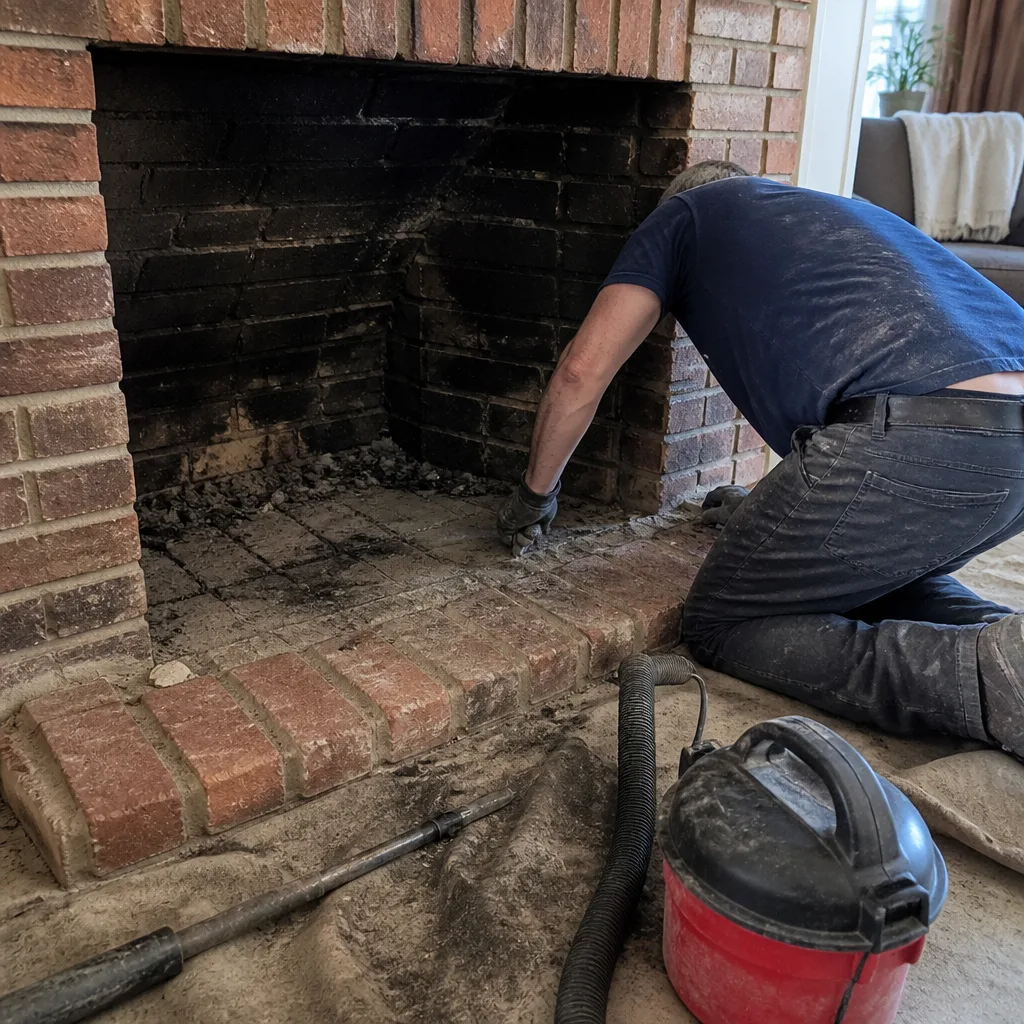
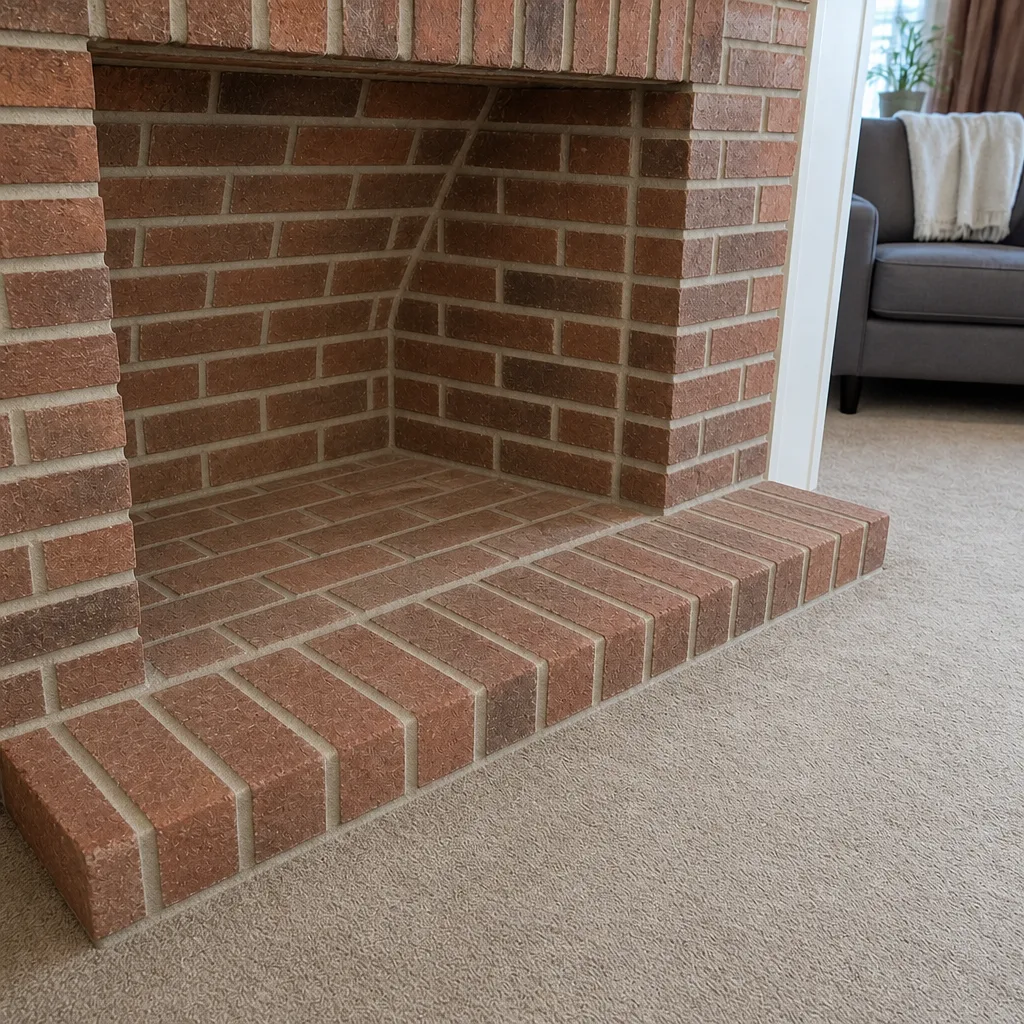
See the difference
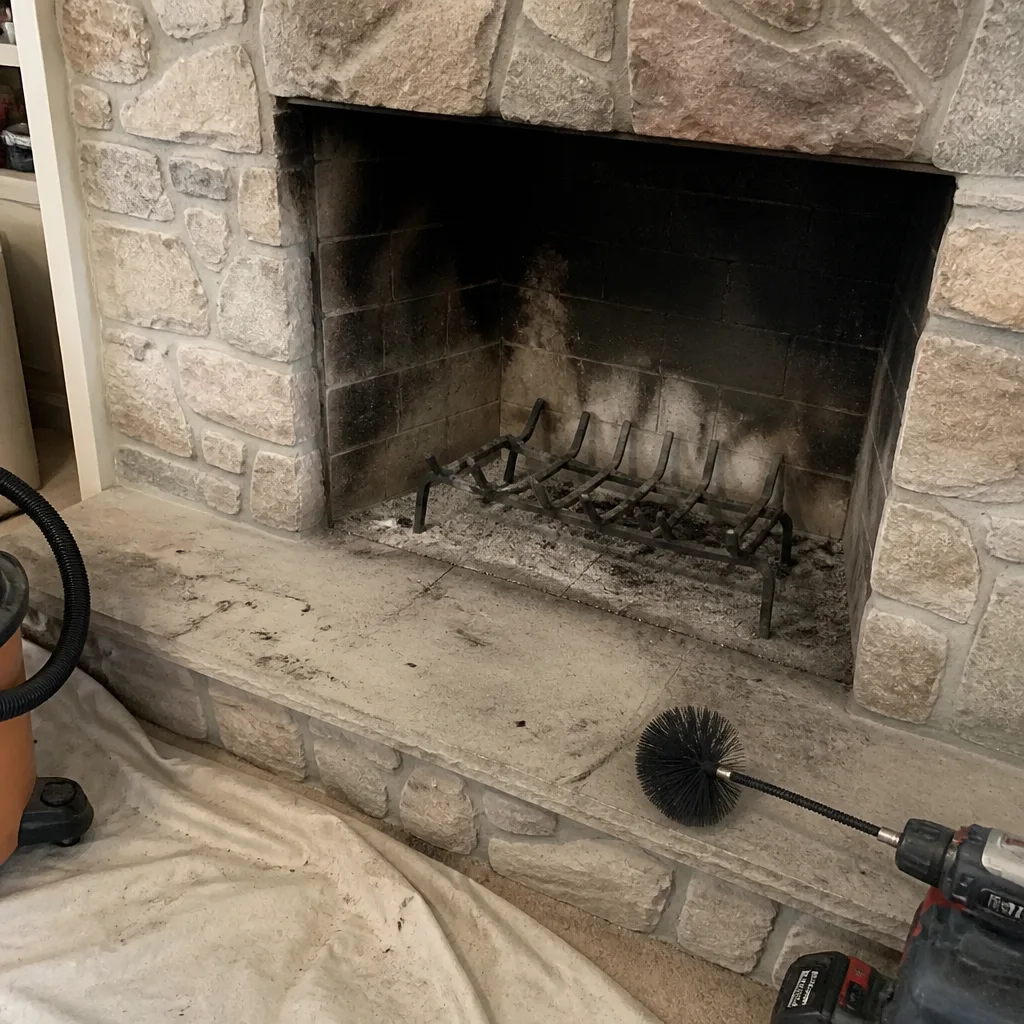 Before
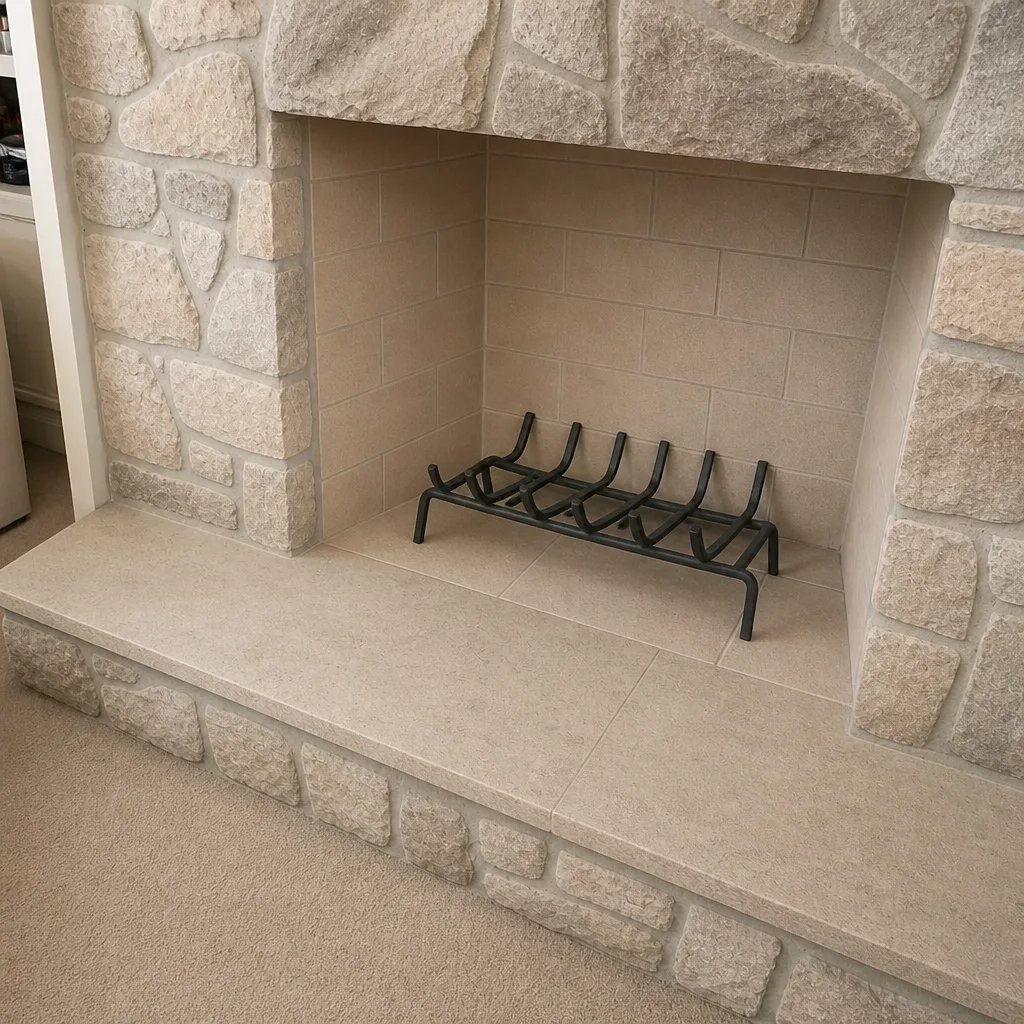 After
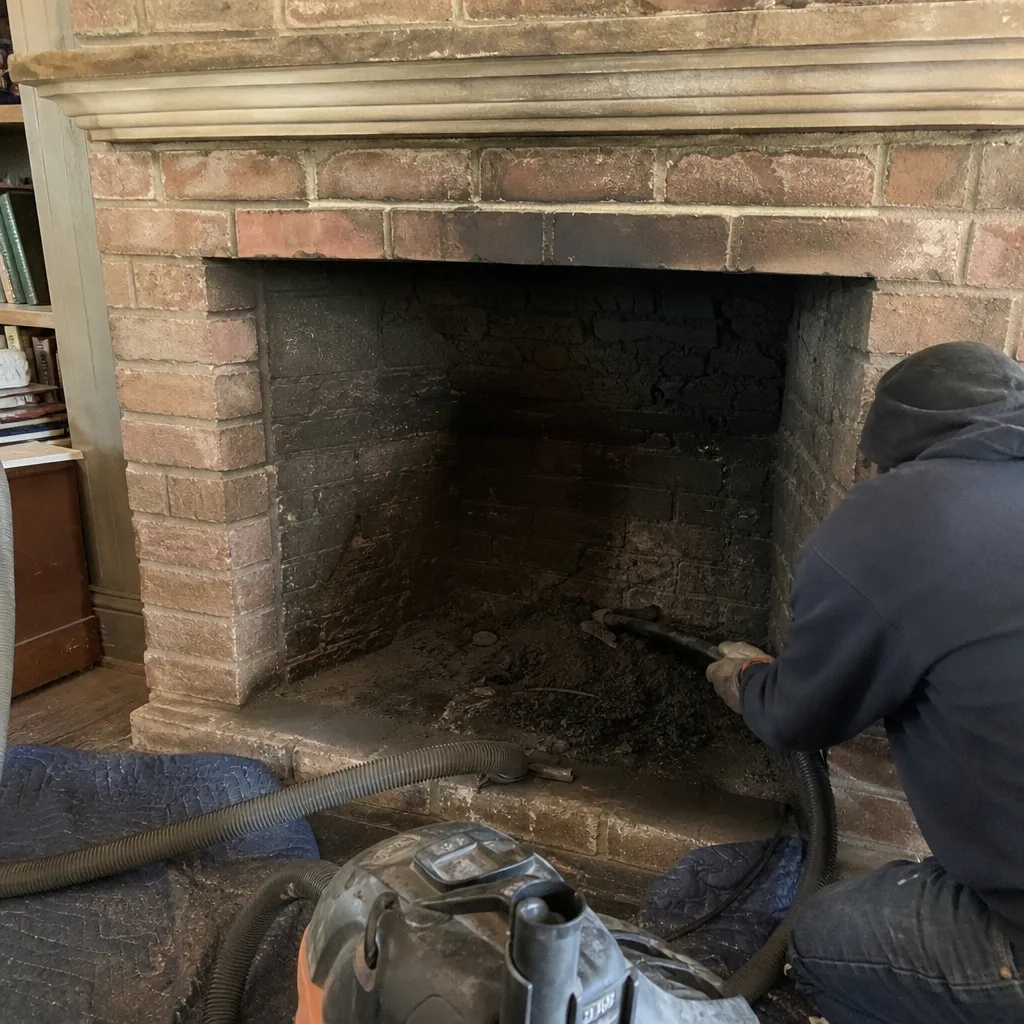 Before
 After
 Before
 After
When to Call a Professional
Some warning signs are worth documenting and watching. Others need a professional visit before your next fire. Call us if any of these apply: creosote odor inside the living space, smoke rollback that happens consistently, visible crown cracks or flashing damage, spalling brick or mortar that crumbles to the touch, animal sounds in the chase, a chimney that sat dormant through a season without a cap, or any suspicion that a chimney fire has occurred. Don’t climb onto your roof to check the crown – height work is genuinely dangerous and not something we recommend homeowners attempt. Our technicians have up to 14 years of experience reading these systems, and we work with an intentional roster of professional-grade brands – DuraFlex, HeatShield, Gelco, Olympia Chimney, Famco, and Copperfield – because the parts need to outlast the next Colorado winter. Chimney Sweep Southlands offers free estimates in Southlands – call (844) 443-4747. We answer 24/7. Fast dispatch from 7am to 7pm, Sunday through Friday.
Frequently Asked Questions
For most wood-burning fireplaces, an annual sweep and inspection is the standard, checked at the start of the burning season. In Southlands, the annual cadence also catches winter moisture damage before it becomes structural. Gas and multi-fuel appliances typically need a regular inspection as well, even if creosote isn’t the concern. If you burn regularly through the winter, don’t skip the annual sweep – the signs you can’t see are the ones that matter. Call (844) 443-4747 for an exact quote – estimates are free.
Efflorescence means water is moving through the masonry and pushing mineral salts to the surface as it dries. It’s not a cosmetic issue and it’s not damage in itself, but it’s proof that water intrusion is active. On a Southlands chimney, recurring efflorescence usually points to a crown, cap, or flashing issue at the top of the structure. Clean it and watch: if it returns in a season, that’s the sign to book an inspection. Call (844) 443-4747 for an exact quote – estimates are free.
Not always dangerous, but always worth diagnosing. Occasional smoke rollback on windy days can be a pressure or cap issue. Consistent smoke rollback every time you light a fire means the chimney isn’t drafting, which is a system problem and can be a sign of partial blockage or liner damage. In either case, it’s not a condition to live with. Call (844) 443-4747 for an exact quote – estimates are free.
You can sometimes see liner damage from inside the firebox, looking straight up with a flashlight. Visible tile cracking, missing mortar between tiles, or a buildup of glossy, puffy creosote are all indicators. Staining on the firebox surround can also mean the liner has been compromised. A camera inspection is the only reliable way to confirm – our sweep includes camera inspection and a photo report you can see for yourself. Call (844) 443-4747 for an exact quote – estimates are free.
It depends on the flue condition, and that’s decided by what the camera shows. HeatShield resurfacing can restore a flue that’s missing mortar joints or has hairline cracks in the tiles, without a full liner replacement, when conditions allow. A flue with structural damage, offsets that can’t be resurfaced, or a size that’s incompatible with the appliance typically needs a full liner, which we install using DuraFlex flexible liner systems. Nothing is recommended without camera evidence you can review. Call (844) 443-4747 for an exact quote – estimates are free.
Creosote accumulates, and thick creosote is the fuel for a chimney fire. In Southlands, the freeze-thaw cycle works on masonry every winter, so small crown cracks and mortar joint issues get worse, not better, when they’re not addressed. The visible signs often become structural repair jobs when they could have been routine repairs. None of that is a scare tactic – it’s just how these systems age. Book an inspection early in the season and the cost stays predictable. Call (844) 443-4747 for an exact quote – estimates are free.
The Bottom Line
Chimney warning signs are visible information, not mysteries. Efflorescence, spalling, creosote odor, smoke rollback, damaged crowns, visible liner cracking, and animal noise all point to specific mechanical causes you can understand and prioritize. The key skill is separating urgent signs – anything that puts creosote vapor into living space, or visible structural damage – from monitored conditions you can track over a season. In Southlands, moisture and freeze-thaw cycles are the dominant forces acting on a chimney, so pay particular attention to crown condition, flashing, and spalling brick faces. Photograph what you see, note the weather conditions, and send it to us before you book. Chimney Sweep Southlands handles the full system – sweep, inspection, fireplace repair, cap and crown, liner restoration – so nothing gets handed off mid-project. If a sign is showing in your chimney, we’d rather answer the question than have you guess. Call (844) 443-4747. We answer 24/7. Fast dispatch from 7am to 7pm, Sunday through Friday. Or start with our parent page at Chimney Sweep Southlands for the full range of services. Estimates are free, and the price is set per job by the written estimate you receive.
Written by the team at Chimney Sweep Southlands.