
Last updated November 23, 2026
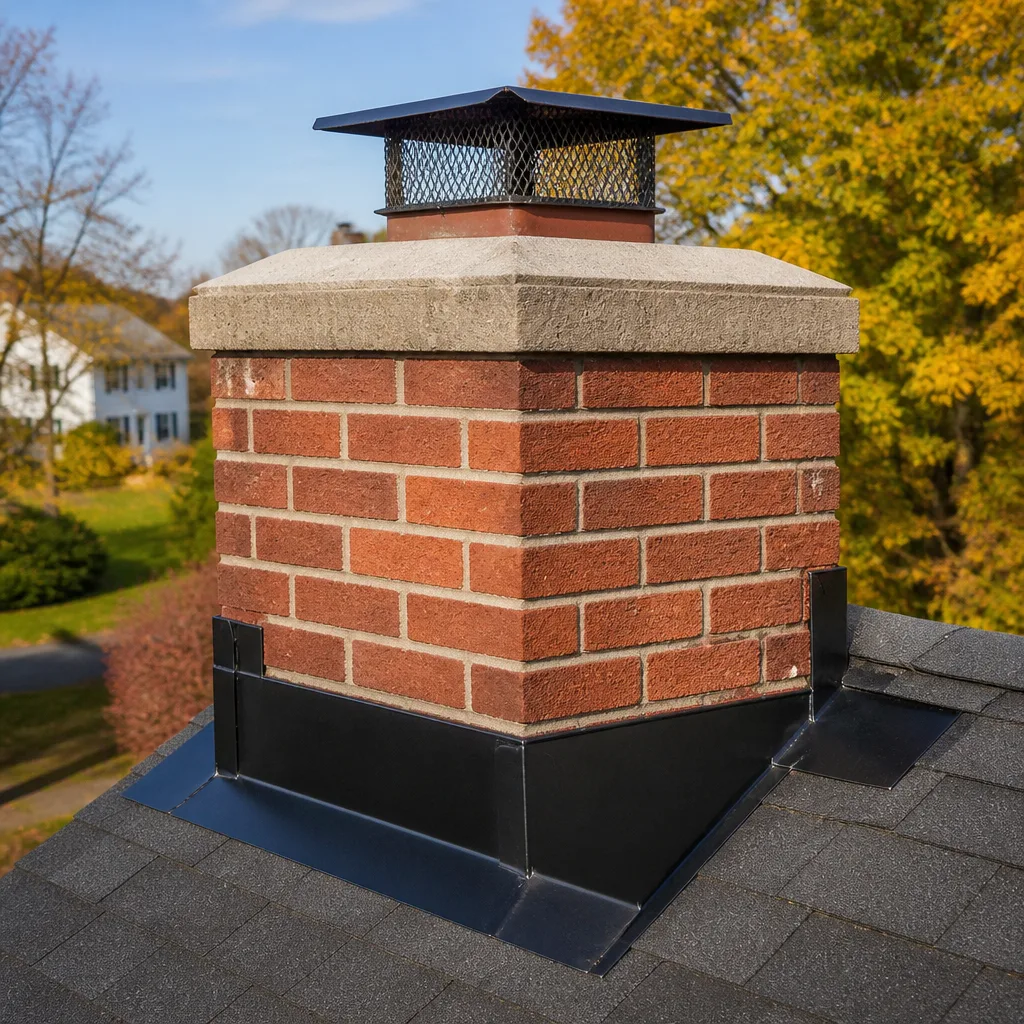 Sweep & inspection
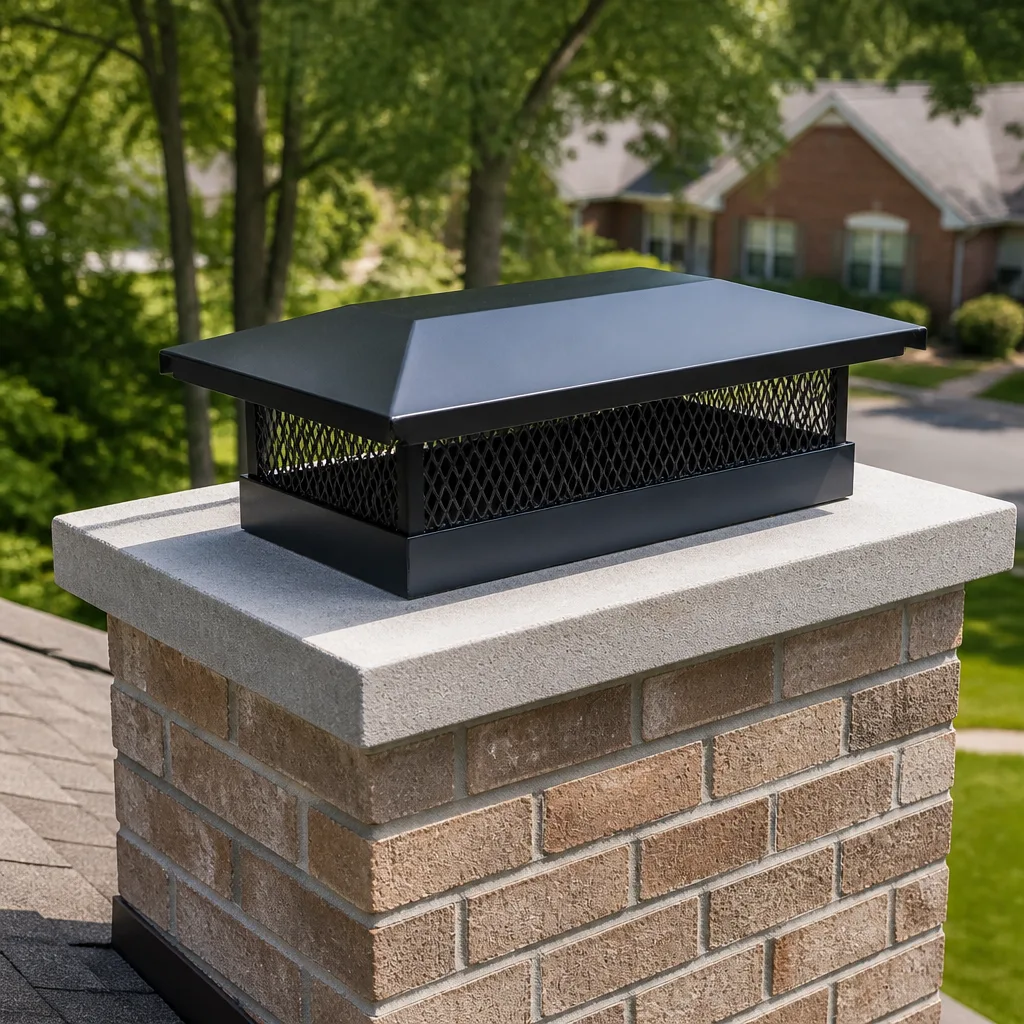 Caps & crowns
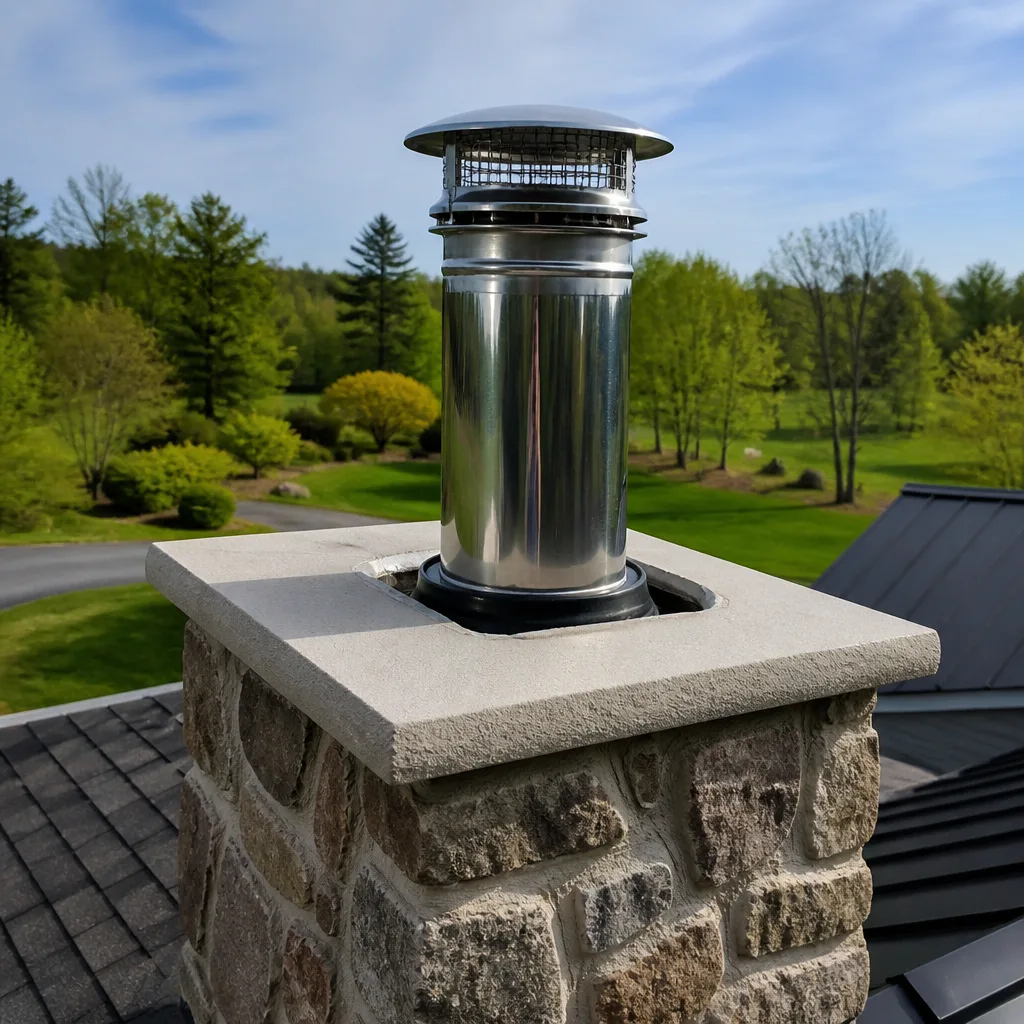 Flue relining
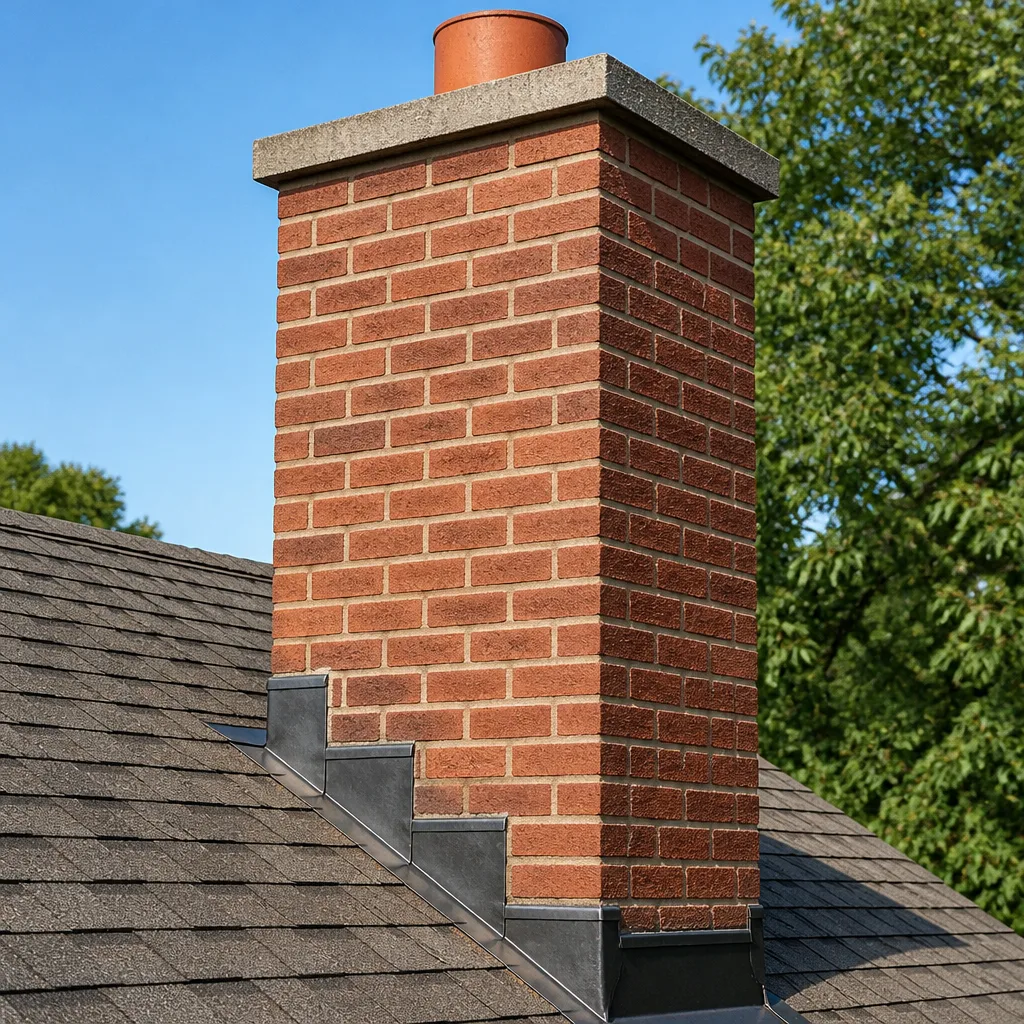 Masonry repair
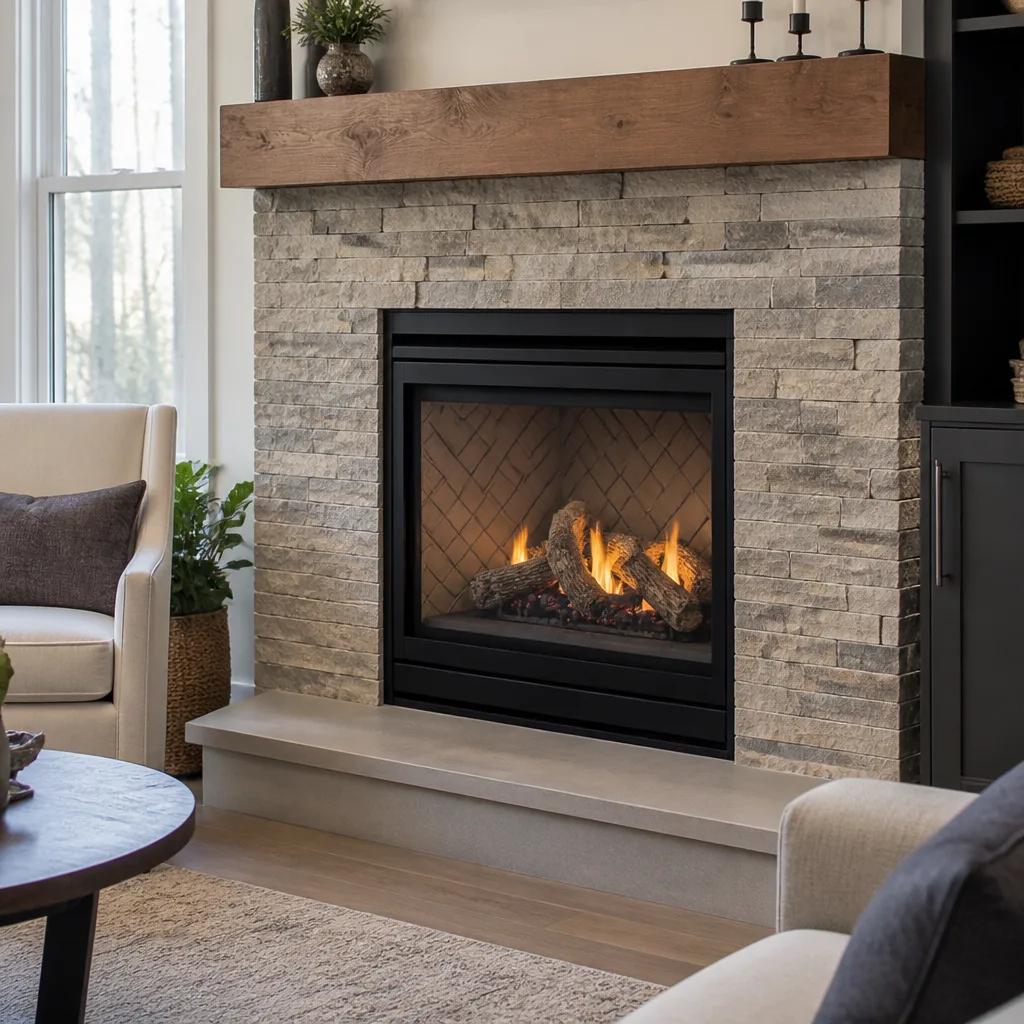 Gas fireplace service
Level 1 sweep and inspection to the NFPA 211 annual standard - flue, crown, cap, and flashing checked and photographed
Chimney sweep logs do not sweep chimneys. They loosen some creosote - which then falls where a brush and vacuum still have to collect it.
Chimney Cleaning Emergency Preparedness Guide for Southlands Homes
Most people picture a chimney fire as a roaring, roaring-inferno event with flames shooting from the top and a sound like a freight train. It can be. But slow-burning chimney fires happen at lower temperatures, often go completely undetected, and do just as much structural damage to the flue over time as the dramatic kind that rattles the flue pipe and draws neighbors outside. That gap between what a chimney fire looks like in the mind and what it often looks like in reality is exactly where homeowners get hurt. This guide is about the sequence that leads to a chimney emergency, the early signals that interrupt it, and the plan you should have in place before burn season starts in Southlands.
Quick Answer
A chimney emergency is rarely a single sudden event. It’s a chain of conditions that builds over a season or several seasons, and you can break that chain at any point if you know what to look for. The three things that matter most in Southlands are a completed sweep before your first fire, working carbon monoxide and smoke detectors placed correctly, and a Level 2 inspection after any suspected chimney fire before you light the fireplace again.
Styles & brands we work with
- Sweep & inspection
- Caps & crowns
- Flue relining
- Masonry repair
- Gas fireplace service
Table of Contents
- How Chimney Fires Actually Start
- How to Recognize a Chimney Fire in Progress
- The Correct Immediate Response to a Chimney Fire
- Carbon Monoxide Risk Specific to Chimney Systems
- What to Do After a Suspected Chimney Fire
- Your October Preparedness Checklist
- How Southlands Heating Conditions Affect Chimney Risk
- Common Mistakes to Avoid
How Chimney Fires Actually Start
A chimney fire needs three things: fuel, heat, and oxygen. The fuel in a chimney fire isn’t the wood in your firebox. It’s creosote, the tarry residue that condenses on the inside of the flue as smoke cools on its way up. Creosote builds up in stages, from a light soot film to a glazed, hardened crust, and the glazed stage is the dangerous one. When a hot fire throws sparks or flame high enough to reach that deposited creosote, it can ignite. This is why the fires that do the most damage often start in chimneys that haven’t been swept in a long time, even though the fireplace has been burning just fine all season.
Three conditions accelerate creosote buildup in Southlands homes. The first is burning unseasoned wood, which produces more smoke and more water vapor, both of which give creosote more to condense onto. The second is a cool flue, which happens when the fire burns low and slow and the exhaust doesn’t stay hot enough to carry smoke all the way out. The third is restricted draft, which can come from a partially blocked flue, an obstruction on top of the chimney, or a damper that isn’t opening fully. In our experience, a lot of Southlands homeowners are running all three at once without realizing it: wet wood, a smoldering fire, and a flue that’s been narrowing for a couple of years.
What Creosote Buildup Looks Like
- Stage 1: light, flaky soot that brushes off easily. Not yet a fire hazard, but a sign buildup is starting.
- Stage 2: a crusty, brittle layer of hardened creosote. Gets harder to remove the longer it sits.
- Stage 3: a glazed, tar-like coating that adheres to the flue walls. This is the stage most associated with chimney fires.
A professional chimney sweep is the only reliable way to know which stage you’re at. You can’t see the upper flue from the firebox, and the glazed stage is often invisible from the top of the chimney too.
How to Recognize a Chimney Fire in Progress
The dramatic signs are easy: flames or sparks shooting from the top of the chimney, a low rumbling sound like a far-off train or a jet passing overhead, a vibration you can feel through the wall. But the slow-burning chimney fire is the one that catches homeowners off guard, because it can burn for a long time with almost no obvious signs from outside. Here’s what a chimney fire actually looks and sounds like, and how to tell it apart from the normal noise of a fireplace settling in.
Sounds
- Normal: the crackle of wood popping, the low rush of draft, the tick of the metal firebox warming up.
- Not normal: a deep rumbling or roaring, a rhythmic tapping or buzzing you can hear from another room, a sound like a distant locomotive that gets louder over minutes.
Smells
- Normal: a light wood-smoke scent inside the room.
- Not normal: a sharp, hot, metallic or burning-hair smell inside the house, or a strong creosote smell that wasn’t there when the fire started.
Visual Signs
- Dense smoke pouring from the fireplace opening into the room
- A crackling or vibrating flue pipe if your chimney is metal
- Warped or glowing hot metal components
- Black smoke from the chimney cap during what should be a clean burn
- A fine dusting of black flakes or a sudden shower of creosote crumbs outside
Any one of these is a reason to act. You don’t need all of them.
The Correct Immediate Response to a Chimney Fire
The first response sequence is short and specific, and the mistakes people make in those few seconds are what turn a chimney fire into a house fire. The instinct to open the damper, splash water on the fire, or grab a tool to see what’s going on is wrong in almost every case. Here’s the sequence we want every Southlands homeowner to have memorized before the first fire of the season.
- Get everyone out of the house first. That includes pets. Do not stop to gather belongings.
- Call 911 from outside. A chimney fire can spread into the roof structure or attic, and the fire department needs to see it. Do not wait to see if the fire “settles down.”
- Do not open the damper or the firebox door. Both actions feed oxygen to a fire that’s already burning hot in the flue. The restricted air supply is working in your favor.
- Do not pour water into the firebox or down the flue. Water on a hot firebox or hot flue liner can cause severe thermal shock, cracking the liner or the masonry.
- Do not climb onto the roof. Chimney tops are steep, and a chimney fire is not the time to be working at height.
- Once the fire department has confirmed the fire is out, do not use the fireplace again until a Level 2 inspection has been completed. That’s covered in detail below.
Carbon Monoxide Risk Specific to Chimney Systems
Carbon monoxide risk in a chimney doesn’t announce itself. The conditions that produce CO are partial blockage and backdrafting, and both can be present while the fireplace appears to be working exactly the way it always has. The fire draws, the smoke goes up, the room stays comfortable, and the CO is slipping into living space through a path the homeowner can’t see. This is why a CO detector in the right spot is not a formality. It’s the only reliable early warning you’ll get.
Partial Blockage
A partial blockage is a narrowing of the flue, not a full stop. It can come from creosote buildup, a broken liner fragment, a bird or squirrel nest, or a damaged cap on top. With a partial blockage, smoke and combustion gases can’t move up and out fast enough, so the flue spills some of them back into the room at the weakest point. The fire may still look fine and may still draw well enough that the smoke doesn’t roll into the room. CO is a byproduct of burning wood, gas, and oil, and it’s odorless, so a chimney that seems to be drawing can still be pushing CO into the home.
Backdrafting
Backdrafting happens when pressure inside the house is lower than the pressure at the chimney top, and the chimney pulls air down instead of pushing it up. Tight weather-sealed houses are prone to it. Exhaust fans in the kitchen or bathroom, a clothes dryer, or another appliance vented to the same space can all create the pressure imbalance. A backdrafting chimney can spill CO into the house on an otherwise normal burn. In our experience, this is more common in Southlands homes than most people would guess, and it’s one reason a proper inspection looks at the whole system, not just the flue interior.
CO Detector Placement
- One on every level of the home, including the basement
- One in the sleeping area, outside the bedrooms, so it wakes the household
- One in any room with a fuel-burning appliance
Follow the manufacturer’s instructions on mounting height, and test each unit at the start of the season.
What to Do After a Suspected Chimney Fire
After the fire department has cleared the scene, many homeowners make the mistake of thinking the danger is over. It isn’t. A chimney fire can leave the flue liner cracked, the masonry joints compromised, or the crown damaged, and none of that is visible from the firebox. That’s why a Level 2 inspection after a suspected chimney fire is not optional. It’s the step that tells you whether the system you’re about to use again is still structurally sound.
Why Level 2 and Not Level 1
A Level 1 inspection is a visual check of accessible parts of the system, appropriate for an annual maintenance visit when nothing has changed. A Level 2 inspection is more thorough. It includes a camera inspection of the flue interior, and it looks at accessible parts of the chimney, the connector, and the surrounding structure. After a chimney fire, you need to know whether there is a crack, a gap, or a shifted liner section hidden inside the flue, and that’s what the camera tells you. A Level 1 won’t find it.
What the Inspection Is Looking For
- Cracks or gaps in the flue liner, including hairline cracks in clay tiles
- Warping or separation in a metal liner, if you have one
- Damage to the masonry at the joints, especially near the roofline
- Distorted or heat-damaged components in the firebox
- Cap and crown damage from heat, including cracked crown masonry
- Obstructions that were loosened by the heat and may have dropped into the flue
If the inspection finds damage, the fix ranges from targeted repair to liner restoration, depending on what’s actually there. We use HeatShield resurfacing as an alternative to full liner replacement when the flue is structurally sound enough to support it, and DuraFlex flexible liner systems when replacement is the right call. Both are professional-grade products from brands chimney specialists specify, not commodity parts. The important part is that the decision is based on camera evidence you can see for yourself before anything is recommended.
Your October Preparedness Checklist
The most reliable way to reduce your response time in a chimney emergency is to have the work done before burn season. In Southlands, that means October. Conditions are mild enough to get on the roof, the burning season hasn’t started, and any repair that comes up can be completed before you need the fireplace. Here’s the checklist we recommend every Southlands homeowner works through in October, in order.
- Book your annual sweep. Get the creosote out before the first fire. If you had a lot of buildup last season, schedule a follow-up sweep mid-season too.
- Schedule the annual inspection at the same visit as the sweep. A sweep is cleaning. An inspection is the assessment of the whole system, including the cap, crown, and accessible structure. Do both.
- Check the cap and crown. A cracked crown or a loose cap is the two most common point of water intrusion on a chimney. Water damage degrades masonry, and degraded masonry cracks under thermal stress.
- Test every smoke detector and every carbon monoxide detector. Replace the batteries. Confirm placement against the list in the CO section above.
- Look at the roof line. Loose flashing, missing cap sections, or a leaning chimney are all things to flag now, not in January.
- Confirm your wood supply is seasoned. Wood should be split, stacked, and covered for a full season before burning. Wet wood produces more creosote.
- Save the emergency contact. Put our number, (844) 443-4747, in your phone now, so you’re not looking it up during a chimney fire.
- Do a dry run. Walk the household through the response sequence in this guide. Everyone should know what to do if the detectors go off or the flue pipe starts rumbling.
If you haven’t had a sweep and inspection yet this season, that’s the first item. It’s also the one that makes the rest of the checklist more meaningful, because a clean, inspected chimney is the baseline for everything else.
How Southlands Heating Conditions Affect Chimney Risk
Chimneys behave differently depending on where you are. Temperature swings, altitude, and how a home is heated all influence how a flue drafts and how creosote deposits form. Southlands has a burn season that runs long, which means more hours of creosote accumulation per season than in climates with shorter winters. Homeowners tend to stretch a fire into spring and start it again early in fall, and that ongoing mild-weather burning produces the cool, smoldering fires that lay down glazed creosote. That’s why a mid-season sweep is worth considering in Southlands if you’re burning steadily.
Masonry chimneys hold onto heat differently than metal liners. A masonry chimney warmed up by a long fire is more forgiving, but it also cools more slowly, and the cooling cycles put stress on the joints and the crown. That stress shows up as hairline cracks that widen over years of freeze-thaw cycles. The chimney cap & crown is the first line of defense. A properly fitted cap keeps rain, snow, and animals out, and a crown in good condition keeps water from getting into the masonry from the top. When those two are compromised, everything below them starts to degrade.
The takeaway: a Southlands chimney tends to be a heavier creosote producer and a slower-burning cooling risk than a chimney in a short-season climate. Both of those raise the value of a pre-season sweep and a thorough cap and crown inspection in October.
Common Mistakes to Avoid
- Assuming it couldn’t have been a chimney fire because it didn’t sound like one. Slow-burning chimney fires are often silent. If you smelled something sharp and hot from inside the house, treat it as a possible chimney fire and get an inspection regardless of what it sounded like.
- Opening the damper to “let the smoke out” during a chimney fire. This feeds the fire oxygen and can turn a flue fire into a structure fire. Keep the firebox door closed and the damper as it is.
- Lighting the fireplace again the next day after a suspected chimney fire without an inspection. The flue could be cracked from thermal shock, and you won’t see it. Level 2 inspection first, every time.
- Skipping the mid-season sweep in a long Southlands burn season. Creosote builds faster than the once-a-year schedule accounts for in homes that burn steadily from October through March. If you’re using the fireplace heavily, get a second sweep.
- Relying on a CO detector without testing it. An untested detector is silent whether it’s working or not. Test at the start of the season and replace the batteries even if the unit seems fine.
- Treating the cap and crown as cosmetic. They are the two most common entry points for water. Water in the masonry leads to cracked joints, and cracked joints become structural failures.
- Burning wet or unseasoned wood “because it’s what’s available.” Wet wood does burn, but it produces more smoke and more creosote, and it raises the deposit stage much faster. Season it before you burn it.
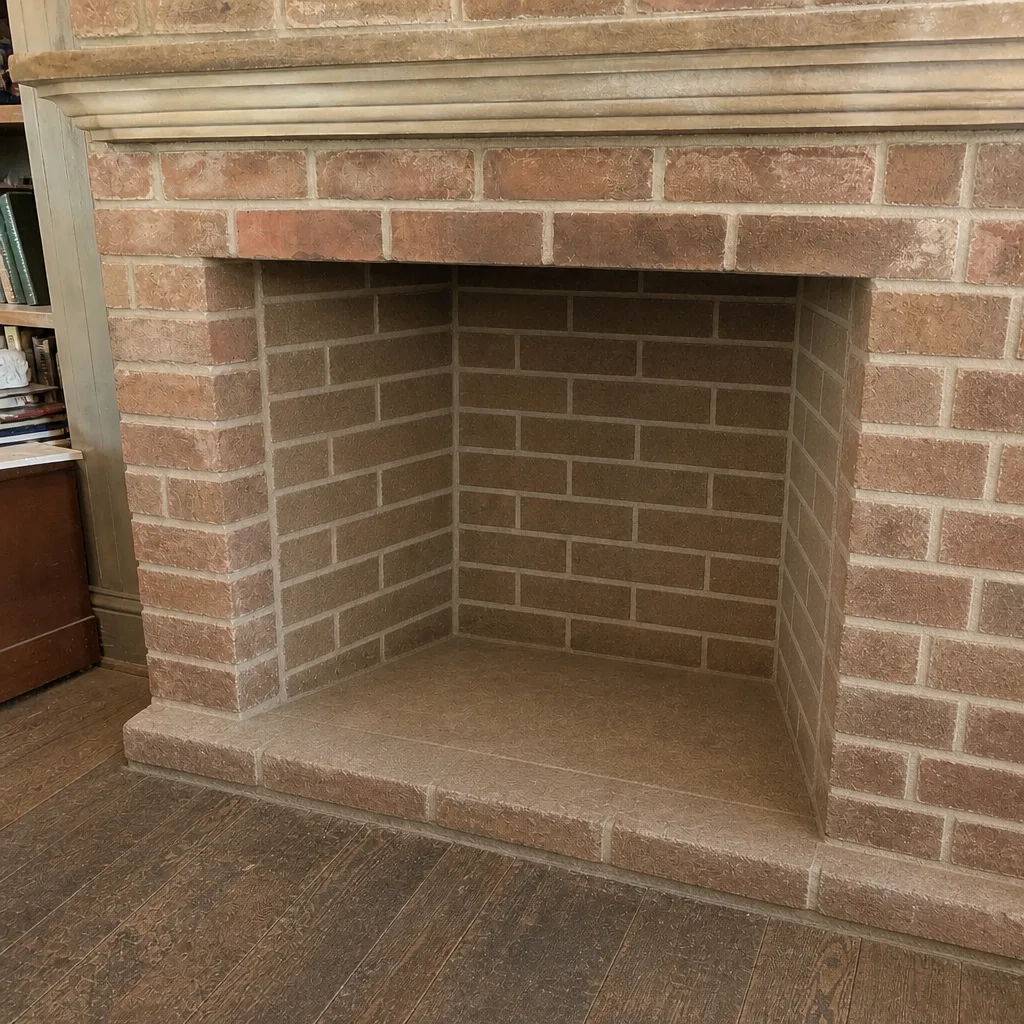
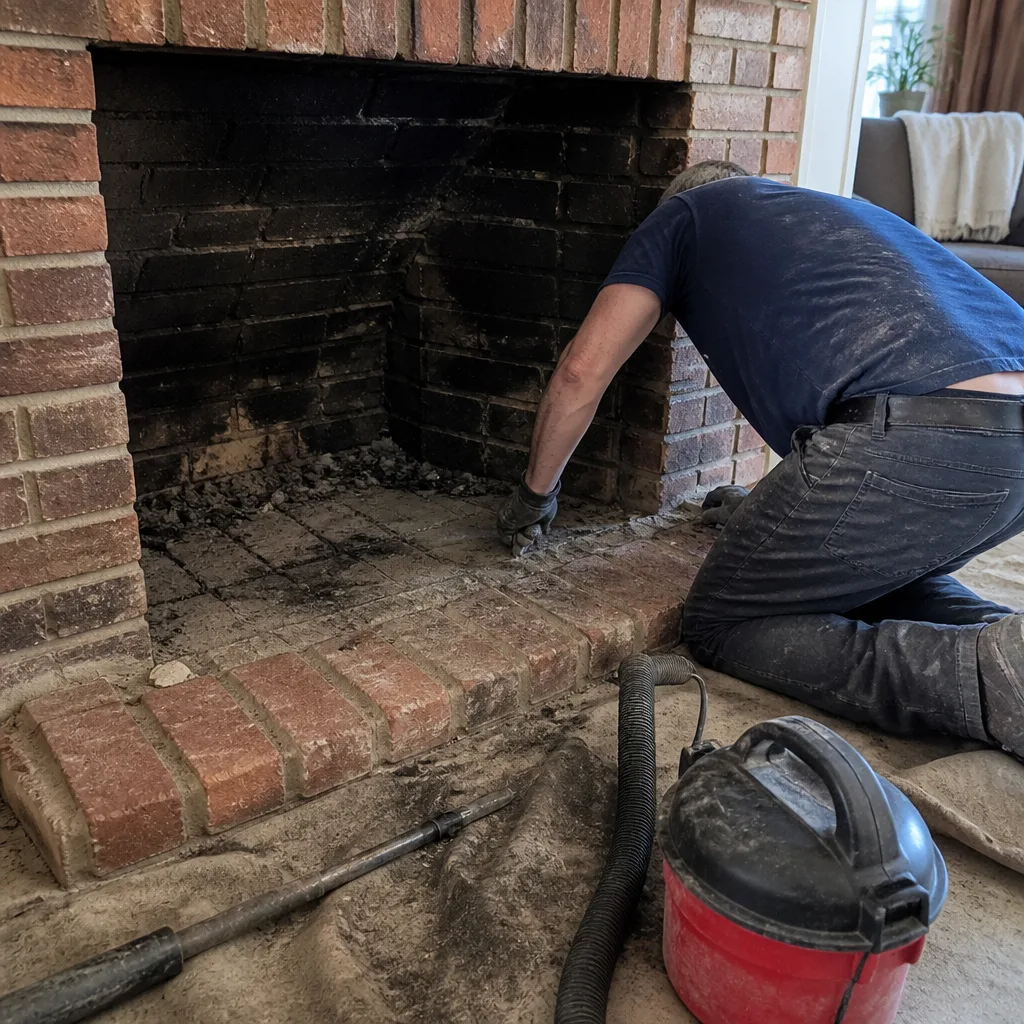
See the difference
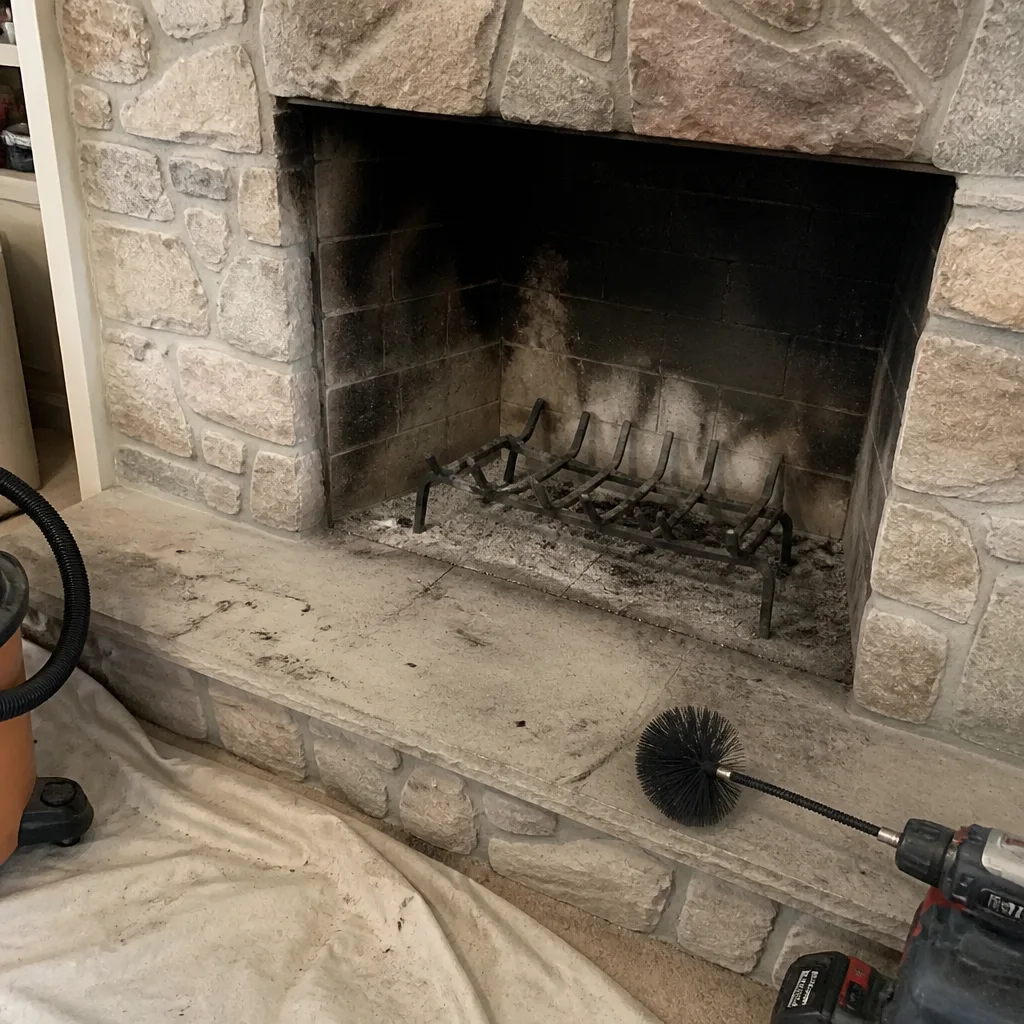 Before
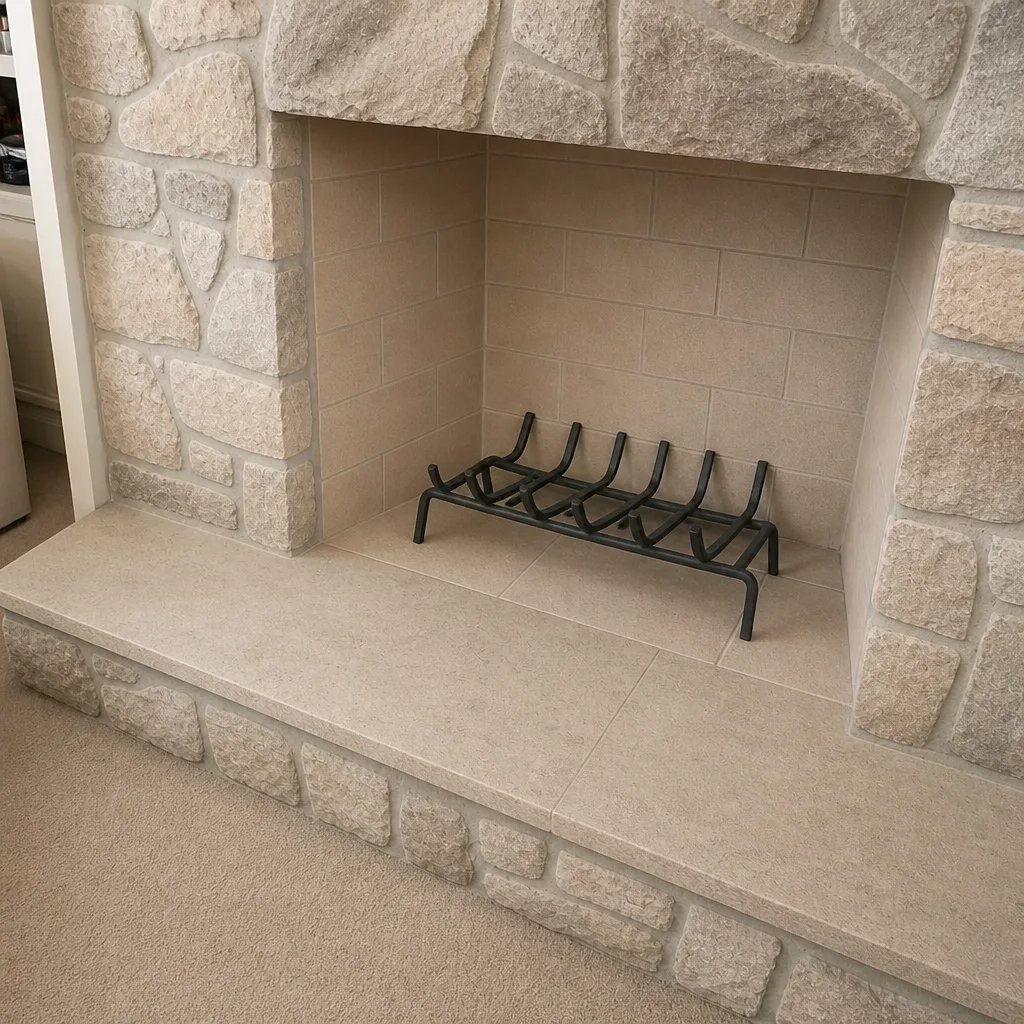 After
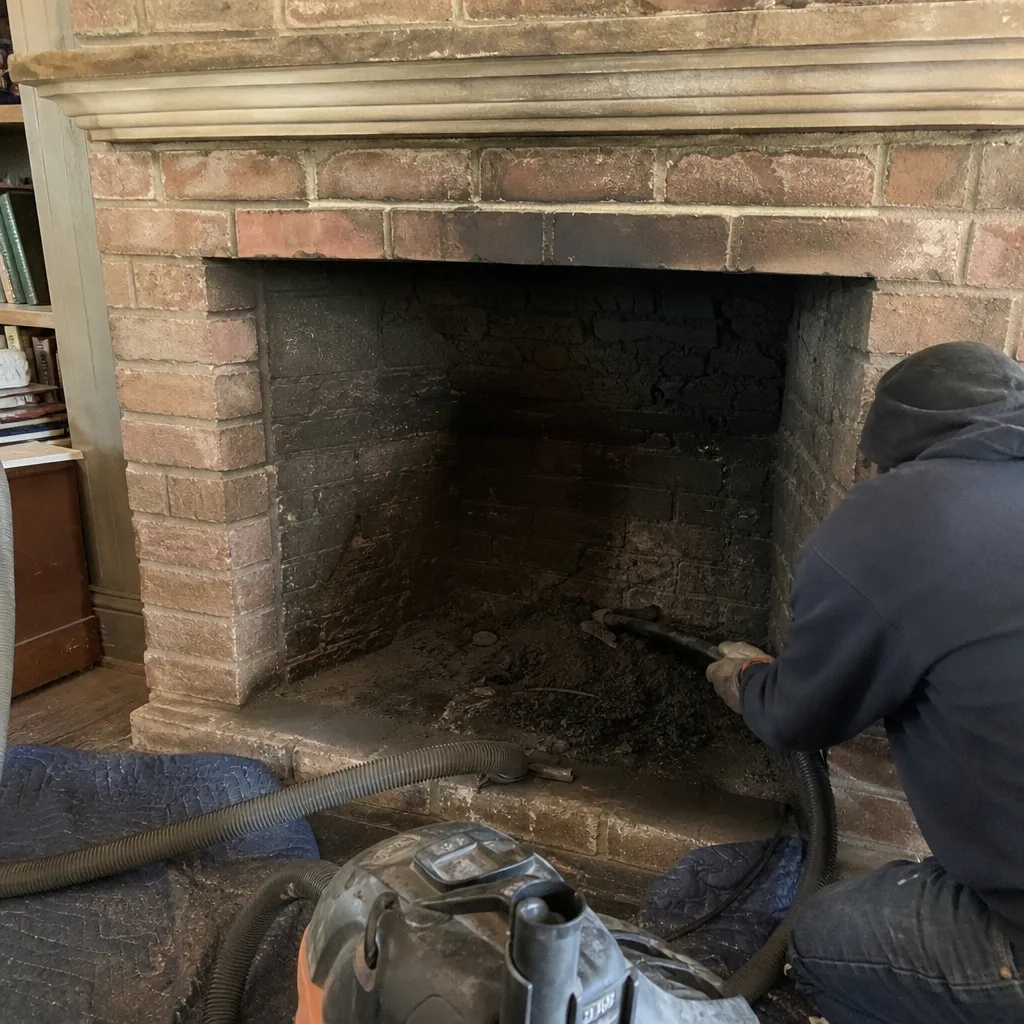 Before
 After
 Before
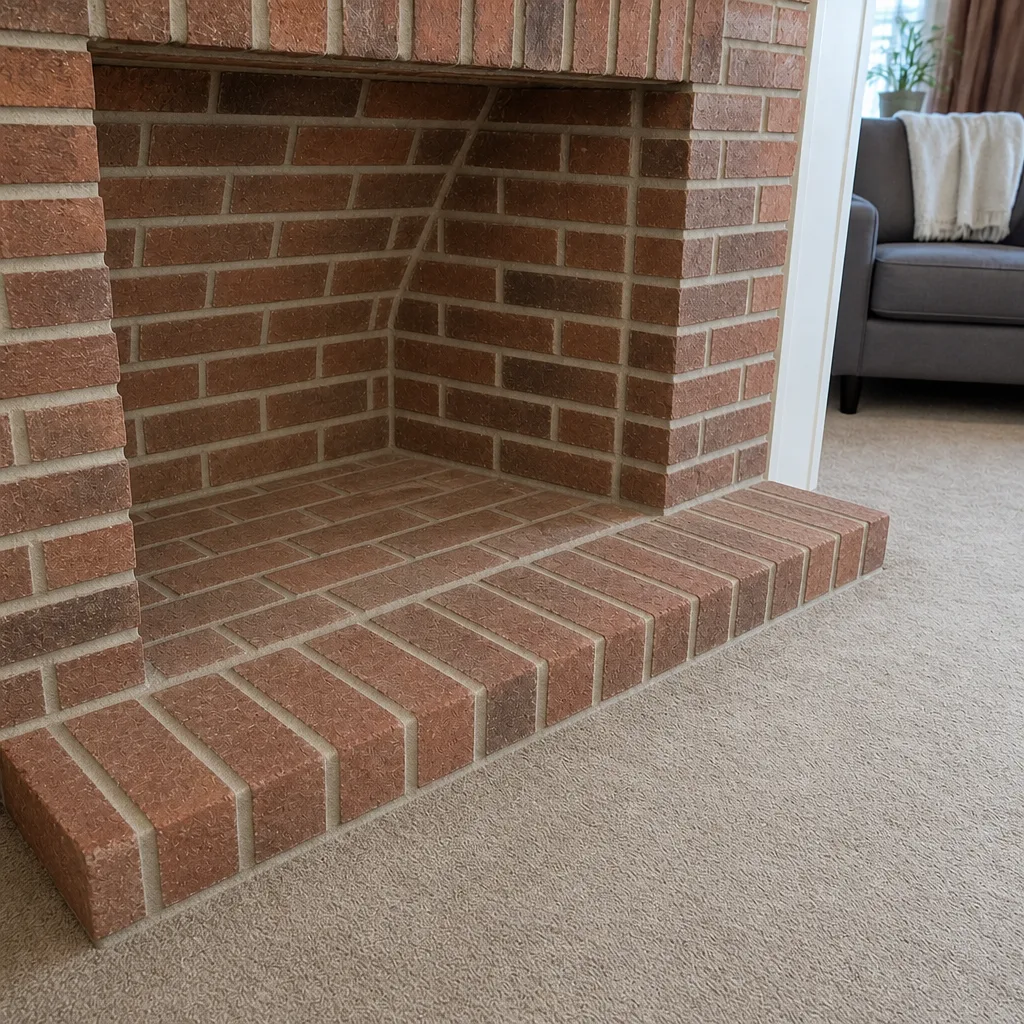 After
When to Call a Professional
Some chimney work is genuinely a homeowner task: testing detectors, stacking wood, checking the cap from the ground. The rest is not. Call a specialist when the fireplace has been in use and there’s evidence of a chimney fire, when you smell a constant creosote odor even out of season, when smoke comes into the room from the firebox during a normal burn, when the cap or crown is visibly damaged, when you notice a dark streak or a dropping deposit on the outside of the chimney, or when you can’t remember the last time the chimney was swept. Any one of those is a call. We respond to chimney emergencies, do Level 2 inspections with camera evidence, and complete the repair under one roof so you aren’t handed off to a second contractor mid-project. Chimney Sweep Southlands offers free estimates and a written scope before work begins. Call (844) 443-4747. We answer 24/7. Fast dispatch from 7am to 7pm, Sunday through Friday.
Frequently Asked Questions
You can’t know with certainty without an inspection. The signs are a sharp or metallic smell from inside the house, a rumbling sound heard through the wall, dark flakes of creosote on the roof or ground, a warped damper, or a sudden change in how the fireplace draws. A Level 2 inspection with a camera is the only reliable way to confirm it and to see whether the flue liner is intact. Call (844) 443-4747 for a free estimate.
Get everyone out of the house, including pets, and call 911 from outside. Do not open the damper or the firebox door, and do not put water in the firebox. Close any glass doors that are already closed and keep them that way. Once the fire department has cleared the scene, don’t light the fireplace again until a Level 2 inspection confirms the flue is intact. Call (844) 443-4747 for a free estimate once you’re ready to schedule.
Because a Level 1 inspection is a visual check and can’t see inside the flue. A chimney fire can crack a clay tile liner or warp a metal liner in ways that are invisible from the firebox. A Level 2 inspection adds a camera inspection of the flue interior, so you’re making the repair decision based on what’s actually there rather than on assumption. Call (844) 443-4747 for a free estimate.
Yes. A partial blockage or backdrafting condition can push carbon monoxide into living space while the fireplace still looks and feels normal. The fire may draw well enough that smoke doesn’t roll into the room, and CO is odorless, so there’s nothing to alert you. That’s why a properly placed and tested CO detector on every level of the home is critical. If you’re concerned about a chimney or fireplace system in Southlands, call (844) 443-4747 for a free estimate.
Book the sweep and inspection first, before the first fire, and get both scheduled at the same visit. Test the smoke and CO detectors, check the cap and crown from the ground, confirm your wood is seasoned, and walk the household through the response sequence in this guide. Save our number, (844) 443-4747, to your contacts now. Call for a free estimate and we’ll get the sweep on the books.
Often, yes. A long burn season means more creosote accumulation than a once-a-year schedule accounts for, especially if you’re burning in mild weather when the fire runs cool. If you had heavy buildup at the last sweep or you burn most days, a mid-season sweep is worth scheduling. Call (844) 443-4747 for a free estimate.
A sweep is cleaning: removing the creosote and soot from the flue. An inspection is the assessment of the whole system, from the firebox through the flue to the cap and crown, including accessible structure. You need both, and they’re commonly done in the same visit. If you’re not sure which one you’re due for, call (844) 443-4747 for a free estimate and we’ll walk you through it.
The Bottom Line
Chimney emergencies follow a pattern: creosote builds, draft gets restricted, a hot fire ignites the deposit, and the damage happens inside the flue where you can’t see it. You can interrupt that pattern at the October sweep, at the detector test, at the first strange smell, and at the decision to call rather than relight. The response sequence for a chimney fire is short and specific: get out, call 911, keep the firebox closed, no water, and a Level 2 inspection before you burn again. A Southlands home with a swept chimney, working detectors, a sound cap and crown, and a written response plan is a home that’s ready for burn season. Nothing in this guide replaces a professional look at your specific system, and we’re glad to be that look. Call (844) 443-4747 for a free estimate. We answer 24/7. Fast dispatch from 7am to 7pm, Sunday through Friday.
Written by the team at Chimney Sweep Southlands.