
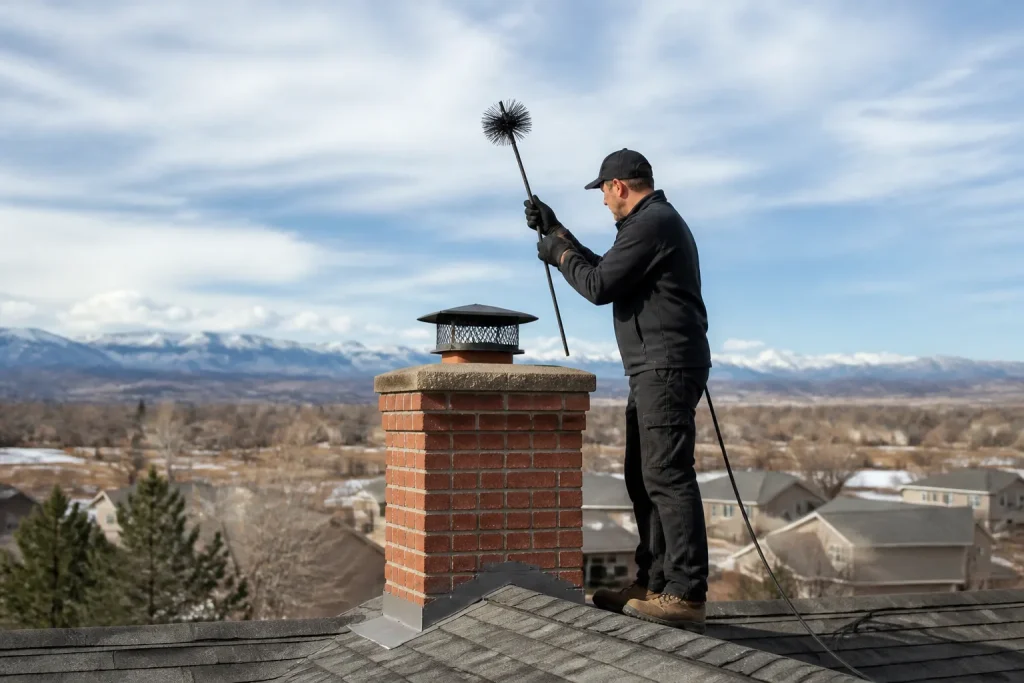
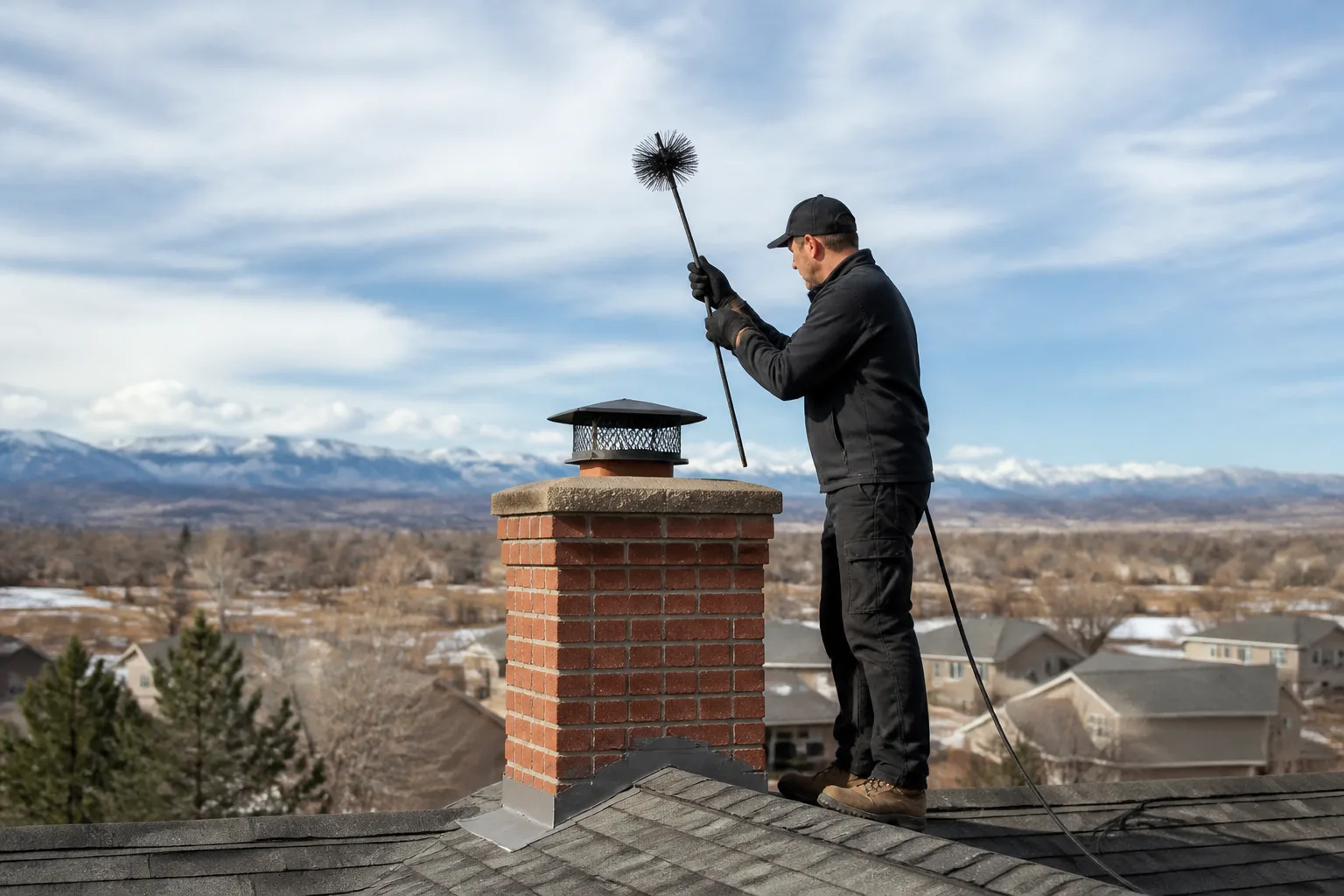
DuraFlex Chimney Sweep in Southlands: A Homeowner’s Guide
DuraFlex is a premium flexible stainless steel chimney liner, and it’s also one of the most oversold products in this trade, because it’s easy to install and profitable to sell. A flexible liner belongs in a chimney with offsets, bends, or a flue that won’t take a rigid pipe. It does not belong in every chimney that has a liner problem. If you’ve been quoted a DuraFlex install in Southlands and you’re not sure whether you actually need one, this guide is for you: what the product does well, how to spot genuine DuraFlex from a generic substitute, and how to read a quote line by line. If you’d rather have a specialist walk your system and give you a straight answer, call (844) 443-4747.
What is a DuraFlex chimney liner, and what is it actually engineered for?
A DuraFlex liner is a continuous length of corrugated stainless steel tube that slides down an existing masonry flue and becomes the new path for smoke and flue gases. The corrugation is the whole point. It allows the liner to flex around the geometry that stops a rigid pipe cold: a chimney with an offset where the flue jogs sideways to clear a roofline, a flue with a slight bend from settling, or a clay tile run that was never perfectly straight to begin with. In those chimneys, a rigid liner either won’t go in or has to be cut into sections and joined, which creates seams and weak points you don’t want in a flue.
Where DuraFlex performs best in a Southlands home:
- Offset flues. The classic case. A rigid liner can’t make the turn; a flexible one follows the original flue path.
- Older masonry chimneys with clay tile that’s cracked, spalled, or missing mortar joints between tiles.
- Appliance upgrades where a modern insert or stove needs a correctly sized flue that the original oversized chimney can’t provide.
- Chimneys with a slight lean or settle where the flue isn’t perfectly plumb.
Where it isn’t the answer: a straight, sound flue that just needs resurfacing. That’s a different product and a different job, and we’ll get to it.
DuraFlex vs. rigid liner vs. HeatShield: which does your Southlands chimney actually need?
Three products solve three different problems. Getting the diagnosis right is the whole job, and it’s where a lot of quotes go sideways. Here’s the honest comparison:
- DuraFlex flexible liner: the right call when the flue geometry demands flexibility (offsets, bends, irregular clay tile) or when the existing flue is compromised enough that a new continuous liner is the safest path.
- Rigid stainless liner: often the better performer in a straight, open flue, because smooth walls move flue gases more efficiently and resist creosote buildup better than corrugation does. If your flue is straight and sound, a rigid liner is frequently the superior choice.
- HeatShield resurfacing: a specialist flue-liner restoration system that repairs the existing clay flue from the inside when the tile is intact enough to receive it. It restores the flue without a full liner replacement, and it’s the option most sweep-only services simply can’t offer because they aren’t certified to apply it.
In our experience, the chimneys that get sold a DuraFlex liner they didn’t need are usually straight, sound flues with minor tile wear: candidates for HeatShield. The chimneys that genuinely need DuraFlex are the ones with real geometry problems or a flue that can’t be saved any other way. The difference is visible on camera. Ask to see it.
How do you verify a contractor is using genuine DuraFlex and not a generic flex liner?
This is the question almost nobody asks, and it’s the one that matters most, because “flexible stainless liner” is a description, not a brand. Generic corrugated liner is sold under the same description at a fraction of the cost, and once it’s inside your chimney you can’t see what you got. A few practical checks:
- Ask for the product name in writing on the quote. “Stainless flex liner” is not enough. The quote should name DuraFlex specifically if that’s what you’re paying for.
- Look at the liner before it goes in. Genuine DuraFlex arrives in branded packaging with the maker’s markings. A contractor who’s using the real product won’t mind you seeing it.
- Ask about the alloy and wall thickness. A specialist should be able to tell you, without hesitation, which grade of stainless is going in your flue and why it suits your appliance.
- Check the fittings. The top plate, the bottom adapter, and the appliance connector should be a matched system, not whatever fit that day.
We work with an intentional roster of professional-grade brands: DuraFlex, HeatShield, Gelco, Olympia Chimney, Famco, and Copperfield. These are the materials specified by certified chimney professionals, not the commodity parts stacked in a big-box aisle. If a quote in Southlands names none of them, ask why.
What prep work has to happen before any DuraFlex liner goes in?
A liner install is only as good as the sweep and prep that precede it. Skip that work and you’ll get a liner sitting inside a dirty, damaged flue, and the performance you were promised won’t show up. A proper install sequence looks like this:
- A full sweep first. The flue has to be clean before anyone can inspect it honestly, and clean before a liner goes down. Creosote left behind between the liner and the old flue is a fire load you can’t reach later. You can read more about what that work involves on our chimney sweep page.
- A camera inspection of the full flue. Every foot, top to bottom, before a single decision is made. This is where the liner recommendation should come from, not from a glance up the chimney.
- Removal of obstructions. Nests, fallen tile, or a damaged damper that would block the liner path.
- Repair of any structural problems that would compromise the liner: a cracked crown, a failing mortar joint at the top, a flue that’s spalling.
Skipping the sweep and inspection doesn’t save money. It just hides problems under a new liner, and you find out later when the performance doesn’t match the price.
How do you read a DuraFlex liner quote in Southlands? Line by line
A liner quote has four parts, and a good one breaks them out. If yours comes as a single lump sum, ask for the breakdown. Here’s what each piece does and why it’s there:
- Liner material. The DuraFlex tube itself, priced by length and by the alloy and wall thickness that suit your appliance. A larger flue or a longer run costs more. The grade matters, so don’t assume all stainless is equal.
- Insulation wrap. The wrap around the liner that keeps flue gases hot, which reduces creosote and improves draft. Not every job needs it, but most do, and it should appear as a separate line so you can see it’s included.
- Top and bottom fittings. The top plate, cap, and appliance connector. These are the parts that finish the job and prevent it from leaking. A quote that doesn’t mention them is incomplete.
- Labor. The sweep, inspection, prep, and install. This is where the real skill sits, and it varies with the flue geometry and the access at the roofline.
Read the quote with those four parts in mind and you can tell whether the job is fully spec’d or whether something’s been left out to make the number look lower. The written estimate sets the final price; nothing here is a surprise later.
What does a properly finished DuraFlex job look like (and what does a rushed one look like)?
The install is complete when the system is verified, not when the liner disappears into the flue. A proper finish includes a camera inspection of the installed liner to confirm it’s continuous, seated correctly at the top and bottom, and free of kinks or damage from the install itself. It includes a top plate sealed to the crown, a cap fitted correctly, and the appliance connector attached and tested. And it includes a photo report you keep, so you can see what was done rather than take anyone’s word for it.
A rushed job tends to show up in the details: a liner that’s been forced around a corner and kinked, a top plate not sealed, a cap sitting loose, or no post-install inspection at all. You might not notice any of it until the first cold season, when the draft is weak or the chimney smokes back. By then the contractor is gone. The cap and crown work is part of this too, since those are the two most common points of water intrusion in a chimney, and a new liner behind a failed crown is money spent twice. Our chimney cap & crown page covers what good finishing work includes.
When to call a pro: if you’ve been quoted a DuraFlex liner and you’re not sure you need one, or if you want a second opinion on what’s actually inside your flue, that’s the moment. A specialist can inspect, show you the camera footage, and tell you plainly whether a flexible liner is right for your Southlands chimney or whether a different repair serves you better. And if the fireplace itself needs work alongside the flue, our fireplace repair service handles the firebox and the system together so you’re not handed to a second contractor mid-project.
Related services in Southlands
If you’re working through a liner decision, these are the pages worth reading next: the full Chimney Sweep Southlands overview of what we do, the sweep and inspection work that has to come first, the cap and crown finishing that protects the job, and fireplace repair if the firebox is part of the picture.
What happens when you call
- 1
A real person answersNo phone trees – you reach a local pro.
- 2
You get an upfront price rangeHonest numbers before anyone is dispatched.
- 3
A background-checked tech heads outLicensed & insured, dispatched right away.
- 4
You approve before work beginsNothing starts until you say go.
The Bottom Line
DuraFlex is a genuinely excellent product in the right chimney. It’s the correct choice when your flue has offsets, bends, or irregular clay tile that a rigid liner can’t navigate, and it’s the wrong choice when a straight, sound flue simply needs HeatShield resurfacing or a rigid install. The difference between the two is visible on camera, and any specialist worth hiring will show you. Get the product named in writing, ask for the four-part breakdown, insist on a camera inspection before and after, and keep the photo report. That’s how you get the DuraFlex job your chimney actually needs, and only if it needs one. If you’re in Southlands and need help, Chimney Sweep Southlands offers free estimates. Call (844) 443-4747 to book yours. We answer 24/7, with fast dispatch from 7am to 7pm, Sunday through Friday.
Frequently Asked Questions
Not always. A flexible liner is the right call when your flue has offsets, bends, or failed clay tile that can’t be restored. If your flue is straight and the tile is sound enough, a rigid liner or HeatShield resurfacing often performs better and costs less. The only way to know is a camera inspection, and you should see the footage yourself before deciding. Call (844) 443-4747 for an exact quote. Estimates are free.
It depends on the flue length, the alloy and wall thickness you need, whether insulation wrap is included, and the fittings and labor involved. A quote should break those four parts out separately so you can see exactly what you’re paying for. Read the estimate with those lines in front of you, and remember the written estimate sets the final price. Call (844) 443-4747 for an exact quote. Estimates are free.
DuraFlex is a flexible stainless liner that becomes the new flue inside your existing chimney. HeatShield is a resurfacing system that repairs the existing clay flue from the inside, without a full liner replacement, when conditions allow. HeatShield is the less invasive option when the tile can take it; DuraFlex is the right choice when the geometry or damage rules resurfacing out. A specialist certified to apply both can tell you which fits your chimney.
Sweeping depends on how much you burn and what you burn, and a new liner doesn’t change the schedule, though it does make the flue easier to keep clean. Skipping sweeps on a lined flue lets creosote build up just the same, and that’s a fire risk regardless of the liner. Book a sweep before the burning season rather than after, and have the system inspected at the same time. Call (844) 443-4747 for a free estimate on a sweep and inspection.
Written by the team at Chimney Sweep Southlands.
Need Chimney Cleaning Help?
Call Chimney Sweep Southlands - the local pro we connect you with is licensed and insured, here with fast help in Southlands.
(844) 443-4747