
Last updated November 23, 2026
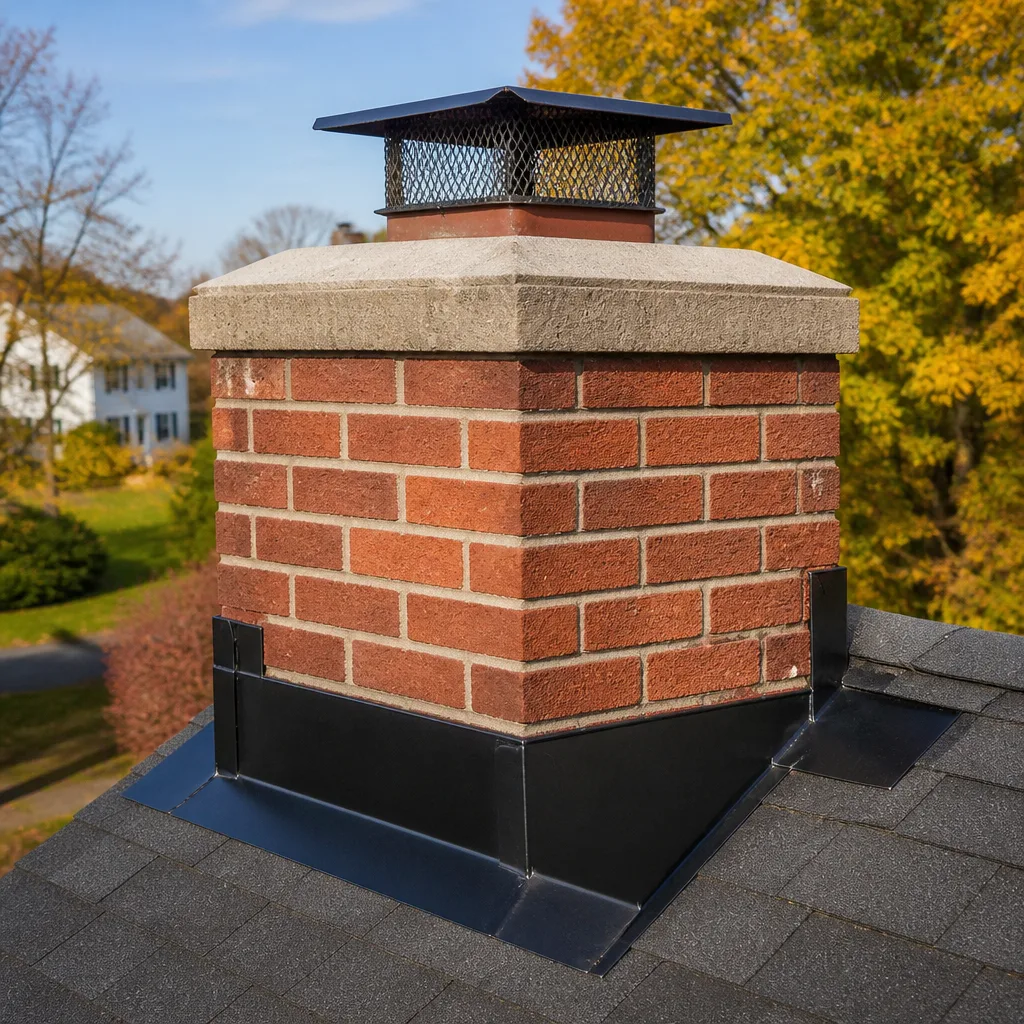 Sweep & inspection
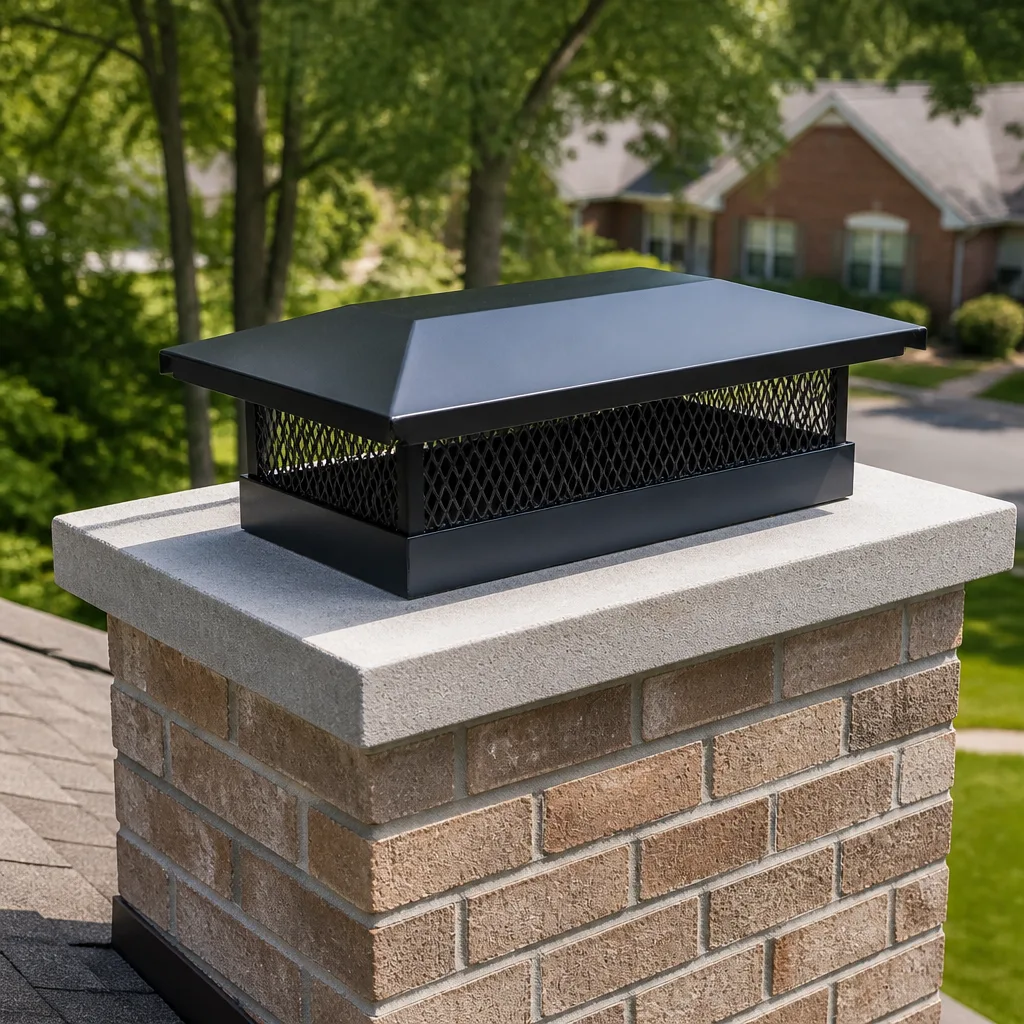 Caps & crowns
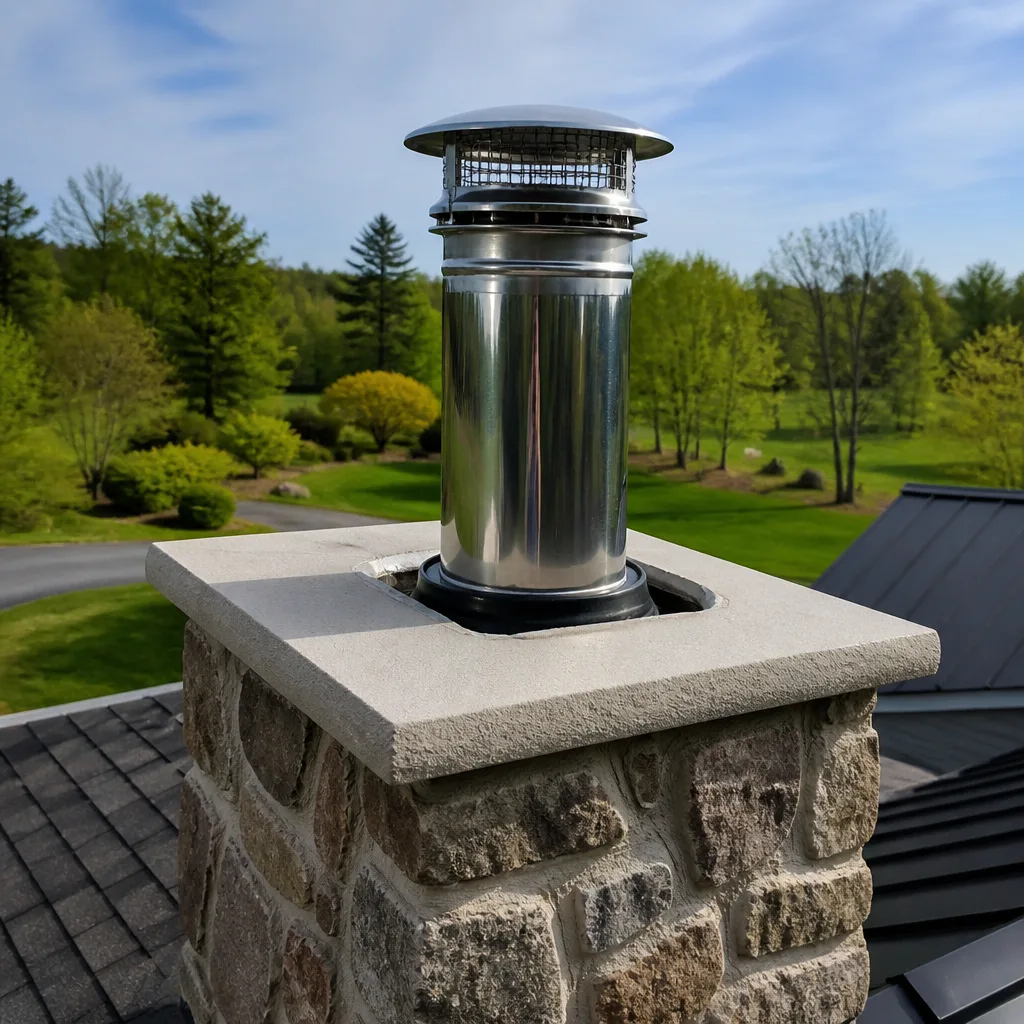 Flue relining
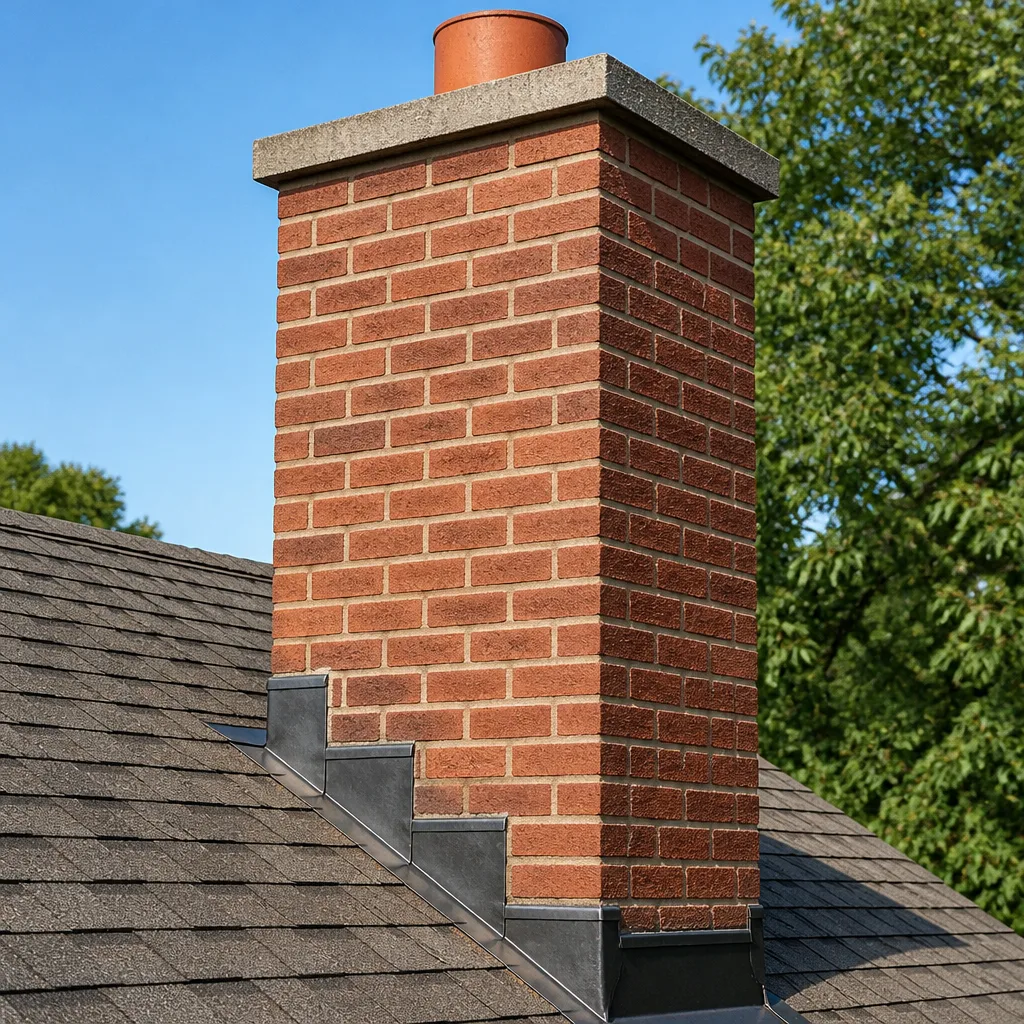 Masonry repair
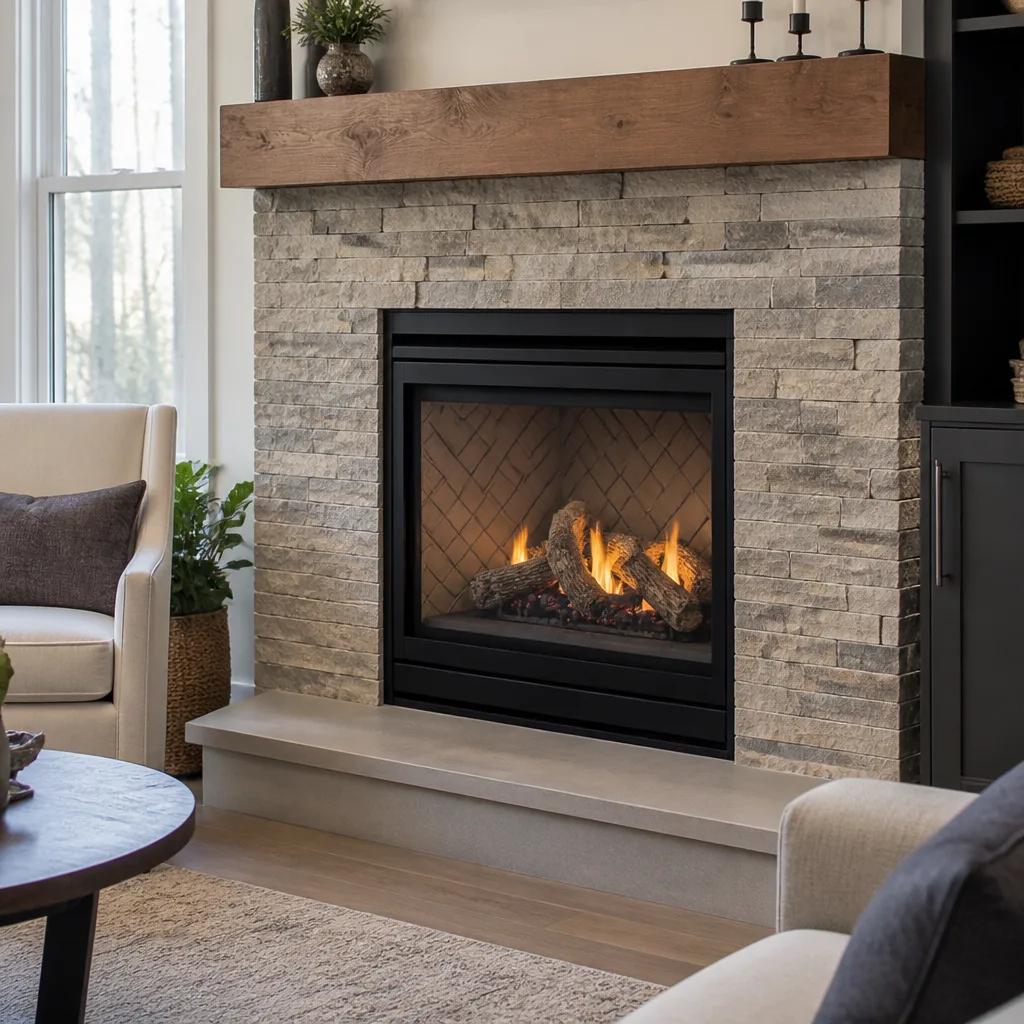 Gas fireplace service
Level 1 sweep and inspection to the NFPA 211 annual standard - flue, crown, cap, and flashing checked and photographed
Chimney sweep logs do not sweep chimneys. They loosen some creosote - which then falls where a brush and vacuum still have to collect it.
Chimney Sweep Maintenance Checklist for Southlands Homeowners
Most homeowners treat chimney care as a once-a-year phone call: book a sweep, get a receipt, forget about it until next fall. That approach misses the point of maintenance. A chimney is a stack of connected components, each one exposed to weather, heat and moisture in a different way, and each one fails on its own timeline. The cap that goes unexamined through a Colorado spring is a good example. Water gets past a cracked crown or a bent cap, soaks into the masonry, and by the time you smell smoke indoors the repair has moved from a small flashing fix to a liner problem. This guide gives Southlands homeowners a structured checklist to track all of it, year over year, so the small stuff gets handled before it becomes structural. We’ll separate what you can watch yourself from what needs a technician’s tools, and show you how to build a record that makes every professional visit sharper.
Quick Answer
A chimney maintenance checklist for Southlands homeowners covers three layers: things you can observe and do yourself each season (cap condition, damper movement, creosote buildup on the firebox walls, debris on the roof), annual professional sweeping and inspection, and a written year-over-year record of every component’s condition. The goal isn’t to do the technician’s job. It’s to catch damage early, gather useful information before a visit, and know what to fix, what to watch and what can safely wait.
Styles & brands we work with
- Sweep & inspection
- Caps & crowns
- Flue relining
- Masonry repair
- Gas fireplace service
Table of Contents
- The Chimney System, Component by Component
- What Southlands Homeowners Can Check Themselves
- What Requires a Professional’s Eyes and Tools
- How to Document Your Chimney’s Condition Year Over Year
- Freeze-Thaw Damage and Debris: A Southlands Climate Checklist
- Maintenance Tasks vs. Inspection Triggers
- How to Prepare for a Professional Sweep
- Common Mistakes to Avoid
The Chimney System, Component by Component
You can’t maintain what you can’t name. A chimney has seven main parts, and each one has a different expected lifespan and a different failure mode. Understanding the list gives you the vocabulary to describe what you’re seeing and the framework for tracking it.
The components, from top to bottom:
- Chimney cap. The lid that keeps rain, snow, birds and debris out of the flue. It sits at the very top and takes the most weather. A cap that’s bent, loose or missing is the single most common entry point for water in a Southlands system.
- Crown. The sloped concrete surface on top of the chimney that sheds water away from the masonry. Hairline cracks are normal; deep cracks that run to the edge let water straight into the brickwork below.
- Flue tiles or liner. The inner passage that carries smoke and gases up and out. In older Southlands homes this may be clay tile; in retrofits it may be a DuraFlex flexible liner or a HeatShield-resurfaced flue.
- Spark arrestor. The mesh screen inside the cap that stops hot embers from landing on your roof or your neighbor’s. It also catches the most debris.
- Mortar joints and brickwork. The visible masonry. Joints erode from freeze-thaw cycling; brick face can spall when moisture gets trapped inside and expands.
- Firebox and damper. The firebox holds the fire; the damper opens and closes the flue. The damper is a moving part and likes a little attention.
- Smoke chamber and flashing. The transition where the firebox meets the flue, plus the metal flashing where the chimney meets the roof. Both are leak-prone if ignored.
Each of these belongs on your annual list. When you think of the system as seven checkpoints rather than one chore, you stop treating the chimney as a black box and start catching problems at the component level.
What Southlands Homeowners Can Check Themselves
A homeowner with good eyes, a flashlight and a ladder (or binoculars for the roof) can cover a surprising amount of ground. These are the checks that don’t require training or tools, and they form the first layer of your record.
From ground level, with binoculars and a flashlight inside:
- Look at the cap from the ground. Is it sitting level? Is the mesh intact, or torn? Any obvious rust or missing pieces? Jot down what you see with the date.
- Inspect the flue from inside. Shine a flashlight up the flue from the firebox. You’re looking for heavy black or glazed buildup on the walls, cracked flue tiles, or light coming through where it shouldn’t.
- Cycle the damper by hand. Open and close it fully. It should move without sticking. An annual light application of a high-temperature lubricant on the damper mechanism is a reasonable maintenance task.
- Clear surface debris from the cap area if you can do it safely. Twigs and leaves collect on spark arrestor mesh. Never step onto a roof in wet, icy or snowy conditions to do this, and skip it entirely if you don’t have safe roof access.
- Check the firebox walls. Loose mortar between firebricks, or a cracked firebrick, is worth writing down and showing a technician.
- Look for interior stains on the ceiling or the wall near the chimney. Discoloration is a sign of water tracking down the exterior of the flue. Note the location and the date.
Record what you find. Comparing this year’s observations against last year’s is how you know whether a small change is normal settlement or the start of something bigger.
What Requires a Professional’s Eyes and Tools
Some of the most important parts of the system are invisible from the ground floor, and the checks that matter most are the ones that need tools, training and safe roof access. A professional sweep and inspection covers ground that a homeowner physically can’t reach.
- A full flue inspection. A technician runs a camera or a specialized tool the length of the flue to look for cracked tiles, gaps at joints, and liner deterioration that would only show as a slow leak in your ceiling weeks later.
- Creosote evaluation. Creosote comes in three stages, from light soot to a glazed, hard-to-remove deposit. The third stage is the one that carries the real chimney fire risk and the one that needs mechanical removal.
- Crown and flashing assessment. From the roof, a technician can see how the crown is pitched and whether the flashing has been repaired or patched in ways that will fail again.
- Spalling and efflorescence inspection. Spalling brick (where the face flakes and pops) and efflorescence (the white chalky staining that shows moisture moving through masonry) are diagnostic signs a trained eye reads quickly.
- Liner condition check. If a liner is failing, this is where you learn whether a full replacement, a HeatShield flue-resurfacing, or a DuraFlex flexible liner is the right fit. A trained technician can tell you, and a sweep-only service can’t.
- Structural evaluation. If the masonry is pulling away from the house, leaning, or has serious water damage, that’s structural work. Chimney Sweep Southlands handles chimney cap & crown and structural repair as part of the same system visit, so the scope stays with one specialist instead of being handed off.
The line between “watch it” and “fix it” is a judgment call. That’s the value of an inspection: it puts a trained eye on the parts of the system that hide the most.
How to Document Your Chimney’s Condition Year Over Year
A checklist only pays off if you keep a record. The biggest advantage of a written log isn’t that it helps you; it’s that it gives a technician a baseline. When someone tells you “your flue tiles are cracked,” the right question is “are they more cracked than last year?” A documented history answers that.
Build the log in three parts:
- Photographs, dated. Take the same four photos each season: the cap from the ground, the crown at an angle, the firebox, and the top of the flue. Save them in one folder with the date in the filename. They cost nothing and take five minutes.
- A written observation sheet. One page per year with a line for each component (cap, crown, flue, firebox, damper, masonry, flashing). Note condition, changes since last year, and any issue you noticed in daily use (smoke rollback, unusual odor, poor draft).
- Inspection reports and service records. Every professional report goes into the same folder. If work was done, note the date and what was replaced. If a technician recommended watching something, write it down with the date so you can check whether it changed.
This record has a specific purpose. When a technician recommends a repair, the log lets you see whether there was a documented change, and it lets the technician see what was observed last year. That’s how you avoid the frustrating situation of being told you need thousands of dollars of work with no way to verify it. Ask for the photos and the camera footage, and put them in the folder. Every professional estimate should come with evidence you can look at.
Freeze-Thaw Damage and Debris: A Southlands Climate Checklist
Colorado’s weather cycles the front range through hard freezes and warm days all winter, and that repeated thaw-freeze pattern is what does the most damage to masonry. Water seeps into the small cracks and pores in brick or mortar, freezes and expands, and pries the surface apart. Over a few seasons, a hairline crack in a crown becomes a spalled brick face and a leaky joint. Southlands chimneys see that cycle more than most, and the maintenance plan should reflect it.
Seasonal items specific to a Southlands home:
- Post-winter masonry walk. Each spring, walk the exterior of the chimney looking for hairline mortar cracks, popped brick faces (spalling), or white chalky staining (efflorescence). Any of these signals moisture is moving through the masonry and should be evaluated before the next freeze.
- Snow and ice tracking. After a heavy snow, look for icicles or ice buildup at the cap. Heavy ice at the top of a chimney is a sign water is getting in somewhere above and refreezing.
- Debris accumulation. The trees around the south metro area drop leaves, twigs and seed pods onto roof surfaces and into cap mesh through the fall. A clogged spark arrestor chokes your draft and slows the fire. Check the cap after the leaves drop and before the first fire of the season.
- Spring crown inspection. The crown is the most freeze-thaw-exposed part of the system. A cracked crown found in May is a small repair. The same crack found in November, after a summer of rain and a freeze cycle, is typically a bigger one.
- Post-storm roof check. After a hail or wind event, look for missing cap pieces and dented flashings. Hail and wind are the two most common causes of cap damage in Southlands, and both are quick to spot from the ground with binoculars.
Winter maintenance in a Colorado climate is about reading the outside of the chimney, not the inside. The frost-heave cracks and the ice dams form in the masonry and at the crown, and that’s where your eyes need to go before the first burn.
Maintenance Tasks vs. Inspection Triggers
Not everything you notice is a task for the homeowner. Some observations mean “do this yourself this weekend.” Others mean “stop, and call.” Understanding the difference keeps you from doing the wrong work yourself and from waiting on a problem that needs a professional.
Maintenance tasks, in general:
- Lubricating the damper mechanism once a year.
- Clearing leaves and twigs from the cap mesh from safe ground access.
- Taking dated photos of each component each season.
- Scheduling the annual professional sweep.
- Keeping the firebox clean of ash at the end of the season.
- Noting the fuel type and any changes to your fireplace insert or stove before the next visit.
Inspection triggers, in general:
- Spalling brick or white efflorescence on the exterior masonry.
- Smoke rollback: smoke coming back into the room when the fire is running.
- A persistent draft problem or a cold smell when no fire is lit.
- A cracked or deeply pitted crown.
- Ceiling or wall stains near the chimney chase.
- Any glazed, hard creosote visible inside the flue.
- A damaged or missing chimney cap.
The task list is the routine work of living with a chimney. The trigger list is the reason you keep the schedule. A checklist that mixes the two together makes people think they can handle the second list themselves, and that’s the mistake to avoid.
How to Prepare for a Professional Sweep
A sweep visit runs better when you’ve done a little preparation. It’s not about the technician working faster; it’s about the visit being more diagnostic. The more accurate information you can give the technician at the start, the more precisely the visit can be targeted.
A simple pre-visit routine:
- Collect your log and photos. Have your written observations and the dated photos from the past year ready. Show any changes since the last visit first.
- Write down specific issues. “Smoke rolls into the room when the fire is first lit” is far more useful than “sometimes it smokes.” Note when it happens, what the weather was, and whether the damper was fully open.
- Note the fuel and appliance type. Wood, gas, pellet, or multi-fuel, and make/model of any insert or stove. This tells the technician which components to focus on.
- Clear the work area. Move furniture away from the hearth and put down a drop cloth if you have one. Clean out the firebox the day before, so the technician can see the walls and the damper without ash in the way.
- Ask about access and roof safety. Note any roof conditions, snow or ice on the day, and anything the technician needs to know about access to the cap.
- Ask for the camera inspection and a photo report. Chimney Sweep Southlands provides camera inspection and a photo report as part of the visit. Show the photos to the technician and put the report in your log folder afterward.
If you’ve followed the checklist for a few years, this step is fast. The log does most of the talking, and the visit becomes a conversation about what’s changed rather than a discovery process. That’s the real payoff of the record.
Common Mistakes to Avoid
- Treating the cap as optional. A cheap cap replacement is the single best seasonal protection you can put on a chimney. Skipping the cap check lets water get in and turn a small repair into liner or masonry work.
- Burning unseasoned wood to “make the season last.” Green wood leaves more moisture and creates more creosote in the flue. Season the wood before you burn it, and keep the fire hot and clean.
- Skipping the sweep because you didn’t burn much last year. Even a few fires deposit creosote and soot. A light-use season still needs the annual sweep and inspection, because that’s when you find out whether the flue changed.
- Assuming “no smoke inside” means no problem. Many serious issues (cracked tiles, a leaky crown, efflorescence) cause no smoke at all. The absence of a symptom is not the same as a clean bill of health.
- Skipping the post-winter masonry walk. In Southlands, the most useful single maintenance habit is a spring look at the exterior of the chimney. That’s when the freeze-thaw cracks are easy to see and easy to fix.
- Doing roof work yourself in bad conditions. Cap clearing and roof inspection are reasonable for a homeowner who’s comfortable on a roof, but not in snow, ice or wind. Skip it and note it in the log for the technician.
- Reading a warranty as a maintenance plan. A chimney warranty doesn’t inspect masonry or track flue condition. Only the annual sweep and the year-over-year record do.
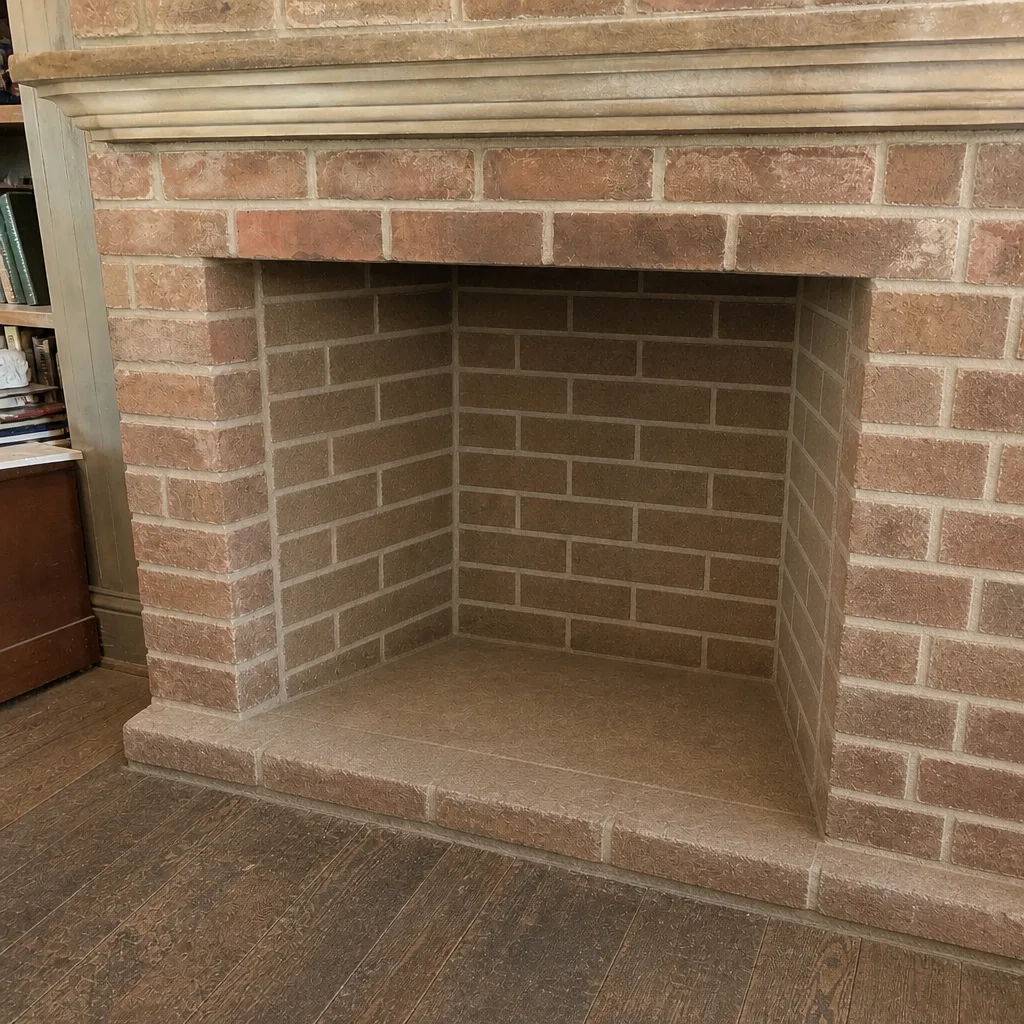
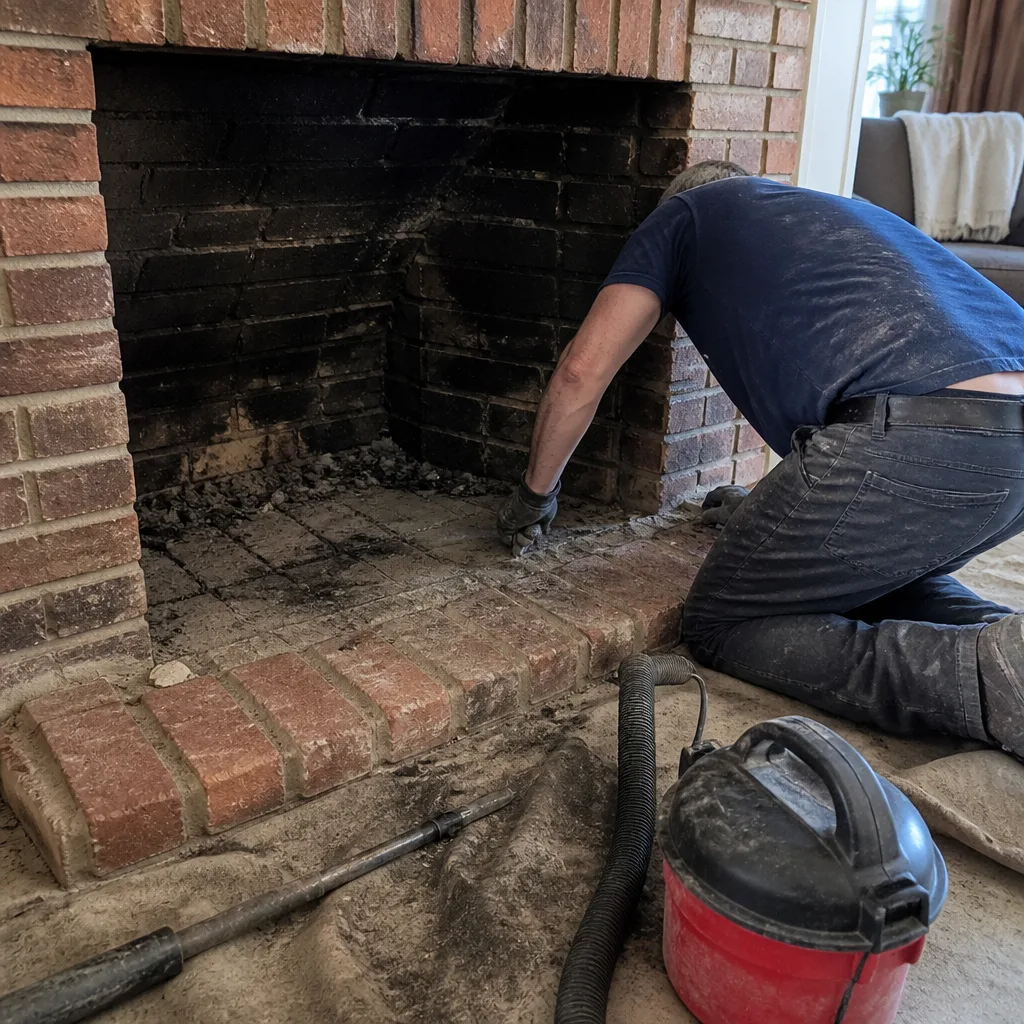
See the difference
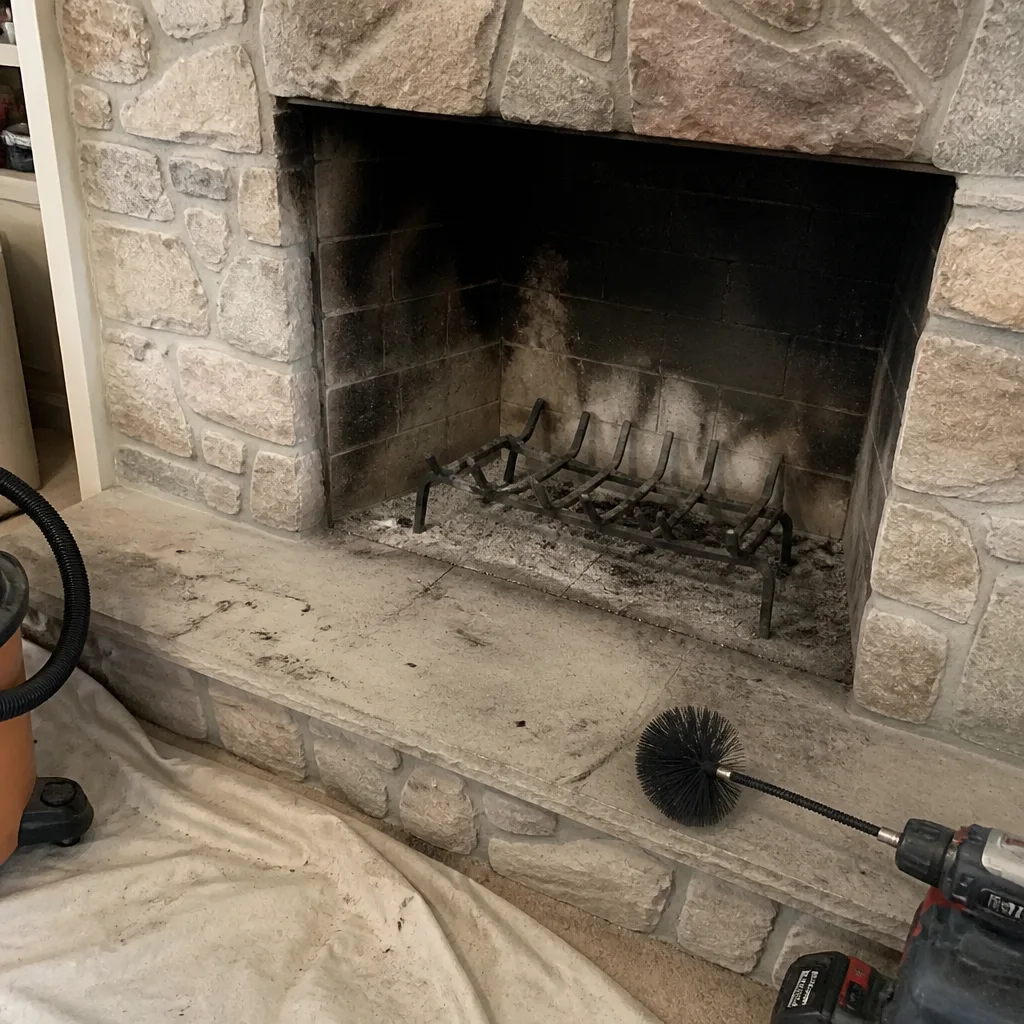 Before
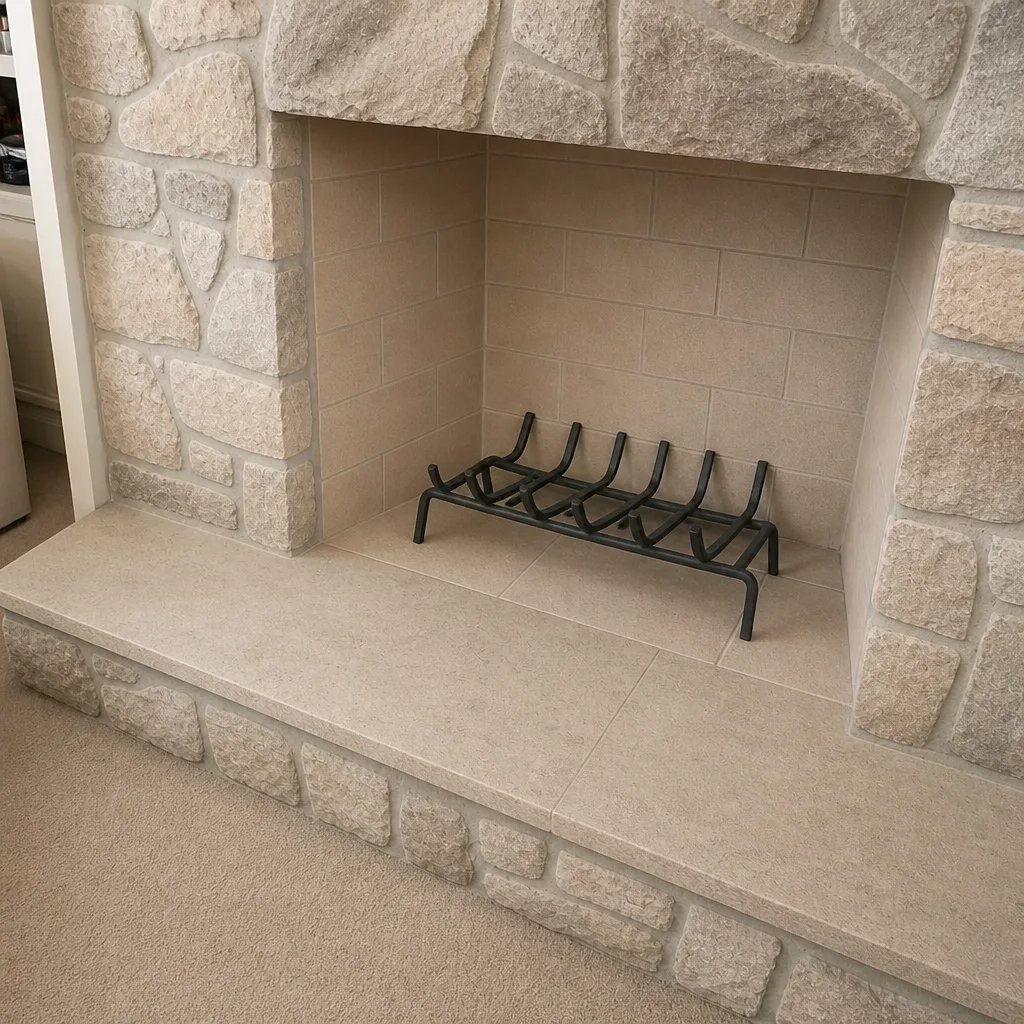 After
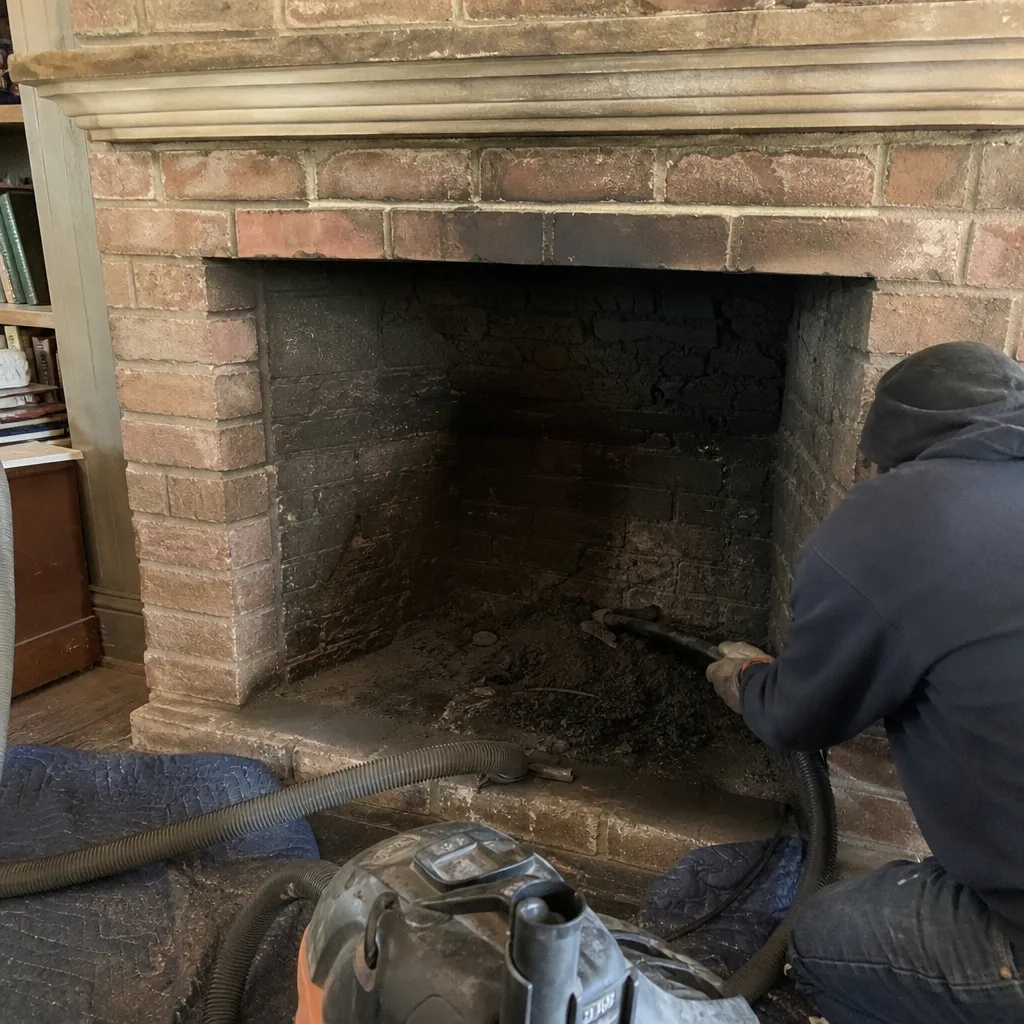 Before
 After
 Before
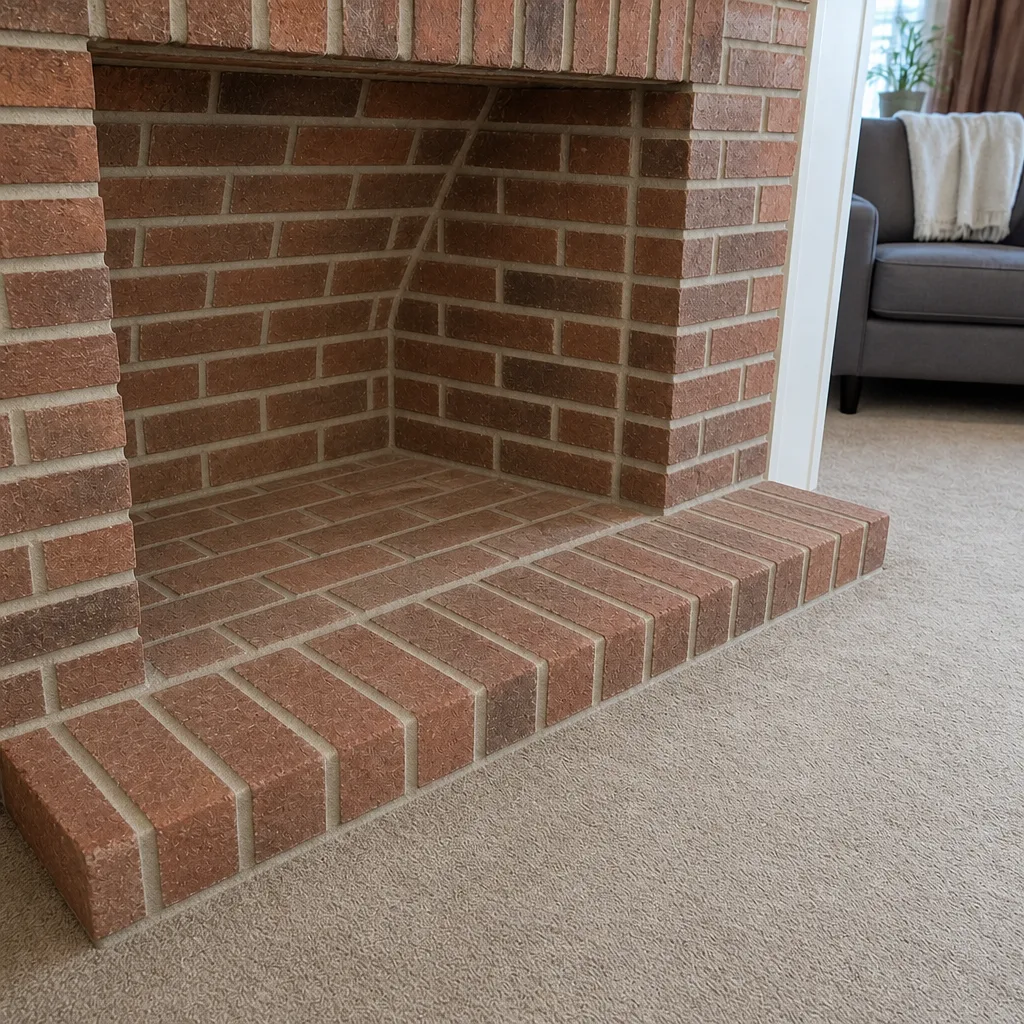 After
When to Call a Professional
Some situations need a trained eye and the right tools, and no amount of homeowner observation substitutes for them. Call for a professional visit when you find a damaged or missing cap, a crown with a deep crack, spalling brick or efflorescence on the exterior, visible glazed creosote, smoke rollback, or any interior water staining. Call before the first fire of the season if it’s been more than a year since the last sweep, and call immediately if you’ve had a chimney fire, even a small one, because the flue needs a proper inspection afterward. If you’re in Southlands and you’re not sure whether your situation is a task or a trigger, a free estimate clears it up. Call (844) 443-4747 to book one.
Frequently Asked Questions
For most wood-burning systems, yes. An annual professional sweep and inspection is the baseline that catches creosote buildup and flue damage in one visit. Even if you only burned a few fires last season, the inspection side of the visit is where you find out whether anything changed. Call (844) 443-4747 to schedule a visit and a free estimate.
A sweep removes soot and creosote; an inspection evaluates the condition of the whole system, including parts the sweep doesn’t touch. A thorough visit includes both, which is why we do them together and provide a photo report you can keep. If you’re unsure which you need, book both and ask for the camera inspection. Call (844) 443-4747 for details.
At least twice a year: once in the spring after the freeze cycle ends, and once after any significant hail or wind event. The spring check after a Colorado winter is the most valuable, because that’s when freeze-thaw cracks and efflorescence are easy to see. If you spot spalling, a pitted crown or white staining, call (844) 443-4747 for a professional evaluation.
Yes, if you have safe roof access and the conditions are dry and clear. Skip it in snow, ice or wind, and note in your log that it needs clearing so a technician can handle it during the next visit. Never step onto a wet or icy roof, and never work on the cap without a safe ladder and a spotter. If you’d rather leave it to us, call (844) 443-4747.
HeatShield is a flue-resurfacing system that can restore a deteriorated liner without a full liner replacement when the conditions are right. It’s a maintenance option that comes up when the inspection finds a liner that’s failing but not gone, and a specialist trained to apply it can tell you whether it fits your system. A general sweep-only service won’t have that option. Ask about it during your visit: call (844) 443-4747 for a free estimate.
Sweep and inspection pricing is set per job by the written estimate, so the checklist itself doesn’t change the price. What it does change is the visit: a documented history makes the diagnosis more precise and saves time. Chimney Sweep Southlands provides a flat-price sweep agreed before booking, camera inspection, and a photo report with the visit. Call (844) 443-4747 for an exact quote. Estimates are free.
The Bottom Line
A chimney maintenance checklist isn’t a reminder to book a sweep. It’s a way of tracking the seven components of the system so small changes are caught before they turn into structural work. Check what you can see, write it down, and let the professional visit cover the rest. Southlands weather makes the spring masonry walk the most valuable habit on the list, and the year-over-year record is what makes every visit smarter. Nothing gets recommended without evidence you can see, and some work can safely wait. When it’s time for the annual sweep and inspection, we’re ready to take a look.
Ready to have your system checked end to end? Chimney Sweep Southlands handles the full lifecycle of your chimney, from sweeping and inspection to fireplace repair and structural work. Our technicians have up to 14 years of experience. Call (844) 443-4747 for a free estimate. We answer 24/7. Fast dispatch from 7am to 7pm, Sunday through Friday. You can also read more about our chimney sweep service or start at Chimney Sweep Southlands.
Written by the team at Chimney Sweep Southlands.