
Last updated November 23, 2026
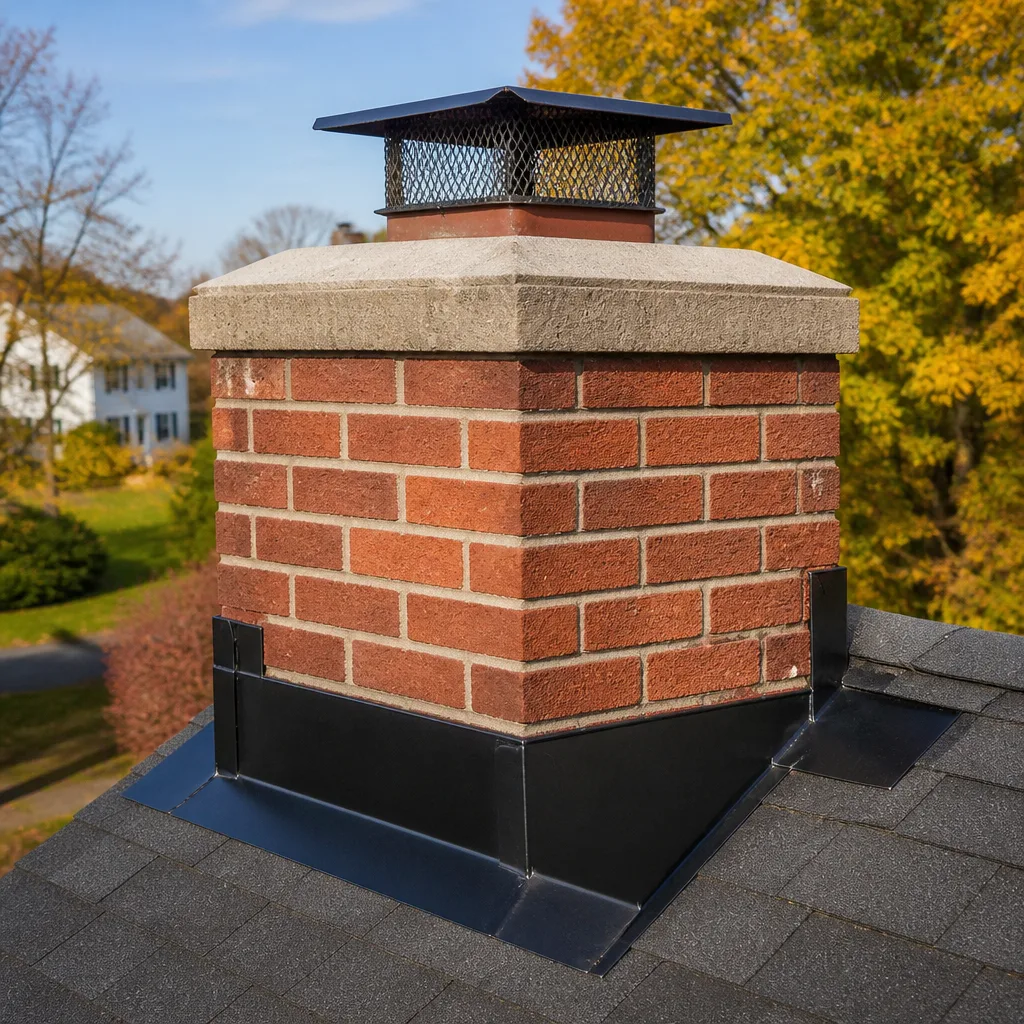 Sweep & inspection
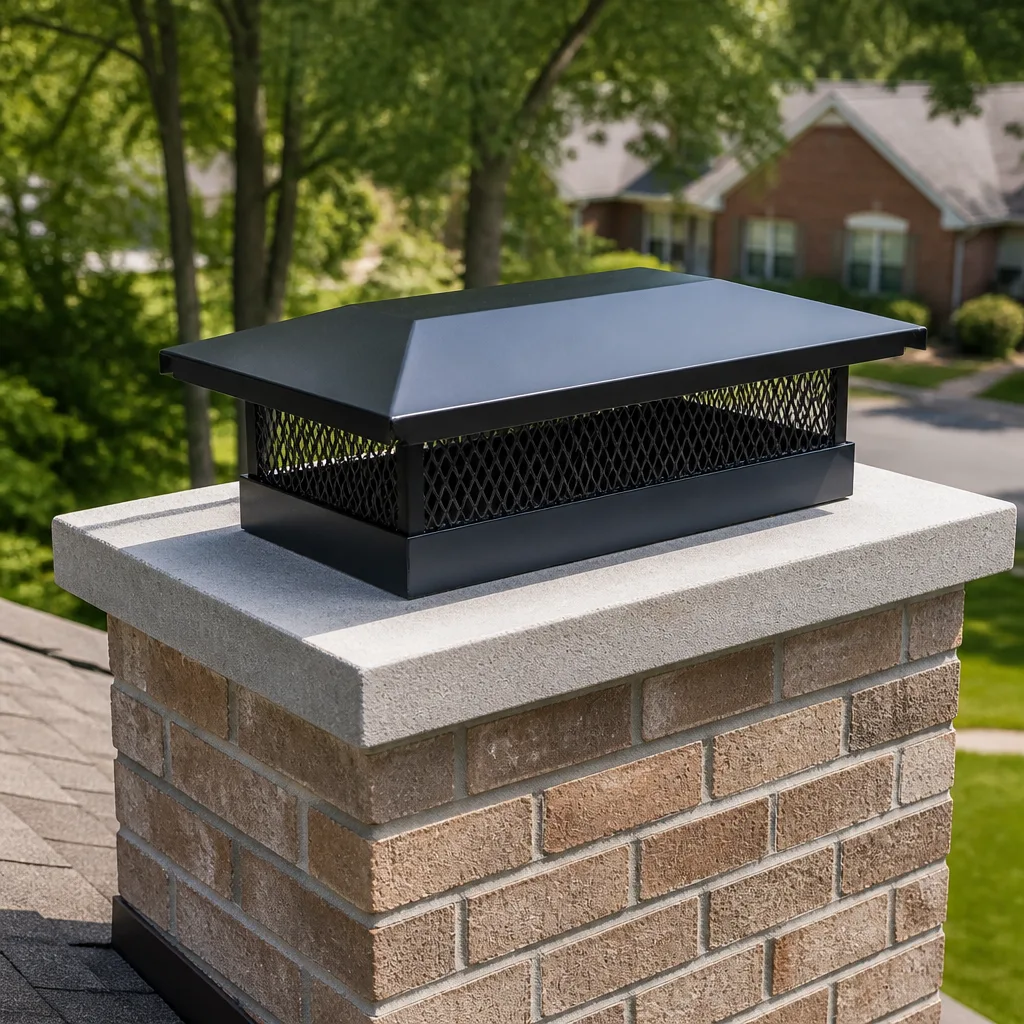 Caps & crowns
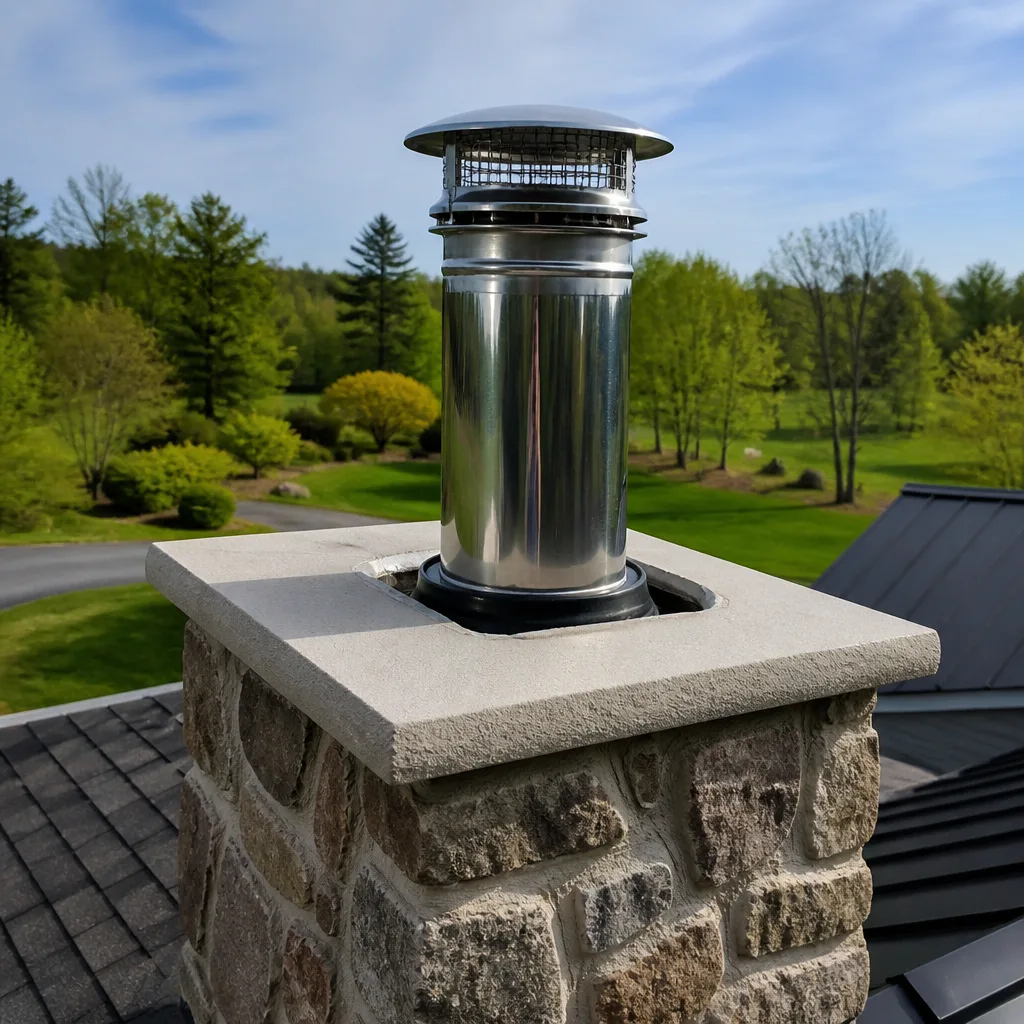 Flue relining
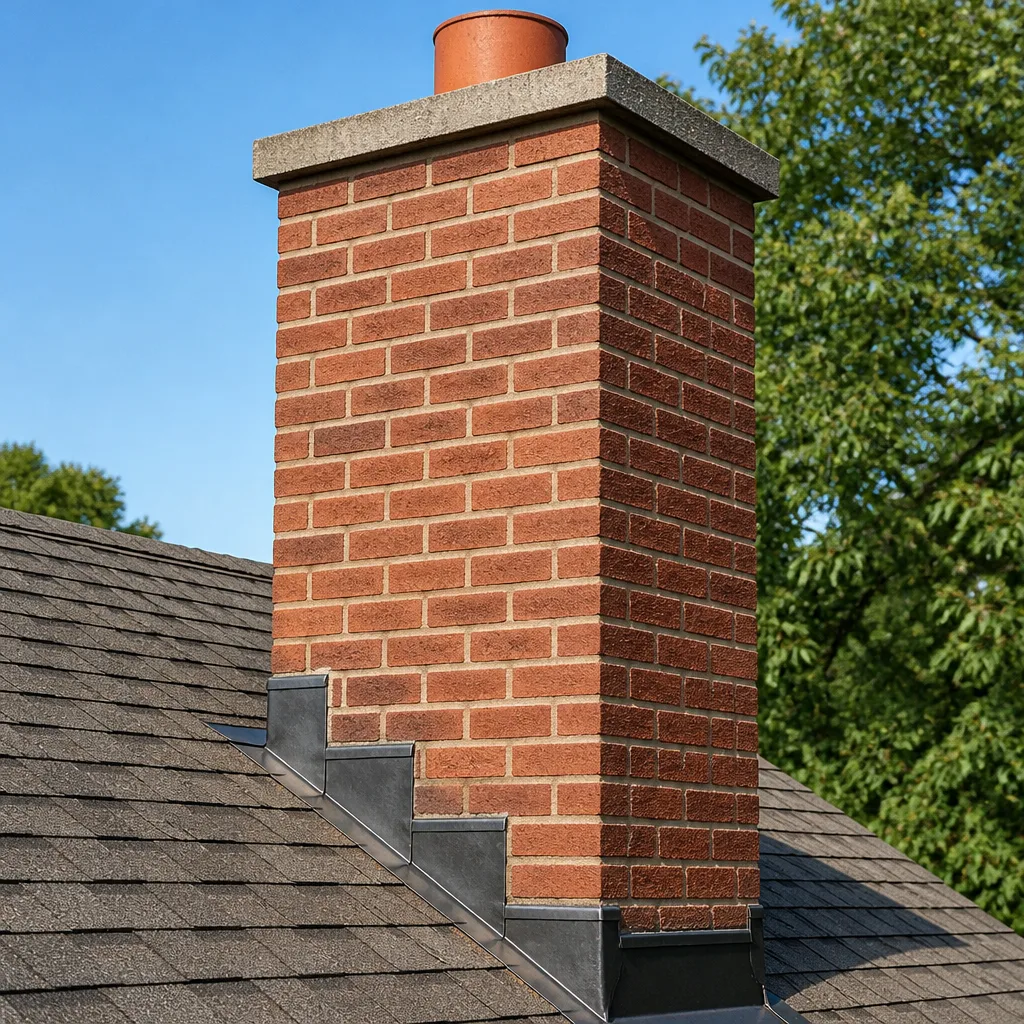 Masonry repair
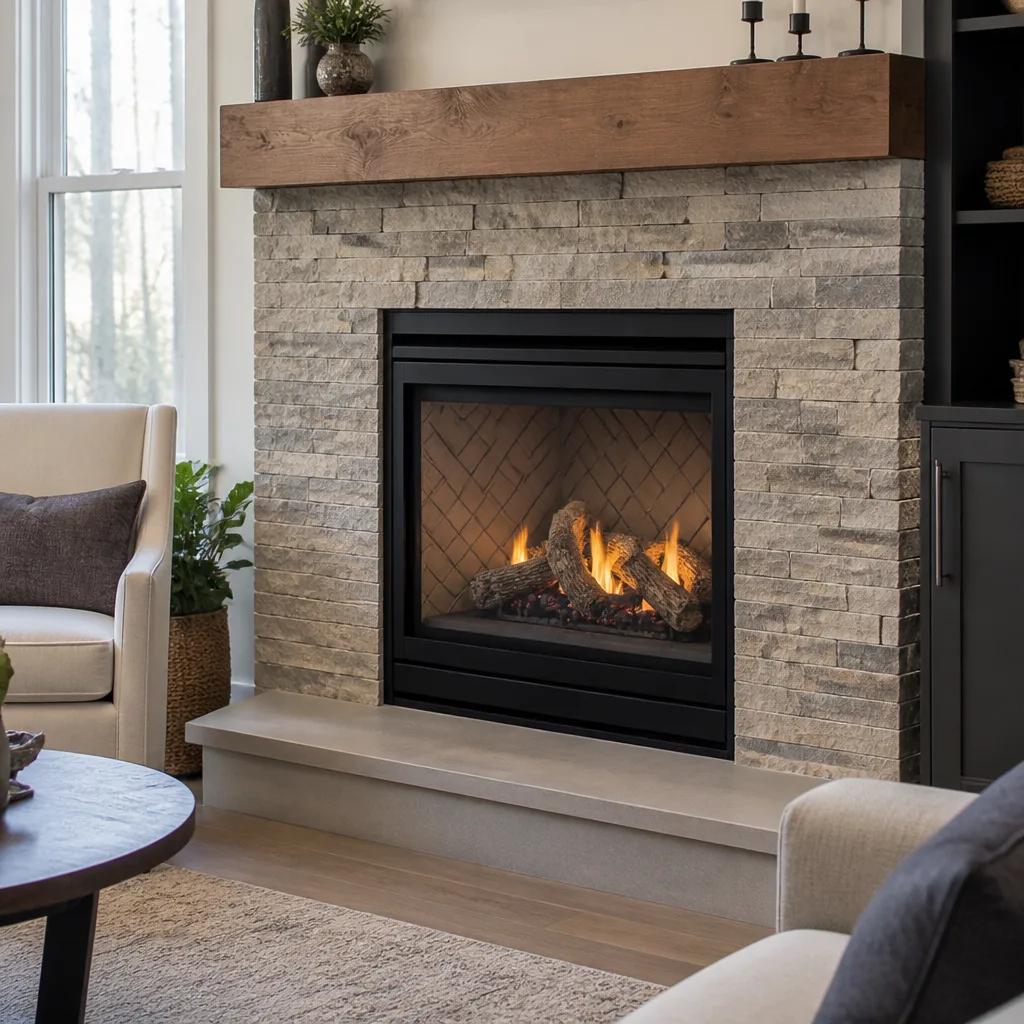 Gas fireplace service
Level 1 sweep and inspection to the NFPA 211 annual standard - flue, crown, cap, and flashing checked and photographed
Chimney sweep logs do not sweep chimneys. They loosen some creosote - which then falls where a brush and vacuum still have to collect it.
The Complete Guide to Chimney Cleaning in Southlands
At 5,900+ feet of elevation, wood burns differently than it does at sea level. Combustion is less complete, the smoke is cooler, and creosote accumulates faster than most national advice suggests. That’s why the standard “one sweep per year” line, written for lowland chimneys, routinely falls short here. Between the Front Range cold snaps and the stop-and-start burn season, a chimney in Southlands is doing something specific, and cleaning it well starts with understanding what it has been doing between fires. This guide covers that full picture: why Southlands conditions matter, how different systems need different protocols, what a real inspection looks for, and how to read the clues in your own firebox.
Quick Answer
Chimney cleaning in Southlands means removing creosote, soot, and blockages from the flue and firebox, then performing a Level 1 inspection to confirm the system is safe before the next burn season. Because of the elevation and variable Front Range burn season, many Southlands homes benefit from cleaning more often than the once-a-year rule written for lower altitudes, and the right interval depends on how much and how hot you burn. A sweep is a booked service, scheduled ahead of burning season, not an emergency visit.
Styles & brands we work with
- Sweep & inspection
- Caps & crowns
- Flue relining
- Masonry repair
- Gas fireplace service
Table of Contents
- Why Southlands Elevation Changes Creosote Patterns
- Masonry, Inserts, and Wood Stoves: Three Different Cleaning Protocols
- What a Level 1 Inspection Actually Checks
- How to Read Your Own Firebox After a Season
- The Full Lifecycle of a Chimney: Crown to Smoke Chamber
- How a Professional Cleaning Actually Works
- How Often Should You Clean in Southlands?
- Common Mistakes to Avoid
Why Southlands Elevation Changes Creosote Patterns
Creosote is a natural byproduct of burning wood. It forms in stages: a light, flaky dust, then a crusty brown-black layer, then the slick, hardened glaze that’s far harder to remove. The stages progress at different speeds depending on how efficiently the wood burns. In Southlands, that efficiency is measurably lower than at sea level, and every part of the burn responds to it.
At this elevation, there’s simply less oxygen per cubic foot of air. A fireplace draws in air to feed combustion, and when that air is thinner, the fire runs cooler and burns less completely. Cooler smoke carries more unburned particles up the flue, and those particles settle on the chimney walls as creosote. The flue itself stays cooler too, which matters because creosote forms more readily on cool surfaces than hot ones. A chimney that gets a proper, hot, steady fire on a cold day pushes more of that deposit up and out. One that smolders builds it fast.
Then there’s the Front Range burn season. Southlands winters bring sharp cold snaps followed by stretches of milder weather, and homeowners tend to light fires in bursts rather than burn steady through the season. Those short, cool, stop-and-start fires are exactly the pattern that accelerates the jump from stage 1 creosote to stage 2 and 3. A chimney lit three weekends a month for a cool fire builds more hardened deposit than one lit daily for a hot fire, even if the daily chimney burns more wood in total.
The practical takeaway: national recommendations built on lower-altitude assumptions don’t translate directly here. If you burn wood in Southlands, plan to have the flue checked more often than the “once a year” line suggests, and learn to watch for what your own fires leave behind. We walk through what to look for below.
Masonry, Inserts, and Wood Stoves: Three Different Cleaning Protocols
Not every chimney in Southlands is the same animal, and cleaning them the same way is a mistake. Each system has its own geometry, deposit behavior, and tool set. Here’s how they differ.
Masonry fireplaces
The classic open-hearth masonry fireplace has the largest firebox and the most direct smoke path, but that also makes it the most prone to cool, smoldering fires. Creosote builds on the wide throat and smoke chamber above the damper, where smoke slows and cools before it turns up the flue. Cleaning a masonry fireplace means reaching the smoke chamber, not just the flue, with brushes sized to the flue’s actual dimensions. The masonry itself needs to be checked for spalling, and the damper and firebox joints inspected.
Prefabricated inserts and factory-built fireplaces
Factory-built inserts and fireplaces use metal flues and gaskets, and cleaning around those components takes a lighter touch. Gaskets, baffles, and the firebox liner can be damaged by an aggressive brush, so the protocol calls for tools matched to the metal flue and a careful inspection of every joint. The glass doors and the gasket around them are part of the system too, and a sweep should check them along with the flue.
Wood stoves
A wood stove concentrates heat in a smaller firebox and its flue runs hotter than an open fireplace, which changes the creosote profile: less of the fluffy stage 1 and more risk of harder deposits building where the flue bends or meets the stove collar. Cleaning a wood stove means reaching the flue through the stove, removing the baffle and baffle board in the right order, and cleaning the connector pipe separately. The stove itself needs its door gasket and air controls checked, because those affect how completely it burns.
- Masonry: wide smoke chamber, brush to the flue dimensions, damper and firebox joints checked.
- Factory-built insert: metal flue, matched tools, gaskets and liner inspected.
- Wood stove: connector pipe cleaned separately, baffle handling matters, door gasket checked.
Knowing which one you have is the first step. If you aren’t sure, the model plate on the unit usually says so, and any professional chimney sweep should confirm it before starting.
What a Level 1 Inspection Actually Checks
A cleaning is not an inspection, and an inspection is not a cleaning, though they usually happen together. The standard sweep visit includes a Level 1 inspection, and it’s worth knowing what that covers so you can tell whether you got one.
A Level 1 inspection is the basic annual check performed with the chimney’s readily accessible components in view. It does not require a camera and does not mean opening the structure. What it establishes is whether the chimney is safe to use as-is, or whether a deeper Level 2 evaluation is warranted. Here’s what we look at during a sweep:
- The firebox and its interior: mortar joints, cracks, and signs of spalling or heat damage.
- The damper: that it opens and closes freely and seals as it should.
- The smoke chamber and throat: the transition above the damper, where deposit collects and blockages hide.
- The flue liner: visible condition, joints, and any gaps where heat or smoke could escape.
- The cap and crown: whether water can get in and whether the cap is intact and clear.
- Exterior visible components: the masonry from the ground and anything reachable without tearing into a wall.
What a visual-only pass misses is the inside of the flue beyond what a straight look can see: damage around a bend, a partially collapsed liner, or a crack the wrong angle hides. Where the firebox interior is concealed or the flue is offset, a proper inspection may require a video camera. We include a camera inspection and a photo report so you can see what we see, rather than taking our word for it. That’s also why we won’t recommend liner or masonry work you can’t verify for yourself.
How to Read Your Own Firebox After a Season
You don’t need a certification to learn a lot from what your own firebox shows after a burning season. Three things are diagnostic: color, texture, and where the deposits sit.
Color
Light gray-brown soot on the firebox walls means the fire burned reasonably hot. Soot so dark it’s nearly black, especially low on the walls, points to a cooler, less complete burn, the pattern elevation tends to produce. A shiny, tar-like black deposit at the damper and throat is glaze, the hardest stage, and it’s a signal to book a sweep before the next season starts.
Texture
Dry, flaky, brushable deposit is stage 1. Crusty and slightly harder to scrape is stage 2. If the deposit feels slick or tacky and won’t flake off under a fingernail, that’s stage 3, and it needs a professional-grade tool or a chemical treatment, not a homeowner brush.
Location
Where the deposit collects tells you where the smoke has been slowing. Creosote at the top of the firebox and around the damper is common and usually manageable. Deposit concentrated in the smoke chamber or at a flue offset suggests a cooler or restricted draft, which is worth a look at the cap and chimney height. White, chalky deposit on the firebox walls, distinct from soot, often points to masonry efflorescence from water getting in somewhere above, which is a crown or cap issue, not a cleaning one.
Go into the firebox after the last fire of the season, with the damper open, and look with a flashlight before you clean anything out. What you record is a useful baseline to compare against next year. If anything reads as stage 3 glaze or efflorescence, that’s your cue to get a specialist’s eyes on it.
The Full Lifecycle of a Chimney: Crown to Smoke Chamber
Cleaning keeps a chimney clear. But a chimney is a system of interacting parts, and understanding how they fit together explains why cleaning alone sometimes isn’t enough. Think of it top to bottom.
- The crown: the concrete cap at the very top, shaped to shed water away from the flue. A cracked or failing crown is one of the two top points where water gets into a chimney, and it’s a structural repair.
- The chimney cap: the metal cover over the flue. It keeps rain, snow, birds, and debris out. A missing or damaged cap is the other main water-intrusion point, and it also lets animals in.
- The flue liner: the inner channel the smoke travels up. Its job is to contain smoke and heat and protect the surrounding masonry. A compromised liner is a safety issue, not just a cleaning one.
- The smoke chamber: the sloped space above the damper that funnels smoke into the flue. Rough chamber walls collect creosote fast, and resurfacing here is a specialist job.
- The damper and throat: the opening that controls airflow. Sealing and operation matter for how clean the burn stays.
- The firebox: where the fire actually sits. The masonry here takes the most direct heat and shows the earliest signs of wear.
Each component affects the next. A cracked crown lets water into the masonry, which spalls the flue lining, which breaks the smoke containment, which turns a cleaning ticket into a repair. A missing cap does the same from a different angle. When we install chimney cap & crown protection, we’re protecting the part of the system that delivers the most preventable damage in Southlands, where freeze-thaw cycles in winter stress masonry every year. And when the flue liner itself is worn but still structurally sound, fireplace repair and resurfacing can restore it rather than replace it.
How a Professional Cleaning Actually Works
A proper cleaning in Southlands is methodical and staged. Here’s the sequence a specialist follows from arrival to wrap-up.
- Assess and protect. Confirm the system type, lay drop cloths and seal the firebox opening so dust stays contained, and check that the cap or damper area is clear.
- Inspect before cleaning. A visual pass identifies blockages, damage, or hazards that change how the job is approached. It also means you get a before-and-after picture.
- Clean the flue. Sized brushes are worked through the flue from below or above, with tools matched to masonry or metal. Bottom-up is often easier in Southlands homes with accessible fireboxes; top-down where the roof access is safer.
- Clean the firebox, smoke chamber, and damper. The chamber above the damper is where the real difference between a quick brush and a proper sweep shows.
- Remove and contain the debris. Soot and creosote come out in sealed bags, not into the room.
- Perform the Level 1 inspection. With the flue clean, the liner and visible structure can finally be read accurately.
- Report and recommend. You get a written summary of what’s fine, what needs watching, and what, if anything, needs work, with photos to back it up.
The brands that go into a professional job matter because they determine how the repaired system will hold up. We work with a roster of professional-grade chimney brands, including HeatShield for flue resurfacing when a restoration beats a replacement, DuraFlex flexible liner systems for retrofits, and Gelco and Olympia Chimney components for the surrounding structure. These are the materials chimney specialists specify, not big-box commodity parts. When a sweep visit turns up something that needs repair, we can handle it under one roof rather than handing you off mid-project.
How Often Should You Clean in Southlands?
The honest answer is that it depends on how you burn, not just where you live. But in Southlands, the elevation-heavy, stop-and-start burn pattern pushes many homes toward the more frequent end of the range.
- Burn most days through the season, hot fires: an annual sweep is a reasonable baseline, done before the season starts.
- Burn several times a week, mixed: consider a sweep every season and a check at the start of each burn season.
- Burn intermittently, cool weekend fires: this is the pattern that builds creosote fastest in Southlands, so annual checking is the minimum, and watching your own firebox for glaze tells you when to move up.
- Gas or multi-fuel: these need inspection and cleaning too, even without wood smoke, because the liner and vent still accumulate deposit and the system still needs a safety check.
The best guide is a combination of the schedule and your own readings. That’s why we always include a camera inspection and a photo report: so you know whether your chimney’s condition matches the calendar, and can plan accordingly. The right time to book is ahead of burning season, before the cold snaps arrive, not during an emergency.
Common Mistakes to Avoid
- Treating “once a year” as a fixed rule. That advice was written for lower altitudes and steadier burn seasons. In Southlands, cool, intermittent fires can build glaze well before a year is up.
- Cleaning yourself with a homeowner brush and no inspection. A brush clears stage 1 and part of stage 2; it doesn’t reach the smoke chamber, and it tells you nothing about the liner or crown. The job is a cleaning plus an inspection, not just a scrub.
- Ignoring the crown and cap until water gets in. Southlands freeze-thaw winters punish failing masonry, and a cracked crown or missing cap lets water in that then spalls the liner. Check both before the season.
- Assuming a factory-built insert cleans like a masonry fireplace. Metal flues and gaskets need matched tools; an aggressive brush can damage them.
- Skipping the firebox reading. Glaze, soot color, and efflorescence are your early warnings. Look before you clean each season rather than after.
- Burning smoldering fires to “stretch” the wood. Cool, slow fires are the fastest way to stage 3 creosote at any altitude, and more so in Southlands thin air.
- Letting a generalist handle a chimney repair. Cap, crown, liner, and chamber work are specialist jobs; a general handyman sweeping chimneys on the side won’t have the materials or the protocols.
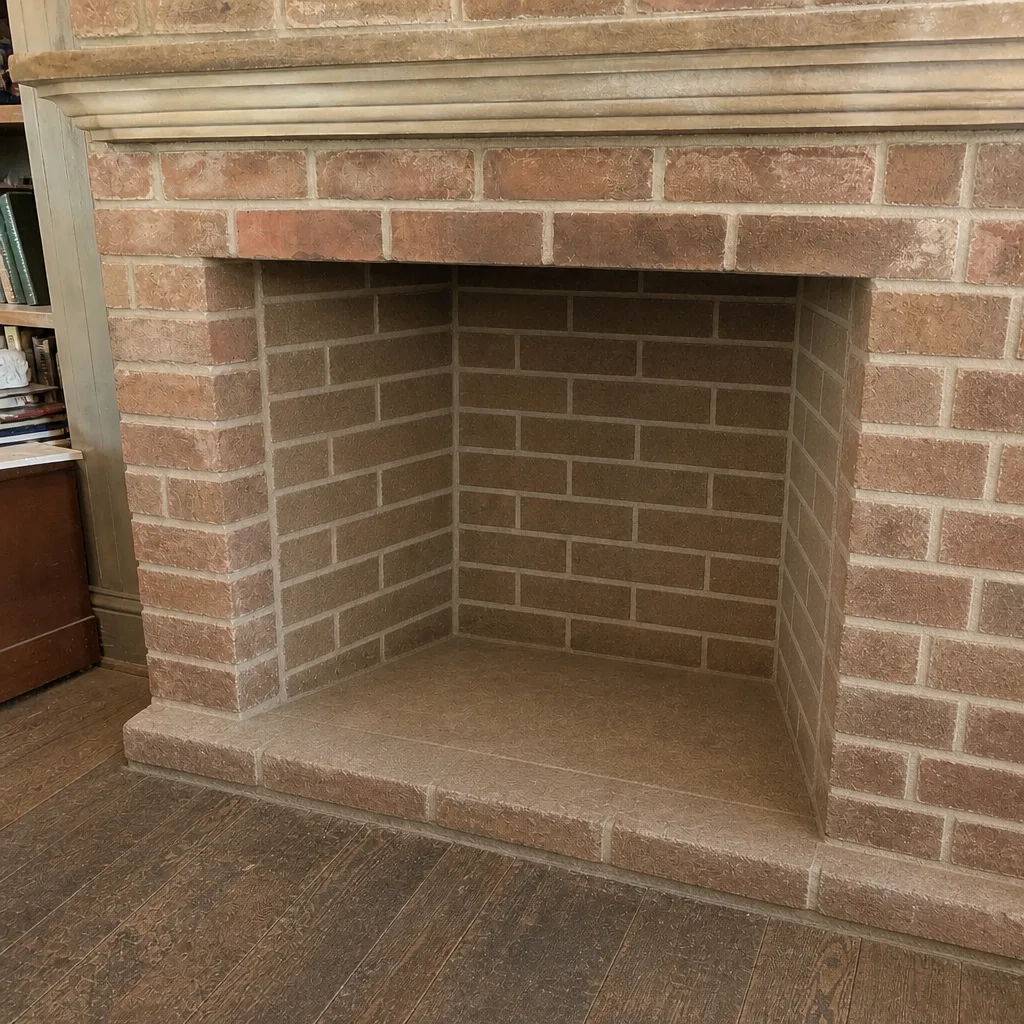
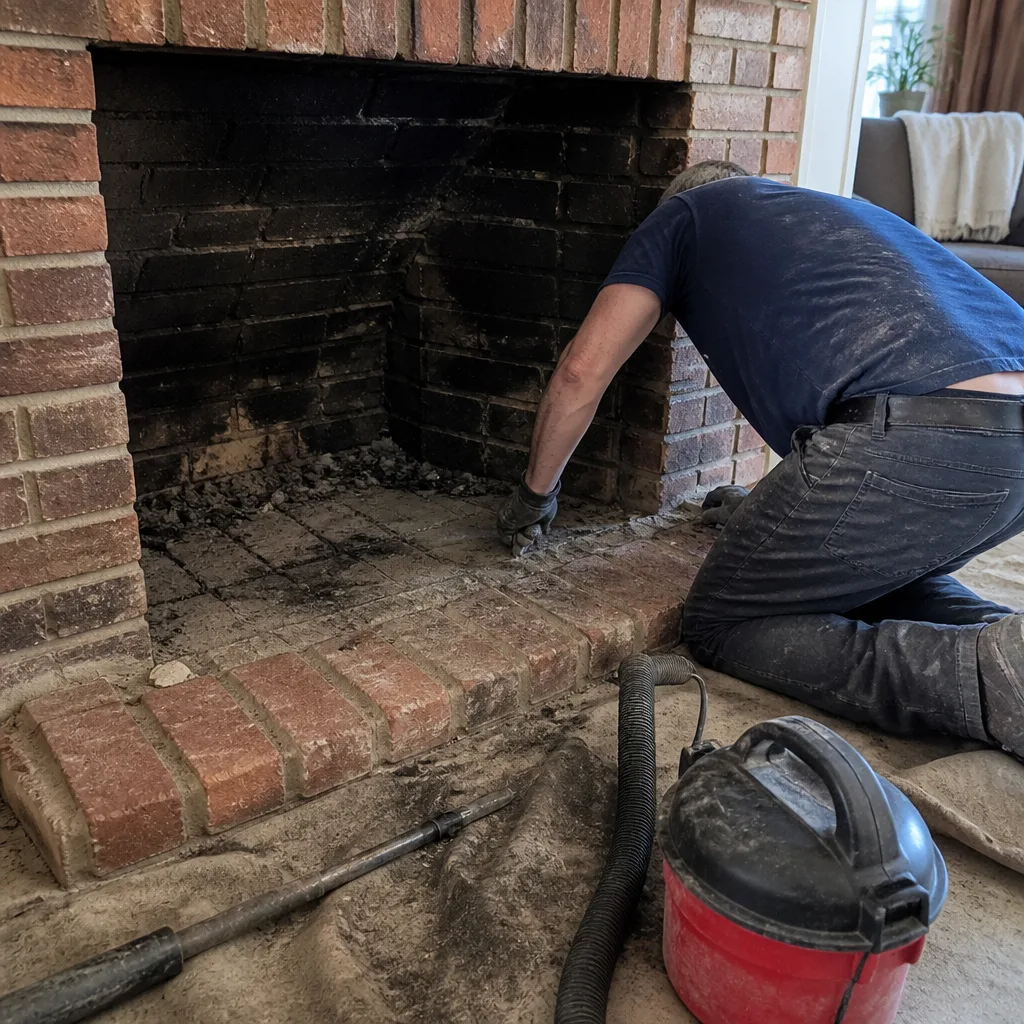
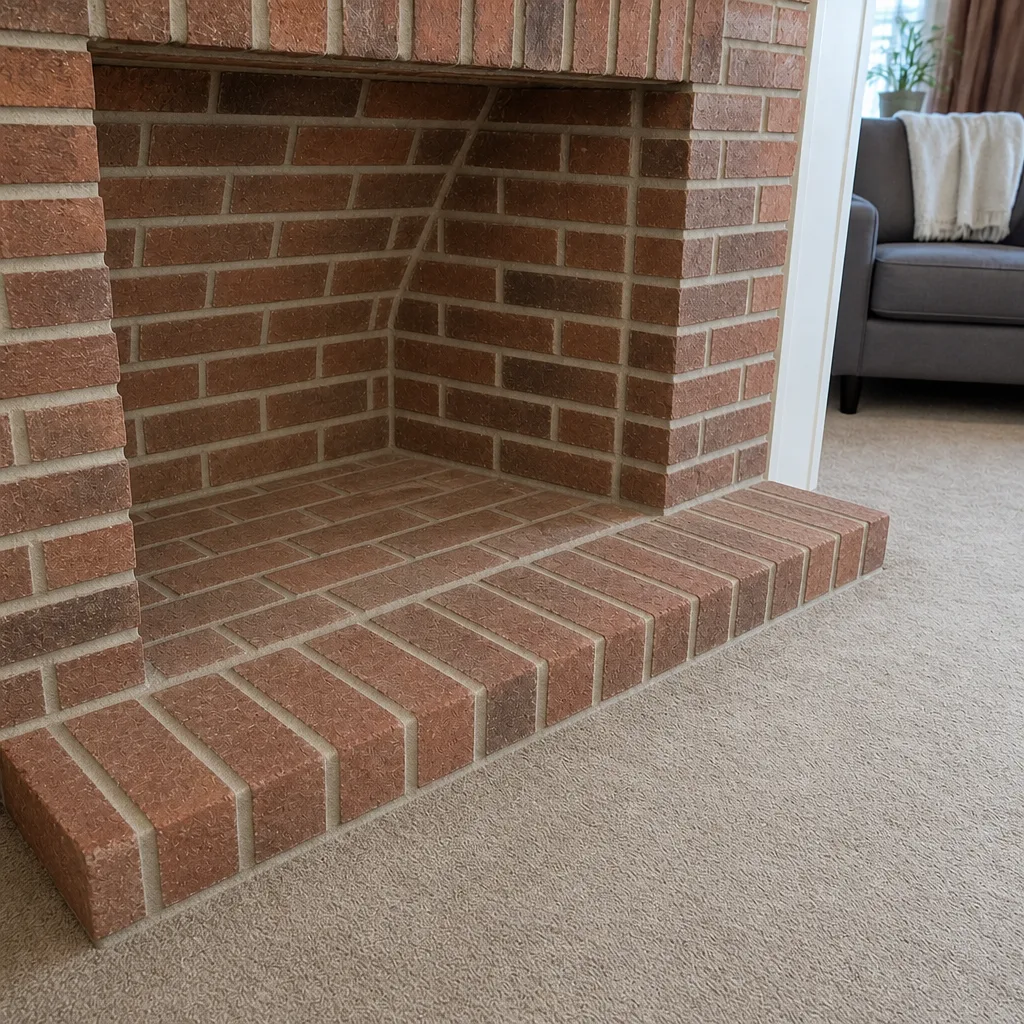
See the difference
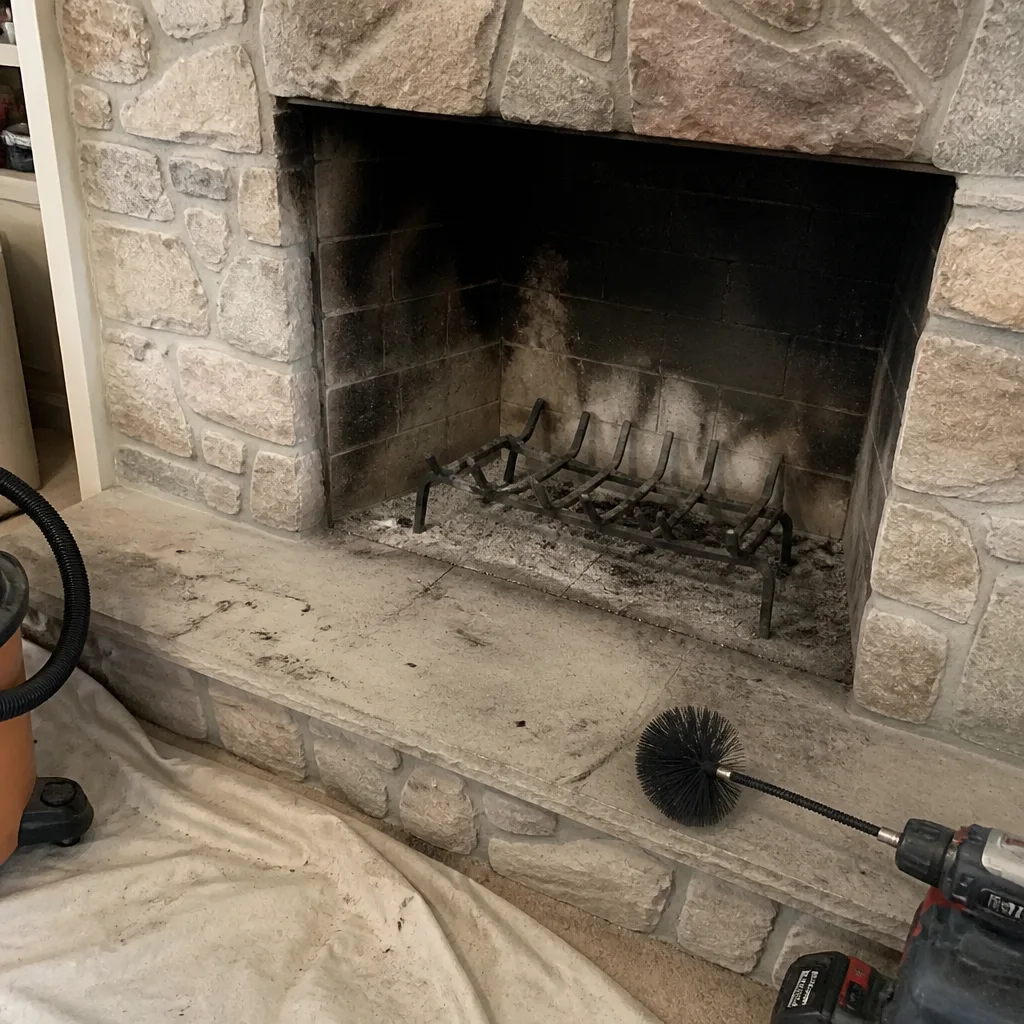 Before
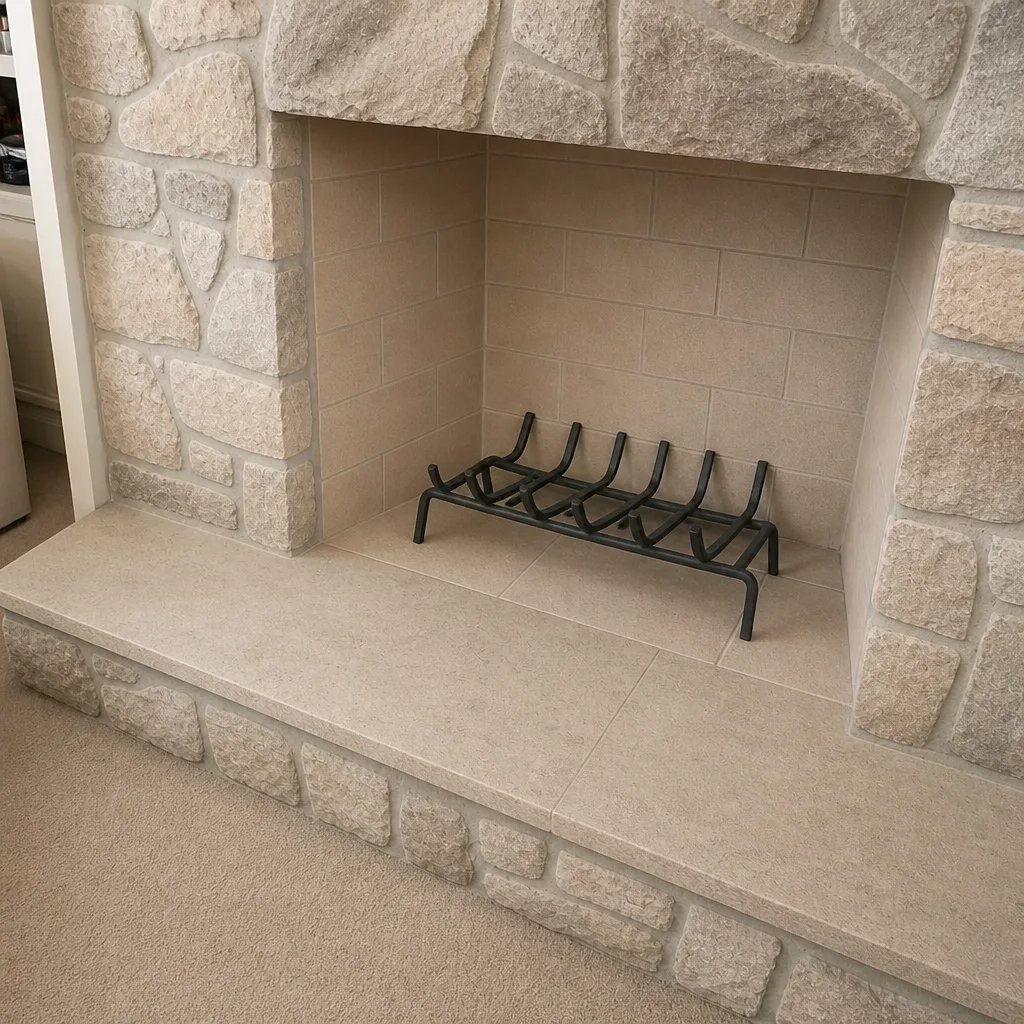 After
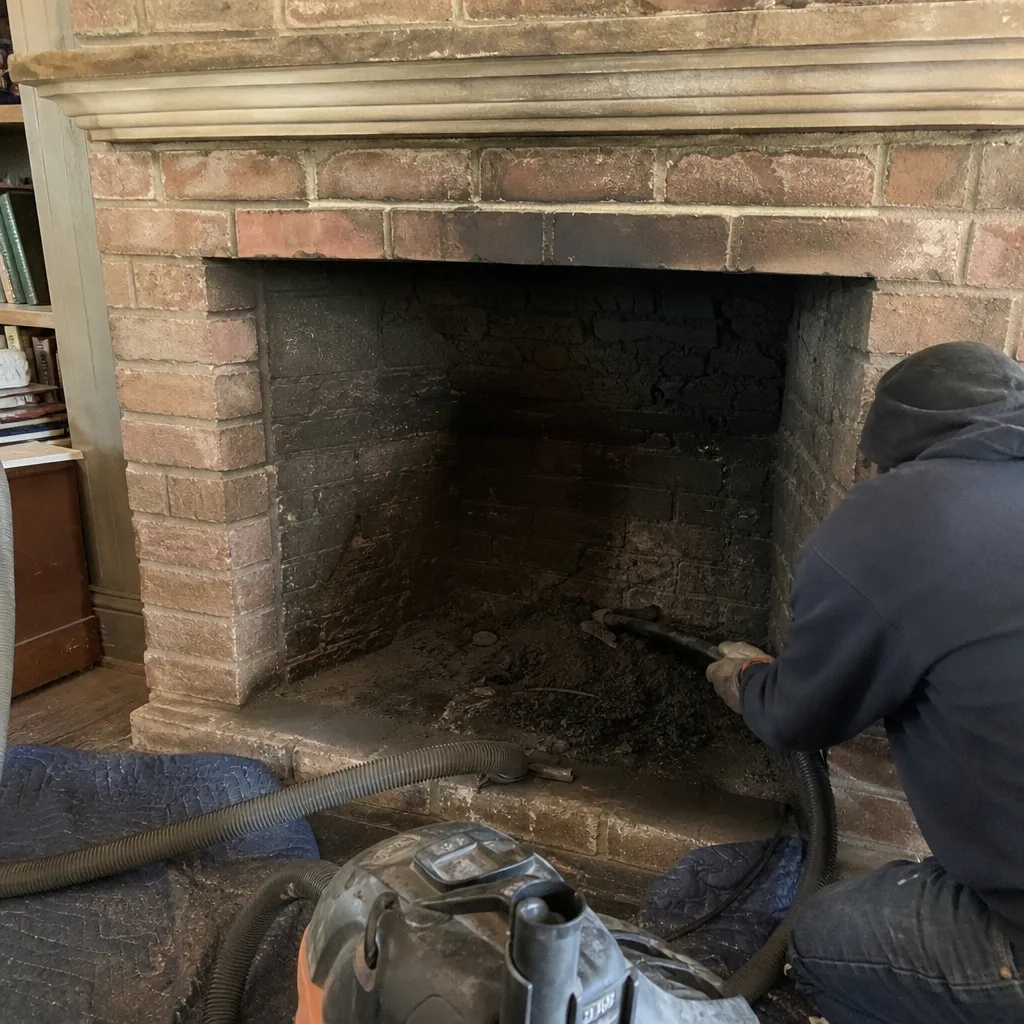 Before
 After
 Before
 After
When to Call a Professional
Call a professional when you see stage 3 glaze, when the firebox or flue shows cracked or crumbling masonry, when the cap or crown looks damaged, or when you’ve moved into a home and don’t know when the chimney was last cleaned. Call when a wood stove or insert has a smell or draft problem, when you burn gas and haven’t had the system checked, or when anything about the flue’s condition is uncertain from a visual look. And call before the burning season, not during it, so a booked sweep lands ahead of the cold snaps. Chimney Sweep Southlands offers free estimates in Southlands. Call (844) 443-4747. We answer 24/7. Fast dispatch from 7am to 7pm, Sunday through Friday. Nothing is recommended without camera evidence you can see for yourself, and we’ll tell you plainly when work can safely wait.
Frequently Asked Questions
You’ll get an exact price from a written estimate after the technician sees your system, because cost follows the system type, the amount of deposit, and whether repairs are needed. Sweeps are priced per job by estimate, and the written estimate is what sets the final price. Call (844) 443-4747 for an exact quote. Estimates are free.
At minimum once a season for most wood-burning homes, and more often if you burn intermittently with cool fires, which is the pattern that builds creosote fastest at Southlands elevation. Watch your firebox for glaze and efflorescence between sweeps, and have the system inspected before each burn season. Call (844) 443-4747 to book a sweep ahead of burning season. Estimates are free.
Not necessarily. A worn liner can sometimes be restored with flue resurfacing, such as HeatShield, rather than replaced outright, when conditions allow and the structure is sound. We won’t recommend either until the flue has been inspected and you’ve seen the photos. If resurfacing will hold, we’ll say so; if replacement is the safer path, we’ll show you why. Call (844) 443-4747 for a free estimate.
Creosote keeps building, and once it reaches glaze it’s harder to remove and raises the risk of a chimney fire. A blocked or compromised flue also affects how safely the system vents. A sweep and inspection catch these before they turn into structural repairs. Call (844) 443-4747 to get it on the calendar. Estimates are free.
Yes. Thinner air means cooler, less complete combustion, and cooler smoke deposits more creosote on a cooler flue, so the rule-of-thumb frequencies from lower altitudes run short here. Households that burn in short, intermittent bursts are the most affected. Book a sweep before the season and let the inspection tell you what your chimney actually needs. Call (844) 443-4747 for a free estimate.
We can, because we handle the full chimney system rather than just the cleaning. Cap and crown work addresses the two most common points of water intrusion, and it’s often the repair that prevents the bigger structural problems. The sweep and the inspection come first so the repair is matched to what the chimney needs. Call (844) 443-4747 for a free estimate.
The Bottom Line
Cleaning a chimney in Southlands is not a once-a-year box to tick; it’s a system-level habit that starts with understanding what your chimney has been doing between fires. The elevation, the cold snaps, and the intermittent burn season accelerate creosote here, so the calendar needs to flex with what your firebox shows. Cleaning, inspection, cap and crown work, liner restoration, and structural repair all belong to the same system, and a specialist should be able to read and service all of it. Have the sweep booked before burning season, watch your own firebox, and ask for the camera evidence.
Chimney Sweep Southlands is a dedicated chimney and fireplace specialist. Your chimney system, cleaned, inspected, and repaired by specialists who do nothing else. Call (844) 443-4747 for a free estimate. We answer 24/7. Fast dispatch from 7am to 7pm, Sunday through Friday.
Written by the team at Chimney Sweep Southlands.