
Last updated November 23, 2026
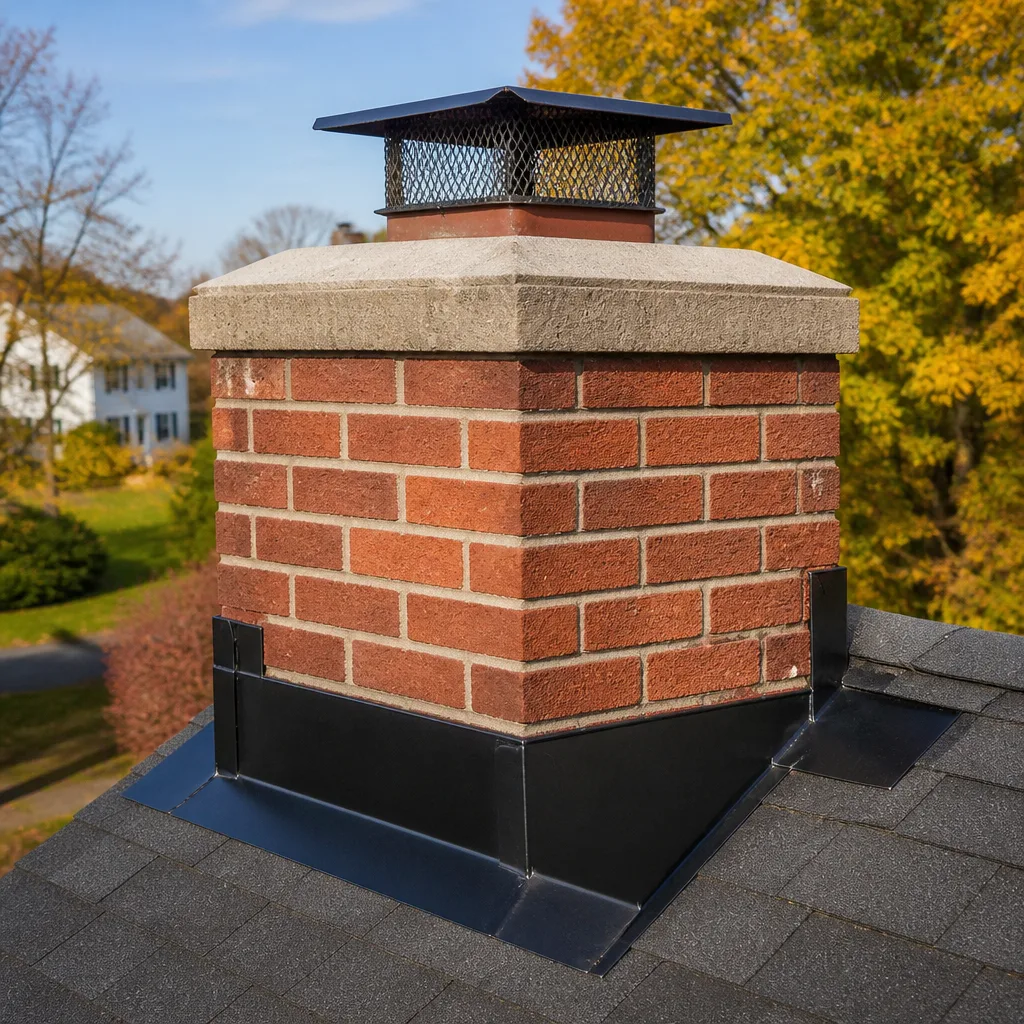 Sweep & inspection
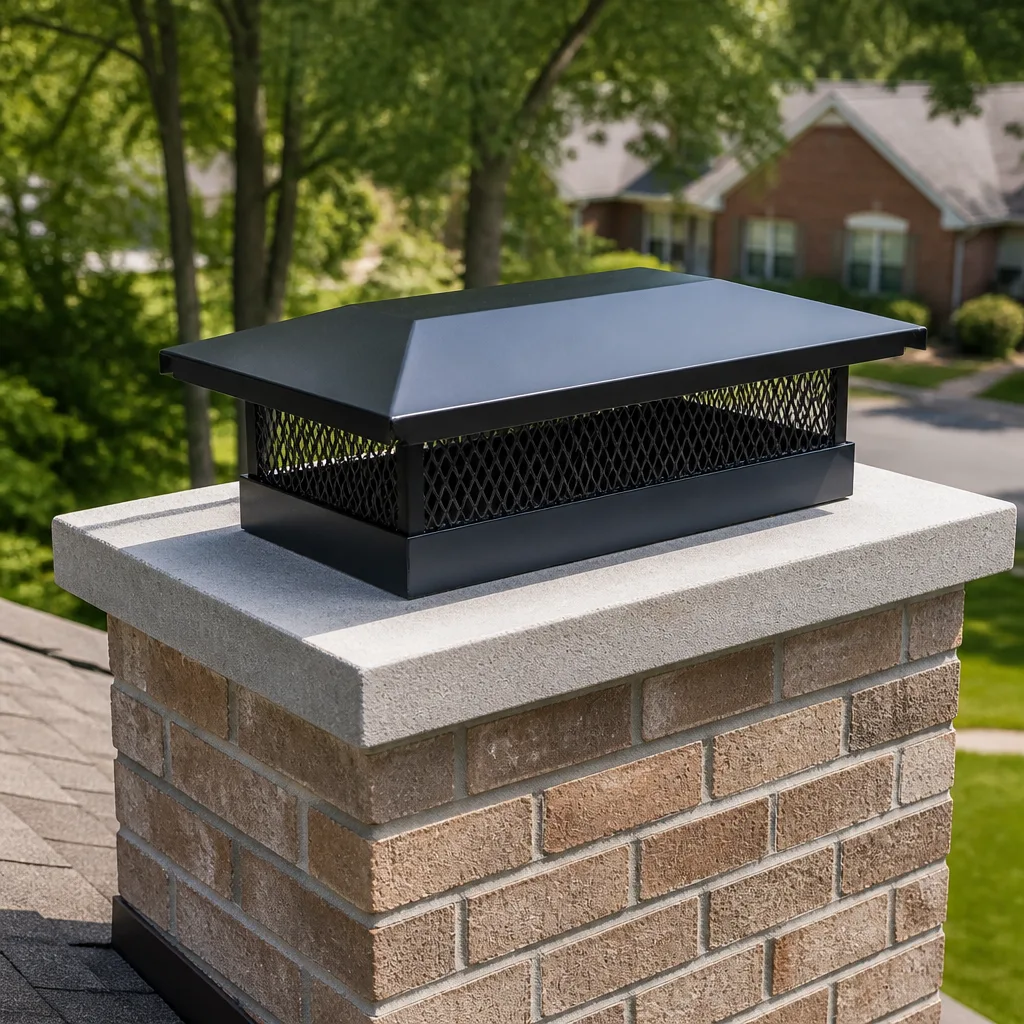 Caps & crowns
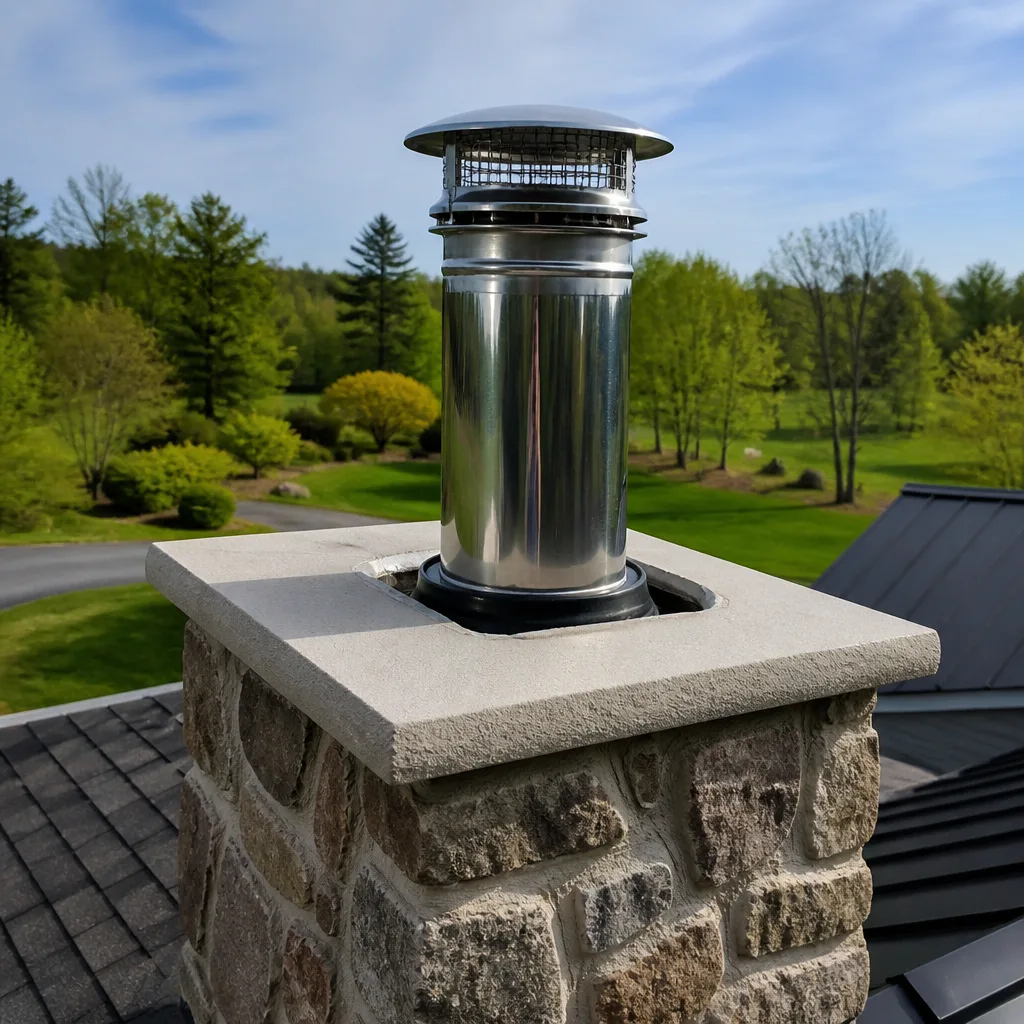 Flue relining
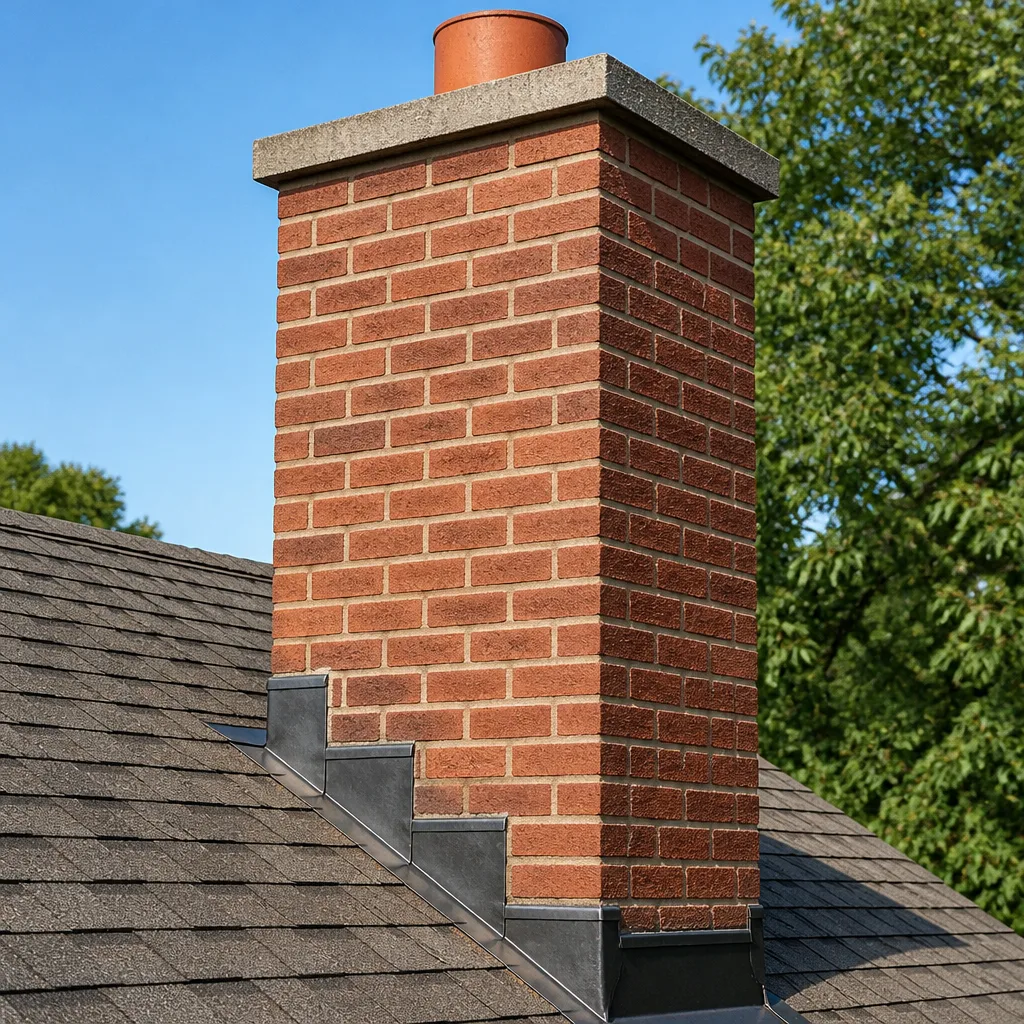 Masonry repair
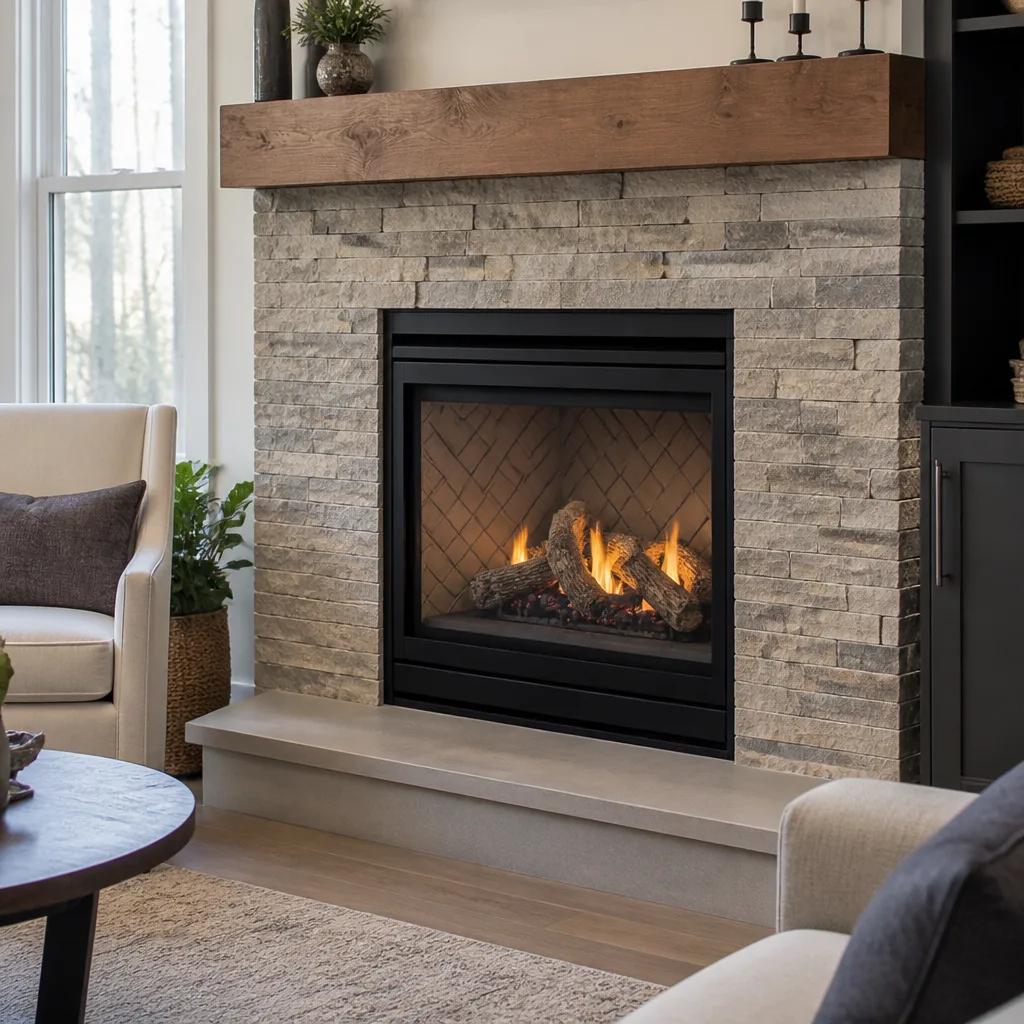 Gas fireplace service
Level 1 sweep and inspection to the NFPA 211 annual standard - flue, crown, cap, and flashing checked and photographed
Chimney sweep logs do not sweep chimneys. They loosen some creosote - which then falls where a brush and vacuum still have to collect it.
Chimney Sweep Troubleshooting in Southlands: Common Problems and How to Fix Them
A smoky living room usually isn’t a draft problem. In our experience, most backdraft complaints trace to flue sizing, blockage, or negative pressure inside the house, and a quick damper check won’t touch any of those. Homeowners in Southlands often spend a season adjusting the damper, cracking a window, or blaming the wood before anyone looks up the flue. This guide is built to change that: we’ll walk you through a symptom-to-cause diagnostic tree, show you which investigations are safe to do yourself, explain why our elevation makes standard sea-level draft advice misleading, and teach you to describe a problem so a sweep can diagnose it faster and more accurately on the first visit.
Quick Answer
Most chimney problems in Southlands fall into four root-cause buckets: draft and pressure failures, creosote or soot buildup, water intrusion through the cap or crown, and structural damage in the flue or masonry. Reading a symptom correctly means tracing it back through those buckets in order, not guessing at the part that seems most obvious. If you want a single rule to hold onto: a symptom rarely tells you the cause, but a symptom pattern usually does.
Styles & brands we work with
- Sweep & inspection
- Caps & crowns
- Flue relining
- Masonry repair
- Gas fireplace service
Table of Contents
- The symptom-to-cause diagnostic tree
- Why backdraft happens in Southlands
- How Southlands elevation changes draft calculations
- Creosote smell vs. masonry moisture smell
- Buildup, blockage, and slow ignition
- Staining, efflorescence, and what they tell you
- What’s safe to check yourself vs. what needs a camera
- How to document symptoms before you call
The Symptom-to-Cause Diagnostic Tree
Here’s the framework a certified sweep uses. You start with the symptom the homeowner reports, and you work inward to the flue until you find the compression point. The point is not to name a cause in the first two minutes; it’s to rule out the cheap answers before assuming an expensive one.
Run the symptoms in this order:
- Smoke entering the room, especially on startup. First check: is the flue cold? A cold flue has no upward draft yet. Second check: is the firebox larger than the flue can serve? Third check: is there negative pressure in the house from another exhaust source (bathroom fan, kitchen hood, clothes dryer)? If the room only smokes when another fan is running, you’ve found your cause without touching the chimney.
- Weak draw once the fire is established. First check: buildup on the flue walls restricting the cross-section. Second check: a partially closed or blocked damper. Third check: a flue interior that was sized for a different appliance than the one currently installed.
- Odor when the fireplace is not in use. First check: creosote or soot smell, which is sharp and tarry. Second check: masonry moisture smell, which is earthy and damp. The two lead to very different repairs, and we’ll cover them below.
- Slow ignition or difficulty keeping a fire lit. First check: wet wood. Second check: flue blockage from a bird nest, leaf mass, or a collapsed liner section. Third check: a flue that has lost its internal shape due to spalling.
- Water stains on the firebox, smoke chamber, or exterior masonry. First check: the cap. Second check: the crown. Third check: the flashing where the chimney meets the roof.
You’ll notice this tree doesn’t start with “call a sweep.” That’s deliberate. The first two checks on most symptoms are things you can safely observe in a few minutes without climbing anything or opening anything. Once you’ve run them, you’ll have a better description when you do call, and that description is what gets your chimney sweep in Southlands to the right diagnosis quickly.
For a full-service look at how the sweep itself fits into the diagnostic picture, see our page on a chimney sweep.
Why Backdraft Happens in Southlands
Backdraft is the most-misdiagnosed chimney symptom. Homeowners tend to blame the flue, but the flue is often doing exactly what its physics dictate. In most of the cases we see in Southlands, the appliance is fighting the house, not the chimney.
Three conditions drive backdraft:
- Negative pressure. A modern home is tight. A kitchen hood, a bathroom fan, or a dryer pulls air out of the house, and that air has to come in from somewhere. The chimney becomes the cheapest path for makeup air, and it flows down instead of up. If smoke enters the room only when an exhaust fan is on, this is your cause. Test by turning off the fan and relighting.
- Cold flue startup. A flue at exterior temperature has no draft. Warm air rises, cold air doesn’t, and on a cold morning that first match pushback is physics, not a defect. Pre-warming the flue with a rolled newspaper torch before the first log usually solves it. The flue fills with warm air, the draft reverses to correct flow, and the fire lights cleanly.
- Flue-to-firebox mismatch. A firebox opening that’s oversized for the flue the appliance feeds into produces a draft shortfall. This is a design problem, not a maintenance problem, and no amount of sweeping fixes it. The repair is a flue sizing correction, and in some cases a liner installation to bring the flue into balance with the appliance.
Southlands homes sit in a wind-shadow pattern that can make the third cause more visible at certain property orientations – the fire draws fine most days and smokes on gusty ones. If your symptom only happens on windy days, note that before you call. It changes the diagnosis.
How Southlands Elevation Changes Draft Calculations
Most online chimney guidance you’ll find is written at or near sea level. That guidance assumes a certain air density and calibrates draft expectations accordingly. Southlands sits well above sea level, and that matters for two reasons you can feel even if you can’t name them.
First, air is thinner at altitude. A given cubic foot of air weighs less, so the pressure differential that drives draft is smaller per inch of flue height. A chimney that drafts perfectly at 500 feet elevation may draft weakly at Southlands without any change to the flue itself. A sweep who is used to sea-level work will run a draft test, see a number that looks low, and recommend a liner. A sweep who works at Southlands elevation reads the same number as normal-for-location and looks elsewhere for the cause.
Second, the temperature differential between inside and outside air behaves differently at altitude. Cold snaps produce a sharper draft than you’d expect from sea-level charts, and mild shoulder-season days produce a weaker one. That’s why a Southlands chimney can feel like two different chimneys in the same month.
If you’re troubleshooting a draft problem yourself, use these benchmarks instead of relying on sea-level tables:
- Compare your chimney’s draw to itself across weeks and seasons, not to a sea-level expectation.
- Note the outdoor temperature and wind direction every time the symptom appears. Patterns matter more than single events.
- If you’ve recently changed appliances, that’s a new variable in the calculation. Mention it when you call.
- If someone recommends a liner based on a draft number alone, without correcting for elevation, get a second opinion.
We work with DuraFlex liner systems specifically because they hold consistent interior dimensions regardless of altitude, which makes draft calculation reliable in a way that older clay tile setups can’t guarantee once they start spalling. If a liner is genuinely needed, it’s the material we specify.
Creosote Smell vs. Masonry Moisture Smell
Both smells show up in the same season (early fall, or the first warm days after a long winter) and both get described the same way by homeowners: “the chimney smells.” They’re completely different problems, and the wrong repair makes the smell worse.
A creosote smell is sharp, acrid, and tarry. It’s the smell of the residue left inside the flue after a season of burning, and it becomes noticeable when warm weather arrives and the flue stops drawing. The fix is a chimney sweep: remove the creosote buildup, verify the flue is clear, and the smell goes with it. If the buildup is heavy or glazed, the sweep is followed by an inspection to check for damage under the deposit.
A masonry moisture smell is damp, earthy, and moldy. It’s the smell of water that has soaked into the masonry and is evaporating back out, or of active water intrusion that hasn’t dried. Symptoms cluster around it: chalky white staining on the exterior (efflorescence), rust on the damper or firebox grate, and a firebox that feels cold to the touch even when the weather hasn’t turned. The fix is not a sweep. It’s a moisture intrusion investigation, and the answer almost always starts at the top of the chimney.
Two points of intrusion account for most of the water we see in Southlands chimneys:
- The cap. A missing, detached, or undersized cap lets water straight into the flue. Rust streaks below the cap are the tell.
- The crown. The concrete at the very top of the chimney cracks with the freeze-thaw cycle in Southlands, and a cracked crown lets water run down the interior of the masonry where you can’t see it. By the time it reaches the firebox, the damage behind it is often substantial.
We install caps and rebuild crowns as a standalone service because of exactly this pattern. If your “chimney smell” is closer to damp than to sharp, ask about chimney cap & crown inspection before scheduling a sweep. It’s a different visit with a different goal.
Buildup, Blockage, and Slow Ignition
Slow ignition – fires that take longer than they should to catch and fires that die without sustained attention – has three common causes, and they escalate in order of cost.
Wet or poorly seasoned wood is cause number one. Before assuming a chimney problem, try a batch of properly dry, split, and stored wood. If the fire catches normally, the chimney is fine and the wood was the problem. Wood moisture meters are cheap and tell you more than any visual check.
Creosote buildup in the flue is cause number two. Even moderate deposit restricts the flue’s cross-section and drops draft. A glazed or heavy deposit is a fire hazard, not just a performance nuisance. Creosote at the stage where it’s shiny and hard to remove is the stage the chimney fire risk is highest, and sweep-only work may not clear it – a rotary sweep or chemical treatment is usually needed, followed by inspection to verify the flue wall is intact underneath.
Structural blockage is cause number three. Bird nests, leaf mass, a collapsed clay tile section, and detached liner sections all reduce draft the same way. These are the cases that require a camera inspection before anyone can tell you what’s inside. Nobody, sweep or homeowner, can diagnose a blockage inside a flue by looking up from the firebox.
If you have slow ignition and you’ve ruled out wet wood, you have a chimney problem worth scheduling. There’s no safe do-it-yourself next step once wet wood is off the table.
Staining, Efflorescence, and What They Tell You
Every stain on a chimney means something specific. Read them like a chart.
- White, chalky, powdery stain on exterior masonry. Efflorescence. Water has traveled through the masonry and is evaporating on the surface, leaving salts behind. It’s cosmetic on the outside and a strong signal of active water intrusion somewhere else. Check the crown and the cap first.
- Brown or rust-colored streaks below the cap. Metal corrosion from water running down the flue liner or the damper. The cap or the crown is the entry point.
- Dark, tarry streaks on the firebox face or the top of the firebox opening. Backdraft. Smoke has been escaping into the room rather than up the flue, and it deposits on the coolest surface it reaches. The fix is the backdraft investigation above, not the cosmetic removal.
- Grey streaks on the interior of the chimney breast above the firebox. Usually soot drawn from a poor draft, and less commonly a sign of a flue leak behind the masonry. If you see it, camera inspection is warranted.
- Green or black staining near the crown or on nearby copper. Water draining through the masonry and pulling growth along with it. Crown and cap inspection is the starting point.
Stains don’t lie, but they don’t complete the story. They point to where to look, and a sweep follows the trail inside the flue from there.
What’s Safe to Check Yourself vs. What Needs a Camera
Some diagnostic steps are safe for any homeowner. Others concern a genuinely dangerous part of the system and should be left to a trained professional. This is the line, and it’s not blurred.
Safe to check yourself:
- Turn on each exhaust fan in the house one at a time and see which one triggers a backdraft symptom.
- Note the outdoor temperature and wind direction when a symptom appears.
- Try a batch of dry wood when slow ignition is the symptom.
- Look up into the firebox with a flashlight to see obvious soot, rust, or debris on the damper.
- Photograph any stains, cap damage, or crown cracks from the ground or a ladder you’re fully comfortable on, staying well below roofline height.
- Check your wood moisture with a meter.
Requires a trained professional:
- Anything inside the flue itself. The interior is where the diagnosis happens, and it can only be reached with proper cameras.
- Anything that involves the damper, the smoke chamber, or the firebox throat beyond visual observation. Cracks in those areas can let heat through masonry in ways that aren’t visible from the room.
- Any roof-level work at all. Getting onto a chimney crown requires working at height on a sloped roof, and the crown’s condition can’t be judged from the ground.
- Any test that involves lighting a fire in a flue in unknown condition. A flue with heavy creosote or a damaged interior is a chimney fire risk, not a diagnostic opportunity.
A camera inspection is the difference between “the flue looks fine” and knowing what’s inside it. Our technicians have up to 14 years of experience examining flues with camera equipment precisely because the visible portion of the system tells you very little about the interior. When we recommend a liner, a resurfacing, or a repair, we show you the camera footage alongside it. Nothing is recommended without visual evidence you can see for yourself.
If camera footage reveals a damaged flue that needs restoration, we use HeatShield – a certified flue-resurfacing system that restores the interior in cases where the existing liner is still structurally adequate underneath. It’s a real alternative to a full liner replacement when conditions allow, and it’s not a service most sweep-only providers can offer. When the flue is beyond resurfacing, we install with DuraFlex flexible liner systems.
How to Document Symptoms Before You Call
Here’s something we think is underused: the descriptive quality of the call directly affects the accuracy of the diagnosis on the first visit. A poorly described symptom becomes a series of visits. A well-described one often resolves in one.
Use this pre-call checklist:
- Name the symptom in a phrase. “Smoke backdraft on startup” is a symptom. “The chimney is broken” is not. The phrase tells the sweep which diagnostic branch to start on.
- Time it. Does the symptom appear on startup, mid-burn, or after the fire dies? Those are different causes.
- Weather. Note outdoor temperature, wind direction, and whether it’s raining when the symptom appears. This is the single biggest lever in Southlands, given the elevation interaction we described.
- House conditions. Note whether any fans, hoods, or dryers are running at the time. This isolates the negative-pressure cause.
- Smell type. Sharp and tarry, or earthy and damp. Those lead to different visits.
- Visible evidence. Photograph stains, cap damage, and crown cracks. Even cell phone images from a safe distance help a sweep know what to bring.
- Appliance history. Note any new appliance, any change in wood source, any change in the firebox grate. Those are new variables.
- Prior work. Note any liner installation, crown work, or resurfacing done in the past. It changes the diagnostic starting point.
You won’t need all eight for every call. You’ll need the first three usually, and the rest for anything that doesn’t resolve after a sweep. But when you have the list, our diagnostic triage tells you what the visit should cover before you’ve paid for anything more than a sweep.
Common Mistakes to Avoid
- Assuming every smoky fire is a draft problem. It’s often a negative-pressure problem from the house, and no amount of flue work fixes it. Try the exhaust fan test before booking a service visit.
- Treating a creosote smell and a moisture smell as the same problem. A sweep fixes the first. A cap and crown inspection fixes the second. Confuse them and the smell returns within weeks.
- Reading the interior of the flue from the firebox. You can see the bottom foot. You can’t see the middle, which is where most blockages and damage live. This is what camera inspection exists for.
- Climbing onto the roof to “check the crown.” The crown sits at the highest, most exposed point of the roofline, and inspecting it means working at height on a slope. Leave it to a technician; the diagnostic value doesn’t justify the fall risk.
- Using sea-level draft expectations on a Southlands chimney. A perfectly functional flue at this elevation can read “low draft” against sea-level charts. Cross-check any diagnostic against local experience before accepting a repair recommendation.
- Skipping a batch of dry wood. It’s the cheapest diagnostic test you can run, and wet wood produces the same slow-ignition symptom as a restricted flue. Rule it out first.
- Ignoring efflorescence. Chalky white staining on exterior masonry is water doing damage you can’t see from outside. The earlier the cap and crown get inspected, the less masonry repair follows.
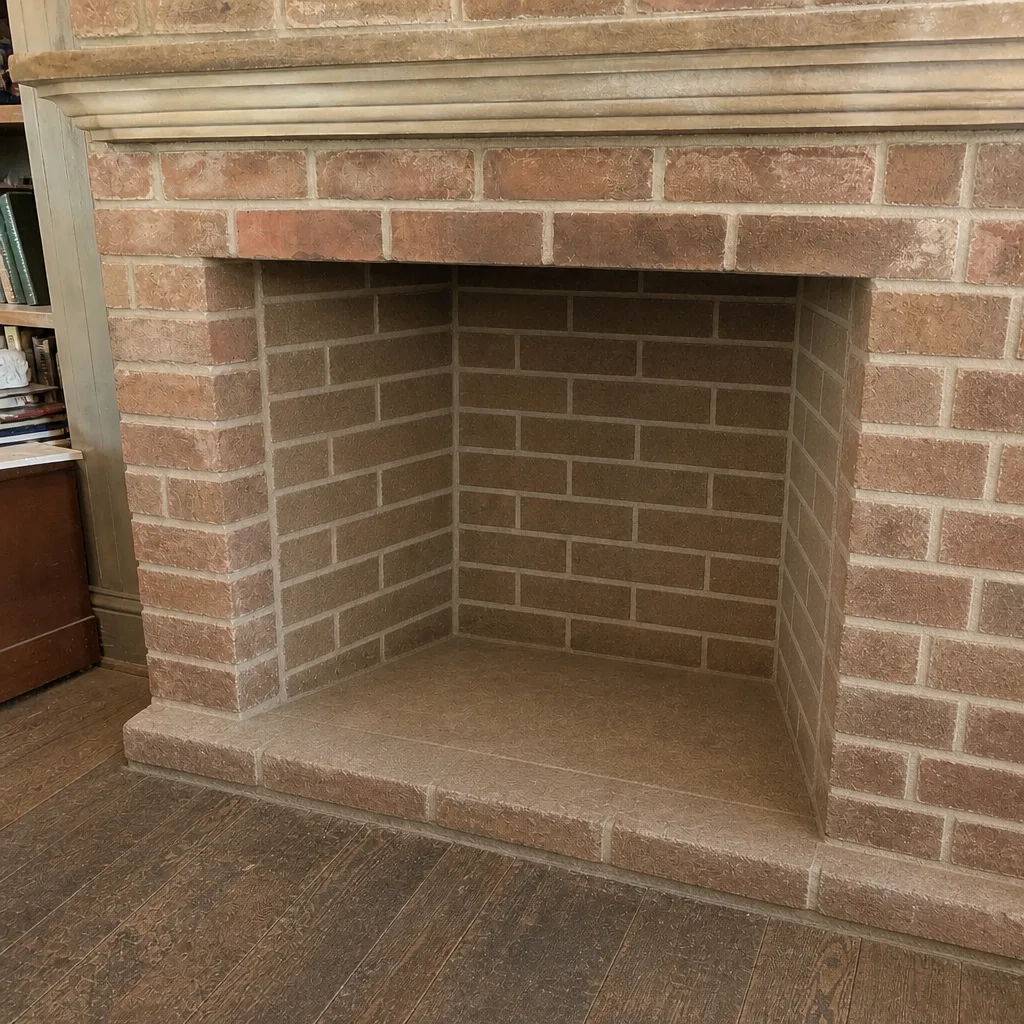
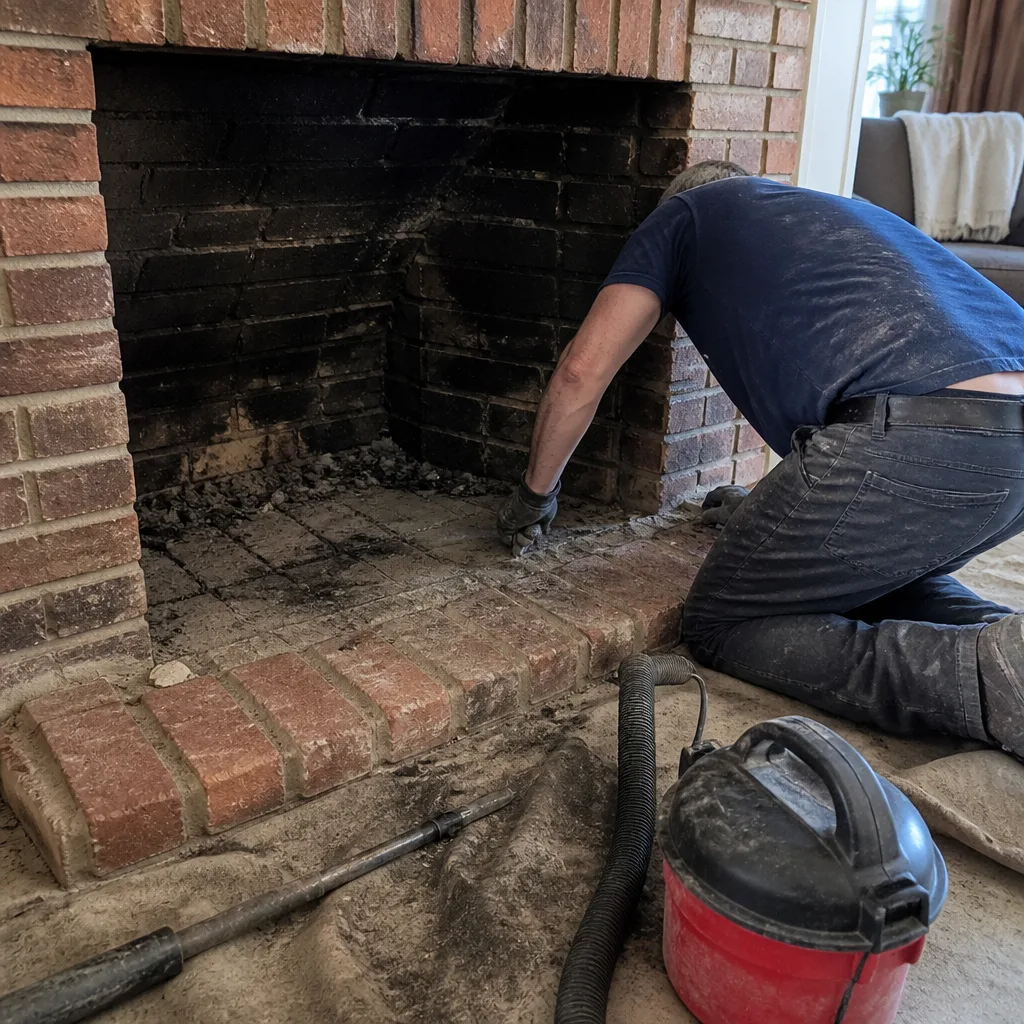
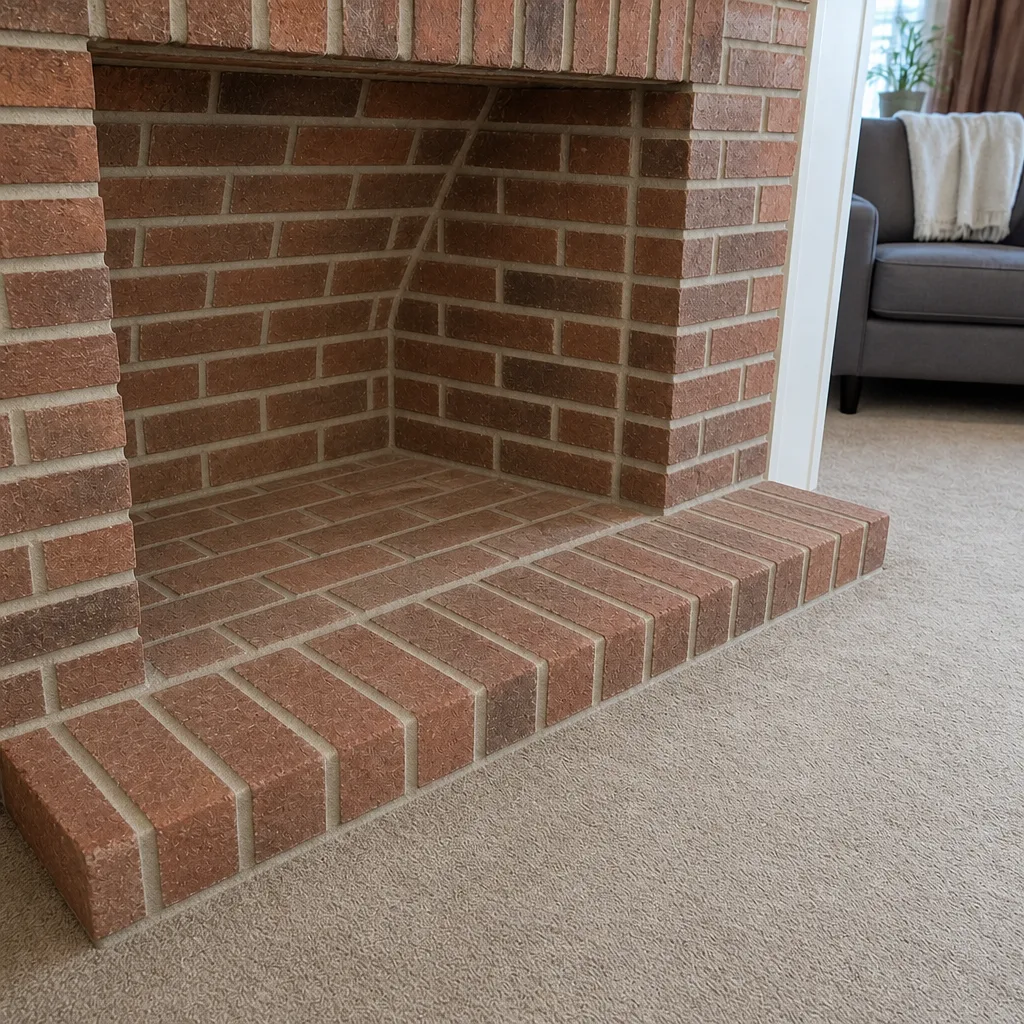
See the difference
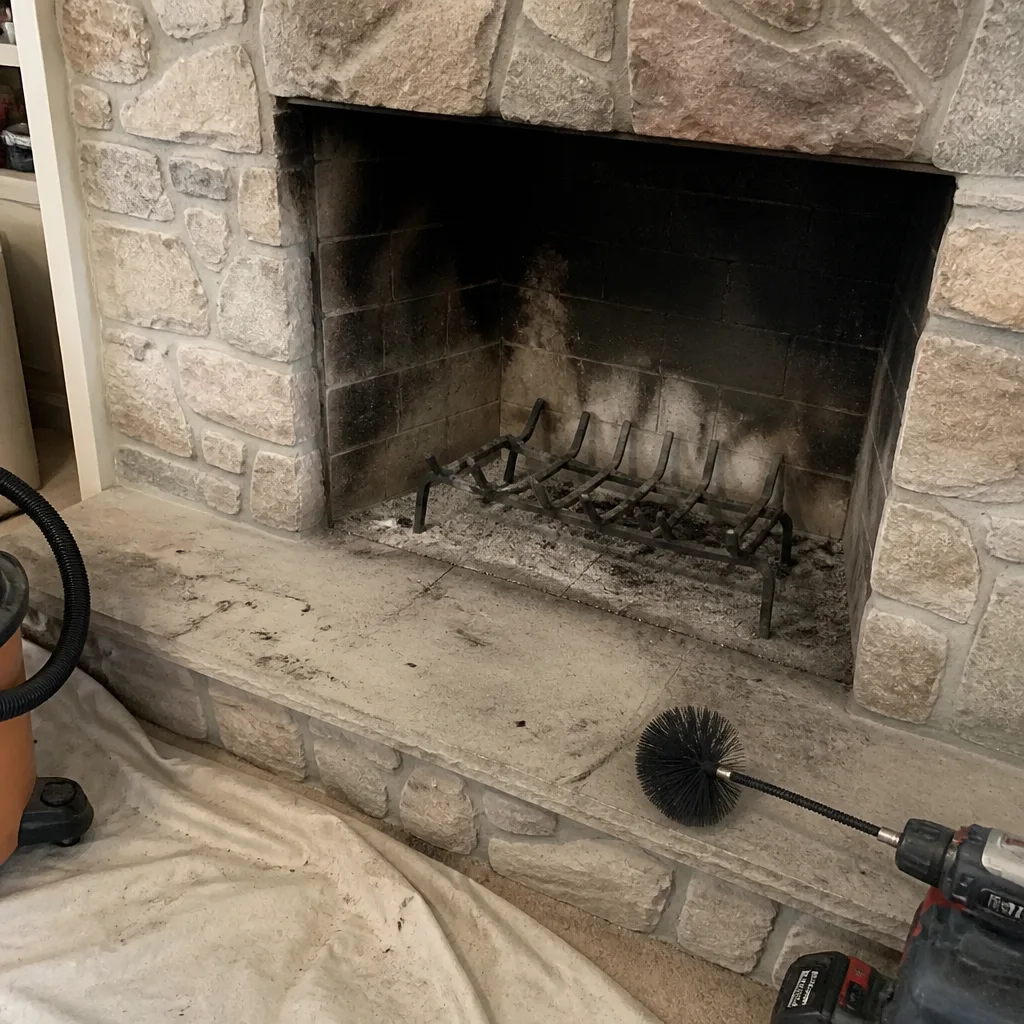 Before
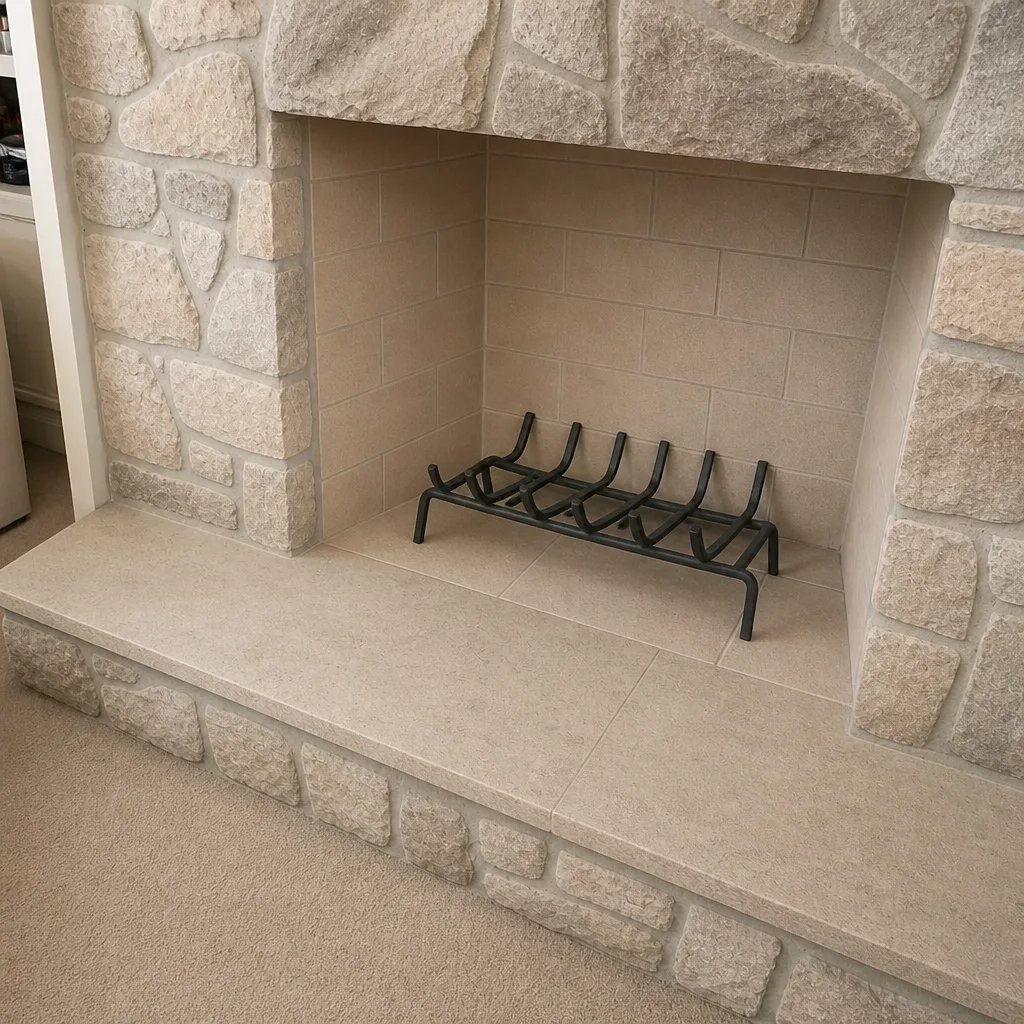 After
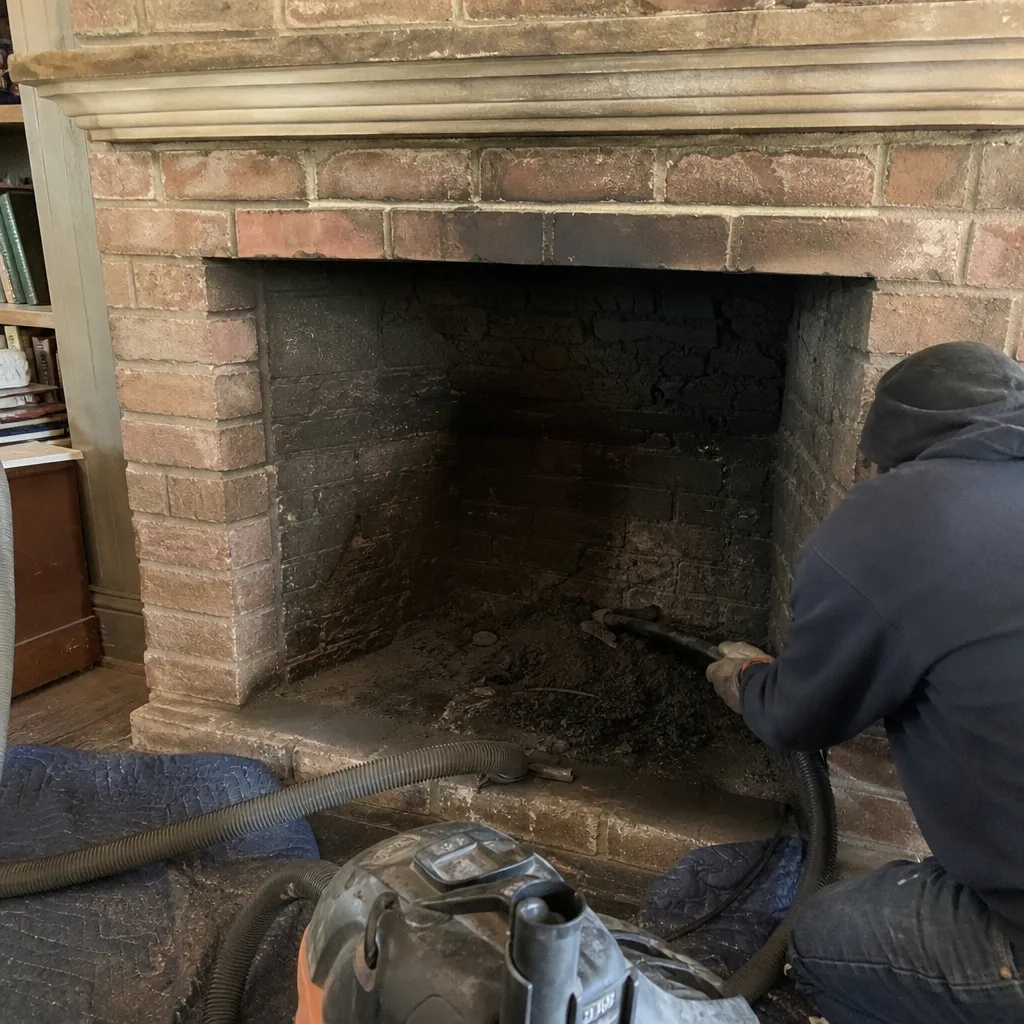 Before
 After
 Before
 After
When to Call a Professional
Call a professional whenever the diagnosis requires going inside the flue, working at roof height, or lighting a fire in a flue whose interior condition is unknown. Those three conditions cover the vast majority of chimney problems that don’t resolve on the outside checks above. Also call if you’ve had a chimney fire, a chimney fire event (even a small one), or a strong burn that produced dense smoke in the firebox – those need inspection before the next fire, without exception. If your fireplace has been unused for a long season, an inspection before relighting is worth the visit; the system has sat through a full Southlands freeze-thaw cycle since it was last used. A sweep-only visit resolves most buildup and blockage problems. Structural, liner, and cap-and-crown work is where a specialist provider saves you a handoff to a second contractor mid-project. Chimney Sweep Southlands offers free estimates in Southlands – call (844) 443-4747. We answer 24/7. Fast dispatch from 7am to 7pm, Sunday through Friday.
Frequently Asked Questions
Smoke entering the room on startup is almost always one of three causes: a cold flue that hasn’t begun drafting, negative pressure from another exhaust fan in the house, or a flue that’s undersized for the firebox. Start by running each exhaust fan in the house one at a time and see if any of them coincides with the smoking. Then pre-warm the flue before lighting. If neither resolves it, it’s time for a sweep. Call (844) 443-4747 – estimates are free.
Not usually on its own, but the smell is telling you something the system needs. A sharp, tarry smell is creosote buildup and warrants a sweep. A damp, earthy smell is water intrusion and warrants a cap and crown inspection. Neither smell alone indicates a fire hazard, but heavy creosote left unaddressed is a hazard and the risk grows through the season. Call (844) 443-4747 for an exact quote on a diagnostic visit – estimates are free.
Because air density and temperature differential behave differently at this elevation than at sea level, and most online guidance assumes sea level. A flue that drafts fine in cool weather can feel weak in the shoulder season and unusually sharp in a cold snap. This isn’t a defect; it’s the local physics. A sweep familiar with Southlands elevation reads draft tests accordingly, which is why it matters who you call in. Call (844) 443-4747 to schedule a diagnostic visit – estimates are free.
If the symptom points to buildup, a sweep will probably resolve it. If the symptom points to a blockage, a damaged interior, or a draft problem that hasn’t responded to a sweep, you need camera inspection to know what’s actually inside the flue. Nobody can diagnose the middle of a flue by looking up from the firebox. Our technicians bring camera equipment to every inspection we run, and the footage is shared with you so you can see what we see. Call (844) 443-4747 to schedule – estimates are free.
Creosote smells sharp, acrid, and tarry. Masonry moisture smells damp, earthy, and moldy. They’re different problems with different fixes, and confusing them is the most common diagnostic mistake we see. Creosote resolves with a sweep. Moisture resolves with a cap and crown investigation and any masonry repair that follows. Call (844) 443-4747 to schedule the right visit – estimates are free.
Yes, some of it. Checking whether an exhaust fan triggers the symptom, trying dry wood, photographing stains and cap damage from the ground, and noting weather patterns are all safe and genuinely useful. Anything that involves going inside the flue, climbing onto the roof, or lighting a fire in a flue of unknown condition is not safe and needs a trained professional. Call (844) 443-4747 if you’d like help distinguishing which applies – estimates are free.
The Bottom Line
Symptoms lie. Patterns don’t. The smoky room that looks like a draft problem is often a house-pressure problem. The “chimney smell” that looks like a creosote problem is often a cracked crown. And a draft reading that looks low on sea-level charts is often normal for Southlands elevation. Troubleshooting a chimney well means working the symptom tree in order, ruling out the cheap causes before assuming an expensive one, and knowing the line between a safe do-it-yourself observation and roof-level or flue-interior work that a trained professional should handle. Document what you see, describe it in the terms above, and use the diagnostics from there to book the right visit the first time. From the firebox to the crown, we service every part of the system – and we show you the evidence before we recommend any repair.
Call (844) 443-4747 for a free estimate. We answer 24/7. Fast dispatch from 7am to 7pm, Sunday through Friday.
Explore the full range of services at Chimney Sweep Southlands, from fireplace repair to chimney cap & crown work and everything in between.
Written by the team at Chimney Sweep Southlands.