
Last updated November 23, 2026
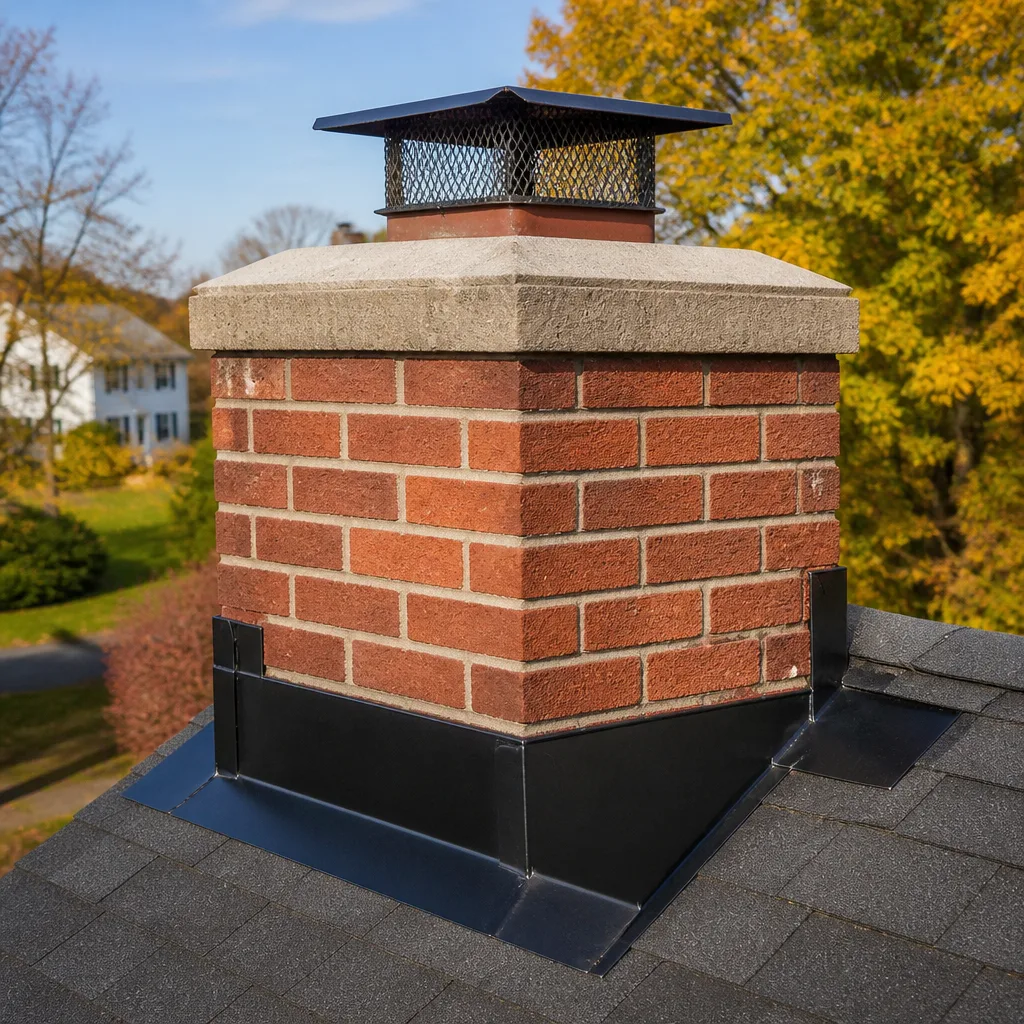 Sweep & inspection
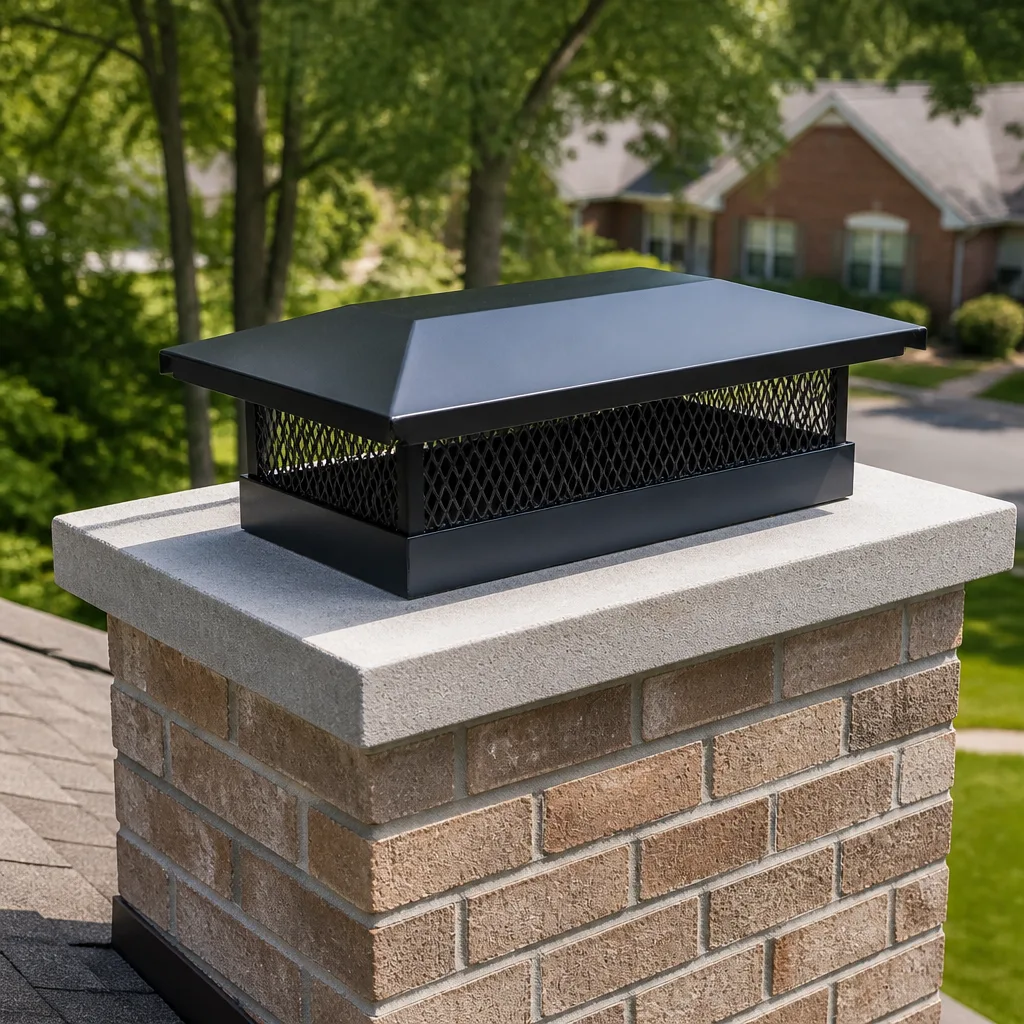 Caps & crowns
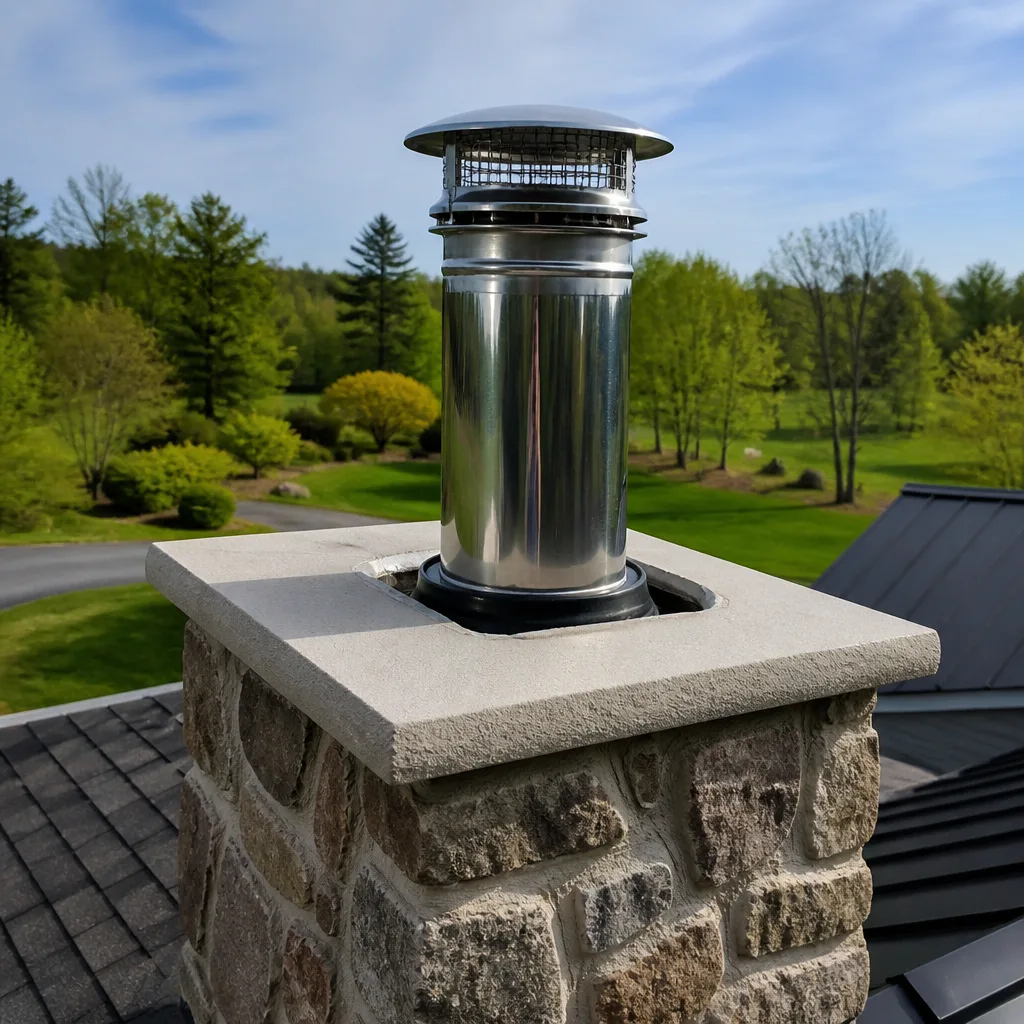 Flue relining
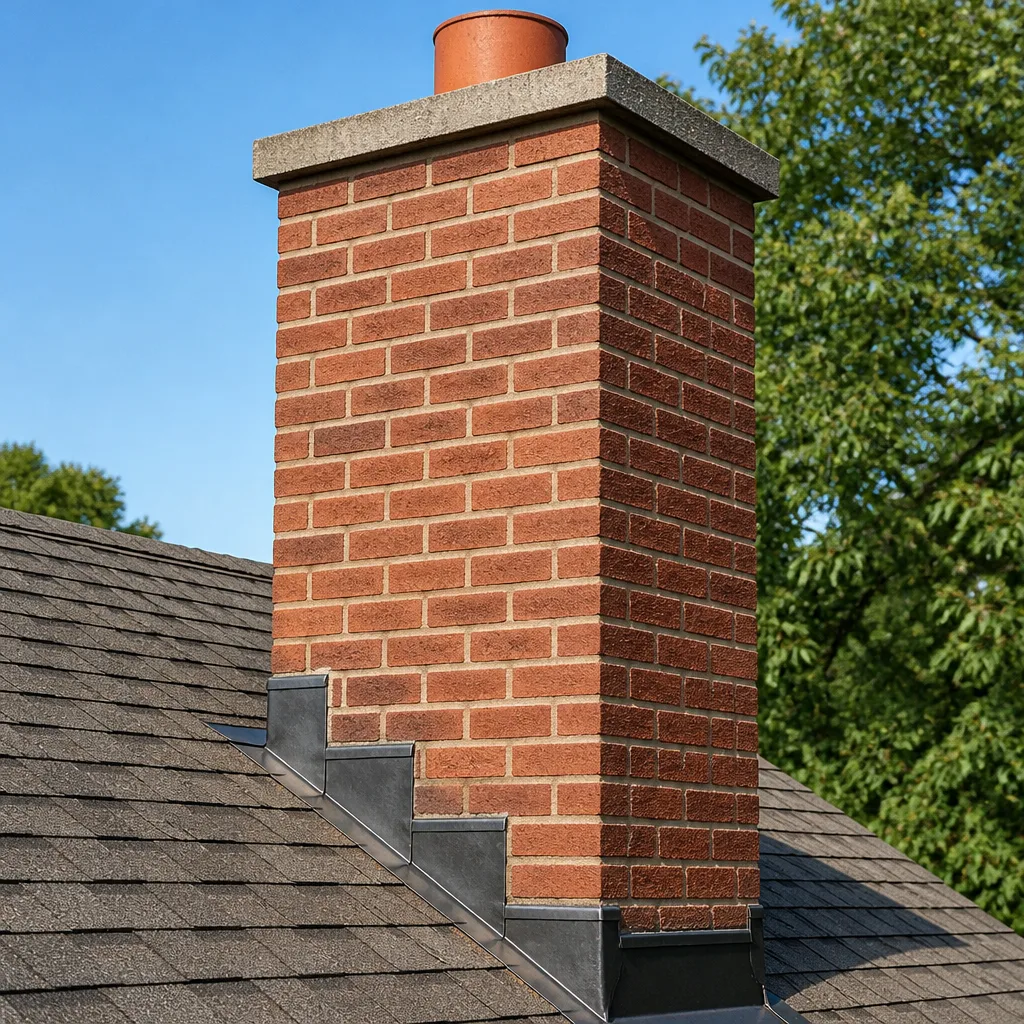 Masonry repair
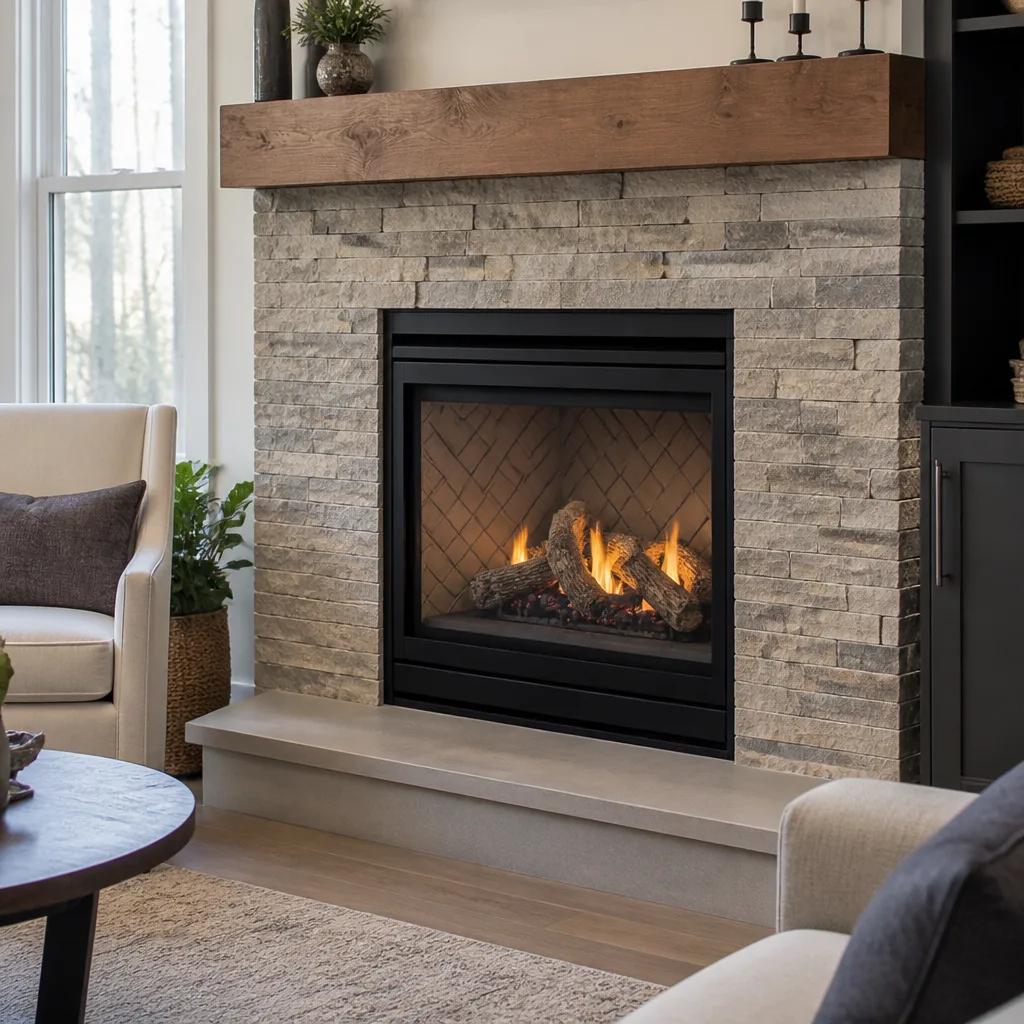 Gas fireplace service
Level 1 sweep and inspection to the NFPA 211 annual standard - flue, crown, cap, and flashing checked and photographed
Chimney sweep logs do not sweep chimneys. They loosen some creosote - which then falls where a brush and vacuum still have to collect it.
Chimney Cleaning Cost Breakdown: The Southlands Homeowner’s Reference for 2026
Here’s the part of chimney pricing nobody puts in the ad: a $79 sweep coupon usually reflects a business model, not a service. That low number gets a technician through your door with a flashlight and a plan to sell you add-ons once he’s inside, and the final invoice often lands well above what a transparent specialist would have quoted you upfront. We see the other side of this all the time in Southlands, where homeowners call us after a “cheap” sweep turned into a four-figure conversation they never saw coming. A proper sweep is a specific piece of work with specific components, and once you understand those components, you can read a quote instead of just comparing digits. This guide breaks down what chimney cleaning actually costs in Southlands in 2026, what drives the price up or down, and how to tell a real quote from a sales pitch.
Quick Answer
A standard chimney sweep with a Level 1 inspection in the Southlands market typically runs $185 to $325 in 2026 for a single-flue wood-burning chimney, with the price climbing when there’s heavy creosote, a second flue, or difficult roof access. That figure should include the sweep, a visual inspection of accessible portions of the system, and a written report; if a quote doesn’t mention inspection or documentation, it isn’t the same job. The written estimate you receive before work begins is what sets your final price, not the number in an ad.
Styles & brands we work with
- Sweep & inspection
- Caps & crowns
- Flue relining
- Masonry repair
- Gas fireplace service
Table of Contents
- What a Standard Sweep and Level 1 Inspection Should Cost in Southlands
- What Legitimately Changes the Price of a Sweep
- The Cost of Common Repair Findings
- How to Read a Chimney Quote
- The Long-Term Cost Math of Deferred Sweeping
- How Often Should a Southlands Chimney Be Swept?
- What to Check Yourself and What to Leave Alone
What a Standard Sweep and Level 1 Inspection Should Cost in Southlands
In 2026, a proper standard sweep and Level 1 inspection for a single-flue wood-burning chimney in Southlands typically costs between $185 and $325. That range reflects a real job: protecting your floors and furnishings, brushing the flue from top to bottom, cleaning the firebox and smoke shelf, vacuuming with a HEPA system, and inspecting the accessible parts of the system before handing you written findings. It’s not a fifteen-minute visit.
The reason the range spans that wide comes down to line items. Here’s what justifies a fair price in this market:
- Roof access and setup. Some Southlands homes have steep pitches, long flues, or precarious roof transitions that require more time and care. A straightforward roofline is quicker and cheaper to work than a complicated one.
- HEPA vacuum and containment. Professionally contained sweeping means no soot plume through your living room. That equipment isn’t free, and it isn’t optional on a clean job.
- Level 1 inspection. This is a visual check of the firebox, damper, flue, and accessible exterior portions. It’s included in any honest quote. If a provider charges it as an extra, that’s a flag.
- Written documentation. A real report tells you what was found, not just that the job is “done.”
Southlands sits in a high-plains climate with cold, dry winters and a long heating season, which means chimneys here see steady, concentrated use from late fall through early spring. That pattern matters for pricing because heavier creosote loads take longer to clear. A properly equipped chimney sweep accounts for that load in the quote instead of discovering it mid-job and renegotiating.
If a quote comes in well below this range, ask what’s bundled in and what isn’t. Sometimes the answer is honest and the job is genuinely simple. Sometimes the number is a teaser. Our technicians have up to 14 years of experience and have seen both; the difference usually shows up on the invoice.
What Legitimately Changes the Price of a Sweep
Not every chimney sweeps the same. Several variables can move a Southlands quote up or down, and understanding them helps you spot a fair price from a padded one.
Flue height and roofline
A taller flue takes more time to brush and more care to access. A one-story home with an easy roof transition is faster to service than a two-story with a steep pitch and multiple roof planes. Accessibility is a legitimate cost variable, not an excuse.
Appliance type
Wood-burning fireplaces and stoves generate the most creosote, so they typically sit at the higher end of the range. Gas and multi-fuel appliances create different deposits and require different handling. The appliance in your Southlands home shapes the job before the technician ever climbs the ladder.
Creosote stage
Creosote comes in stages, and the stage determines the labor. Light, flaky first-stage creosote brushes away in a straightforward sweep. Glazed, hardened third-stage creosote is a different job entirely, often requiring chemical treatment and follow-up visits. That’s why identifying the stage during a prior inspection saves money long term.
Number of flues
A single-flue chimney is the baseline. A masonry chimney with two or three flues serving separate fireplaces takes proportionally more work. Quotes should specify how many flues are being serviced, so you know exactly what you’re paying for.
Obstructions and condition
Bird nests, leaves, or a partially collapsed flue tile all add time and complexity. Southlands sits in open plains country, and prevailing winds push airborne debris toward rooflines. A cap in good repair keeps most of it out, which is why we install and service chimney cap & crown components as a standalone line of work.
Each of these variables is a real cost driver. What shouldn’t appear as a surprise line item on the final invoice is anything that could have been identified and quoted upfront. That’s the difference between a professional estimate and a bait-and-switch.
The Cost of Common Repair Findings
A sweep clears the flue. The inspection that follows often surfaces repairs, and knowing typical 2026 Southlands ranges for those repairs helps you budget instead of getting blindsided. The figures below are typical estimates, not fixed prices; the written estimate sets the final cost.
- Chimney cap replacement: typically $250 to $650. A cap keeps water, animals, and debris out of the flue, and it’s the single most cost-effective piece of prevention in the system.
- Crown repair or replacement: typically $350 to $900 for repair, more for full replacement. The crown is the concrete top of the masonry chimney, and it’s the first line of defense against water intrusion.
- Smoke chamber parging: typically $400 to $950. The smoke chamber is the sloped transition above the damper, and rough surfaces there collect creosote and slow the draft.
- Flue liner relining: typically $1,800 to $4,500 depending on flue length and liner type. A failed liner is a serious finding; it protects the surrounding structure from heat and byproducts of combustion.
- Firebox repair: typically $500 to $1,500. Cracked firebox panels and mortar joints allow heat and gases into the surrounding masonry.
Two of those repairs come up more than any others in our experience. The crown and the cap are where water gets in, and water causes more chimney damage over time than fire does. We install HeatShield flue resurfacing, a proprietary liner restoration system that can restore a damaged flue without full liner replacement when conditions allow; it’s a specialist option that sweep-only services can’t offer. When a full liner is the right answer, we install DuraFlex flexible liner systems, an industry standard for retrofitting existing masonry chimneys.
The key point: none of these repairs should be recommended on a hunch. A proper inspection includes camera documentation you can see for yourself, and any recommendation should be tied to evidence in that documentation. When work can safely wait, we say so.
How to Read a Chimney Quote
Comparing chimney quotes by dollar figure alone is a mistake, because the numbers may not cover the same work. A $150 quote and a $300 quote might be a fair price and an overprice, or they might be two entirely different jobs. Here’s how to read a quote properly.
- Check whether inspection is included. A Level 1 visual inspection should be part of every sweep. If it’s a separate line item, ask why.
- Ask what documentation you receive. At minimum, you should get written findings. Video or camera evidence of the flue interior is a stronger standard, especially when repairs are being recommended.
- Confirm flue count. The quote should state how many flues are being swept. A chimney with two flues priced as one is a red flag.
- Look for a defined finish point. A proper quote says the job ends with the sweep, the inspection, and a written report. It shouldn’t leave room for open-ended add-ons once the technician is inside.
- Ask about brand and material specification for any repair. Repairs should be quoted with professional-grade materials in mind, not commodity parts from a big-box shelf.
- Get the final price in writing before work begins. The estimate you receive is what sets your final cost.
In Southlands, we’ve seen enough confusing quotes to know the pattern: the ones built to obscure scope are the ones that grow. A quote that clearly names each task is a quote you can compare fairly. Working with a dedicated chimney specialist instead of a generalist who sweeps on the side also means the inspection, repair, and documentation don’t get handed to a second contractor mid-project.
The Long-Term Cost Math of Deferred Sweeping
Skipping a sweep doesn’t save the cost of that sweep. It front-loads a much larger bill, and the sequence plays out predictably.
Year one of deferred sweeping leaves a modest creosote layer. Year two or three, humidity and reduced draft cause that layer to bake and glaze, moving from a light brushable stage to glazed third-stage creosote. At that point a standard sweep won’t clear it. What was a routine job becomes stage 3 creosote remediation, with chemical treatment and follow-up visits pushing cost well past every sweep you skipped combined.
The next step in the sequence is often liner damage. Creosote is corrosive, and heat from repeated fires stresses a liner over time. When the liner fails, you’re looking at relining, which typically runs $1,800 to $4,500. And when a liner failure allows water or heat into surrounding masonry, structural repair follows, and that’s the most expensive category of all.
There’s also the safety dimension. Creosote is highly combustible, and a heavy buildup is one of the leading causes of chimney fires. Carbon monoxide is a real risk whenever the flue is compromised or the draft is poor. This isn’t scare language; it’s a plain description of why the sweep exists. Southlands has cold enough winters that fireplaces see heavy use, and that concentrated season is exactly where deferred maintenance adds up fastest.
The math is simple when you look at it as a sequence: a routine sweep every year costs far less than one liner replacement, and a liner replacement costs far less than structural repair plus full restoration. The sweep is the cheapest line in the whole history of the system. See our Chimney Sweep Southlands page for how routine maintenance fits into a longer plan.
How Often Should a Southlands Chimney Be Swept?
The general industry guideline is to have the chimney swept and inspected once per year, and to sweep sooner if creosote buildup reaches roughly an eighth of an inch. In Southlands, where the heating season runs long and cold, once a year is the working standard for most wood-burning households.
That said, the frequency depends on how you use the fireplace:
- Light, occasional use: an annual sweep and inspection is still the right schedule, because a small fire’s worth of creosote still accumulates over a season.
- Frequent, hot fires through a long winter: annual is a floor, not a ceiling. Heavy use can justify a mid-season check.
- Older or unburned appliance: a first-year inspection is essential if you don’t know the chimney’s service history, before the heating season begins.
- Recent repairs or liner work: an inspection after the first full season confirms the repair is performing.
The best time to book a sweep in Southlands is before the cold sets in and the calendar fills. This is a seasonal planning question, not an emergency one; a sweep that’s scheduled ahead of burning season is a comfortable visit, while one booked after a problem shows up is often a more expensive one. The new year is a natural moment to put it on the calendar for 2026.
What to Check Yourself and What to Leave Alone
A homeowner can and should keep an eye on a few things without climbing anything. You can check the firebox for obvious cracks, look at the damper opening and closing, confirm no birds or debris are visible near the top of the firebox, and notice whether smoke rolls back into the room when you build a fire. Those observations help a technician understand what’s going on before the visit.
What we don’t recommend is any hands-on work inside the flue or on the roof. Chimney structure involves height, and a fall risk from a steep pitch or a weak roof section is a genuine safety concern. Creosote itself is corrosive and combustible, and disturbing a heavy load without proper containment can spread it. Electrical and gas components on any appliance need the same caution: leave those to a trained professional. Checking the exterior of the crown and cap from the ground with binoculars is fine; getting up on the roof to inspect them is not a job for a homeowner without professional fall protection.
A specialist’s job is to find problems before they become expensive, which is why camera inspection and photo documentation are part of how we work. We also handle fireplace repair as part of the same visit, so a finding doesn’t mean a separate call and a separate contractor.
Common Mistakes to Avoid
- Chasing the lowest advertised price. A $79 coupon is a business model, not a service. Ask what the price includes and whether an inspection and report are part of it. If the answer is vague, keep looking.
- Treating “inspection included” as a checkbox. Ask whether the inspection is a Level 1 visual check and whether you get written or photo findings. An inspection without documentation is hard to act on.
- Skipping a year because the fireplace “seemed fine.” Creosote and liner damage build invisibly. Southlands winters are cold enough that the fireplace sees real use, and a slow buildup doesn’t announce itself through symptoms until it’s advanced.
- Ignoring the cap and crown. These are the two most common points of water intrusion in a chimney, and water does more long-term damage than most people expect. A small cap repair now prevents masonry damage later.
- Assuming a sweep service can also do repairs. A generalist who sweeps on the side may still hand you off to another contractor for liner and structural work. Look for a specialist who covers the whole system, from the firebox to the crown.
- Accepting a repair recommendation without evidence. You shouldn’t have to take a big-ticket repair on faith. Ask to see the camera evidence. If the provider can’t show it, get a second look.
- Booking too late in the season. In Southlands, fall calendars fill quickly. Scheduling before burning season, or in the new year for the coming winter, avoids the crunch.
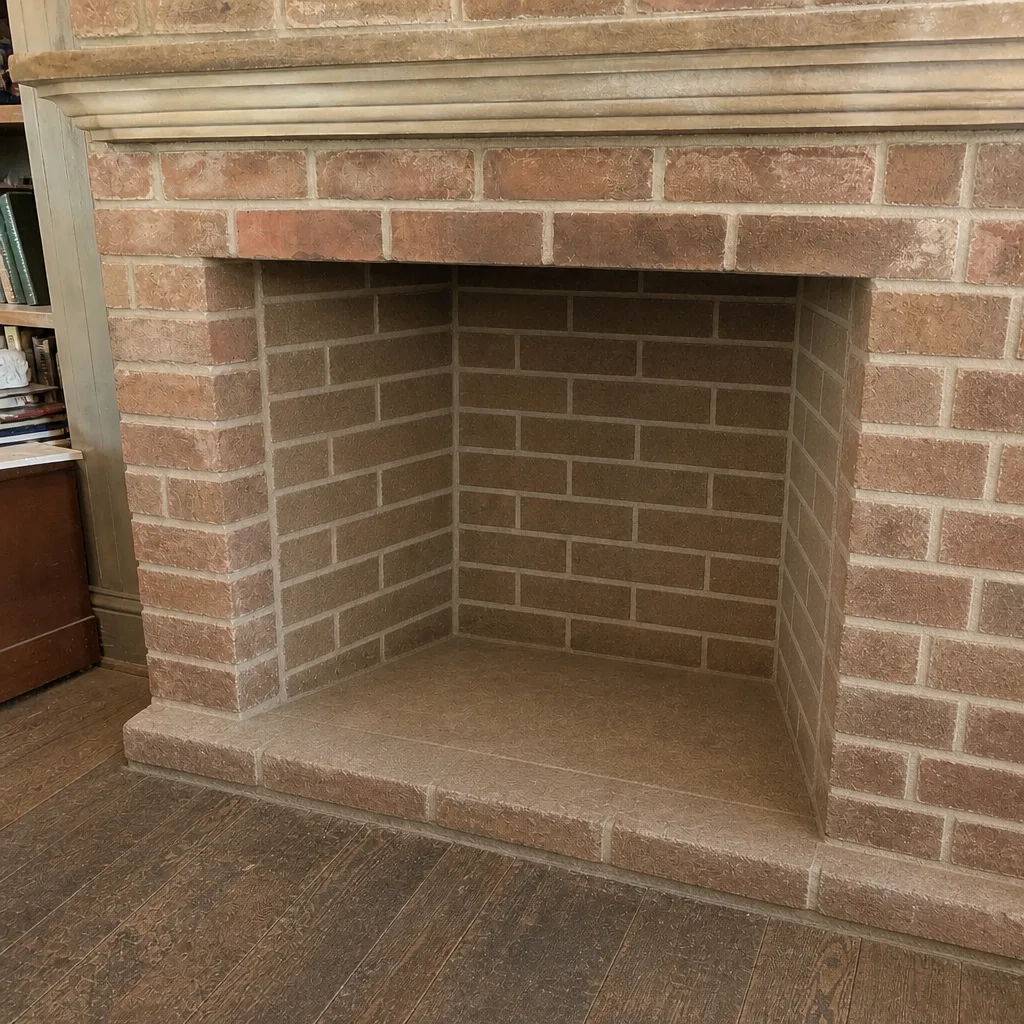
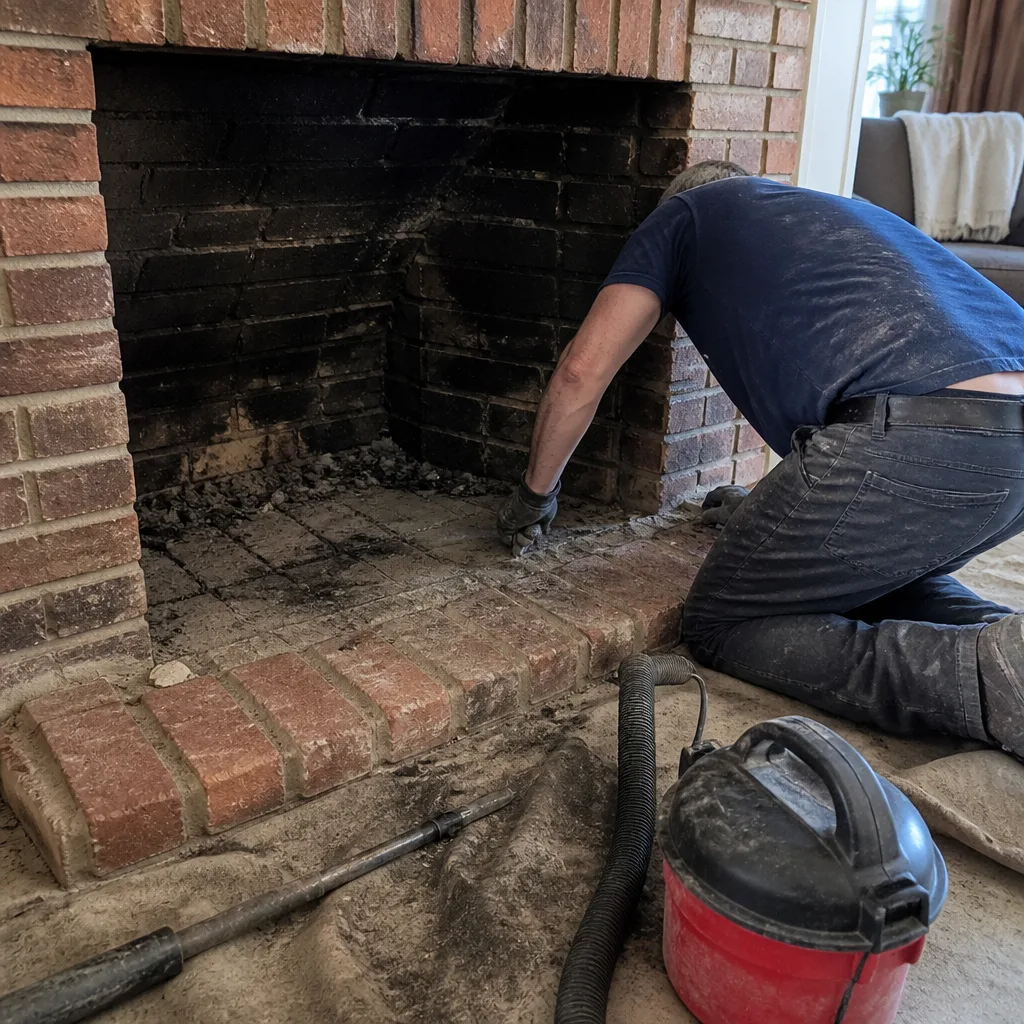
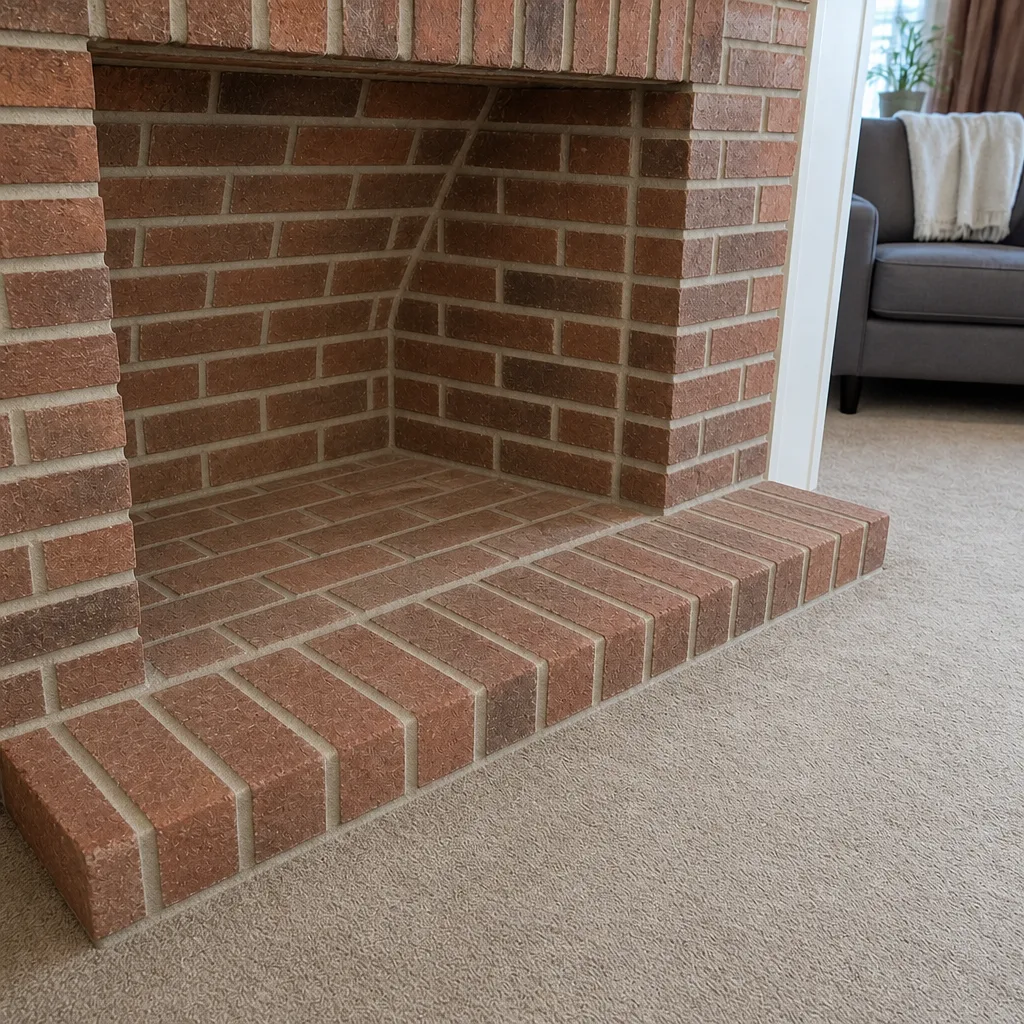
See the difference
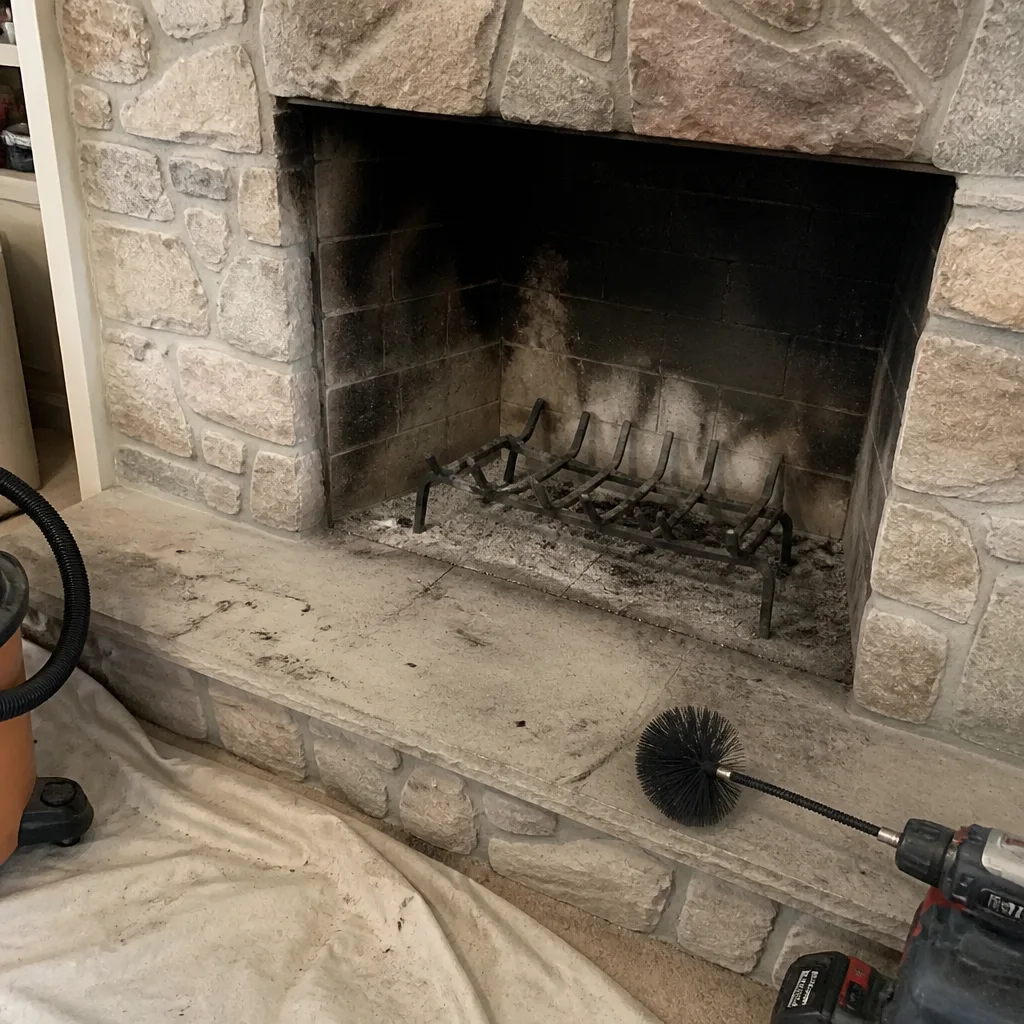 Before
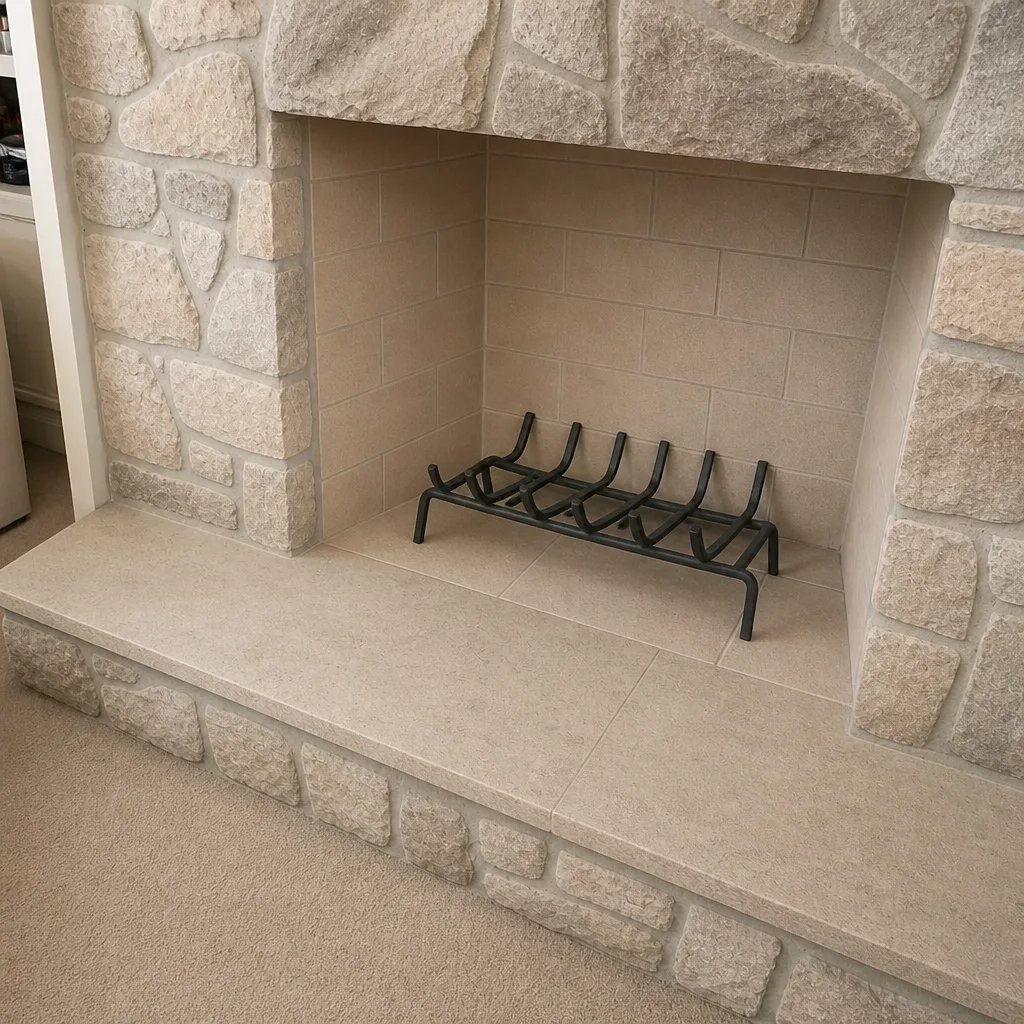 After
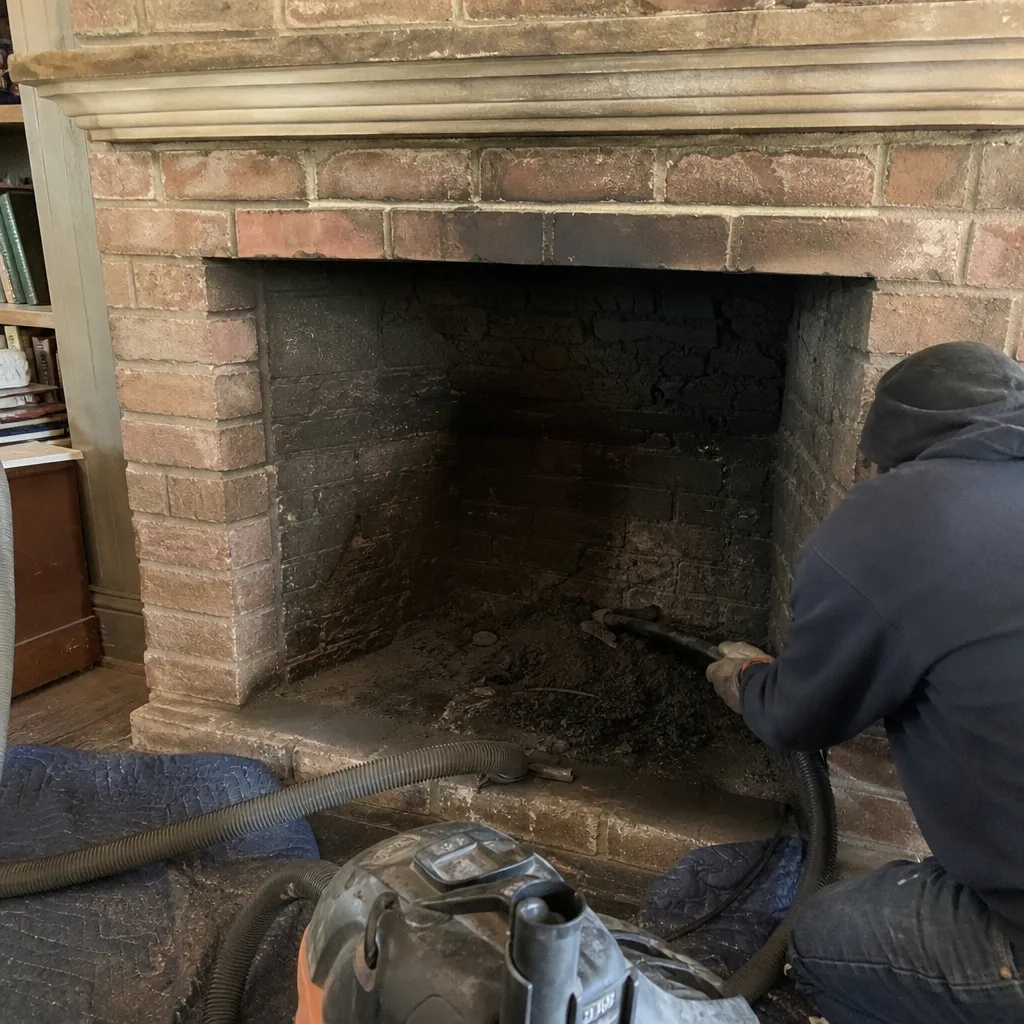 Before
 After
 Before
 After
When to Call a Professional
Call a professional anytime something in the system looks, smells, or sounds wrong. Specific triggers in Southlands: smoke rolling back into the room when you light a fire, a strong creosote smell even when the fireplace is cold, visible cracks in the firebox or masonry, water staining on the chimney exterior, a cap that’s loose or missing, or an annual sweep you’ve skipped for more than a year. Also call if you’ve never had the chimney inspected and don’t know its history, and definitely call if you notice signs of a past chimney fire, like cracked flue tiles or a strong puffy creosote load. These aren’t phone-a-friend situations; they’re inspection calls. Chimney Sweep Southlands offers free estimates in Southlands, and the local pros we connect you with are licensed and insured as their state requires; call (844) 443-4747 to book a look. We answer 24/7, with fast dispatch from 7am to 7pm.
Frequently Asked Questions
A standard sweep with a Level 1 inspection for a single-flue wood-burning chimney in Southlands typically costs $185 to $325 in 2026, with the price set by the written estimate before work begins. Additional flues, heavy creosote, or difficult roof access raise the figure. Call (844) 443-4747 for an exact quote, with a flat-price sweep agreed before booking.
A liner replacement is necessary when the existing liner has failed, cracked, or deteriorated to the point where it no longer protects the surrounding structure. A specialist should show you camera evidence of the failure before recommending relining, and HeatShield flue resurfacing is sometimes a valid alternative to full replacement when conditions allow. If nobody shows you the evidence, ask. Call (844) 443-4747 to have your flue evaluated, and you’ll see the findings for yourself.
Once per year is the standard, and sooner if creosote buildup reaches dangerous levels. In Southlands, where the heating season is long and cold, annual sweeping and inspection is the working recommendation for wood-burning households. Call (844) 443-4747 to schedule before burning season and avoid the fall crunch.
Creosote accumulates, glaze forms over time, and the deposit becomes harder and more expensive to remove; at the same time, the corrosive load stresses the liner and the risk of a chimney fire rises. The result is that a routine sweep becomes stage 3 remediation or a liner replacement, which costs far more. Call (844) 443-4747 for a quote on a routine sweep now, before the problem compounds.
A fair quote includes the sweep itself, a Level 1 inspection, HEPA-contained cleanup, and a written report of findings. It should state how many flues are being serviced and what documentation you’ll receive, including camera evidence if repairs are recommended. The written estimate sets the final price. Call (844) 443-4747 for a free estimate with no surprises added later.
We can work with your insurer on covered chimney repairs, though coverage decisions vary and are up to the insurer. The local pros we connect you with are licensed and insured as their state requires, and we document findings with camera evidence that helps with a claim. Call (844) 443-4747 to talk through what your job needs.
The Bottom Line
Chimney cleaning costs in Southlands spread widely because the quote is only meaningful when you can see what’s inside it. A fair 2026 sweep and Level 1 inspection runs $185 to $325 for a single-flue wood-burning system, and that price should include inspection, containment, and written documentation. Beyond the sweep, the real budget questions are the crown and cap (water intrusion), the smoke chamber, and the liner, which together represent the repairs that matter most. Reading a quote means confirming what’s included and asking to see evidence before you agree to a repair. And the long-term math is stark: annual sweeping is the cheapest line in the entire system, and deferring it is what turns a routine visit into a relining bill. Chimney Sweep Southlands is a dedicated specialist, working with professional-grade brands including DuraFlex, HeatShield, Gelco, and Copperfield, and covering the sweep, inspection, repair, and cap and crown work under one roof. Get the straight answer before the season arrives.
Call (844) 443-4747 for a free estimate. We answer 24/7. Fast dispatch from 7am to 7pm, Sunday through Friday. The written estimate sets your final price, and nothing gets recommended without evidence you can see for yourself.
Written by the team at Chimney Sweep Southlands.