
Last updated November 23, 2026
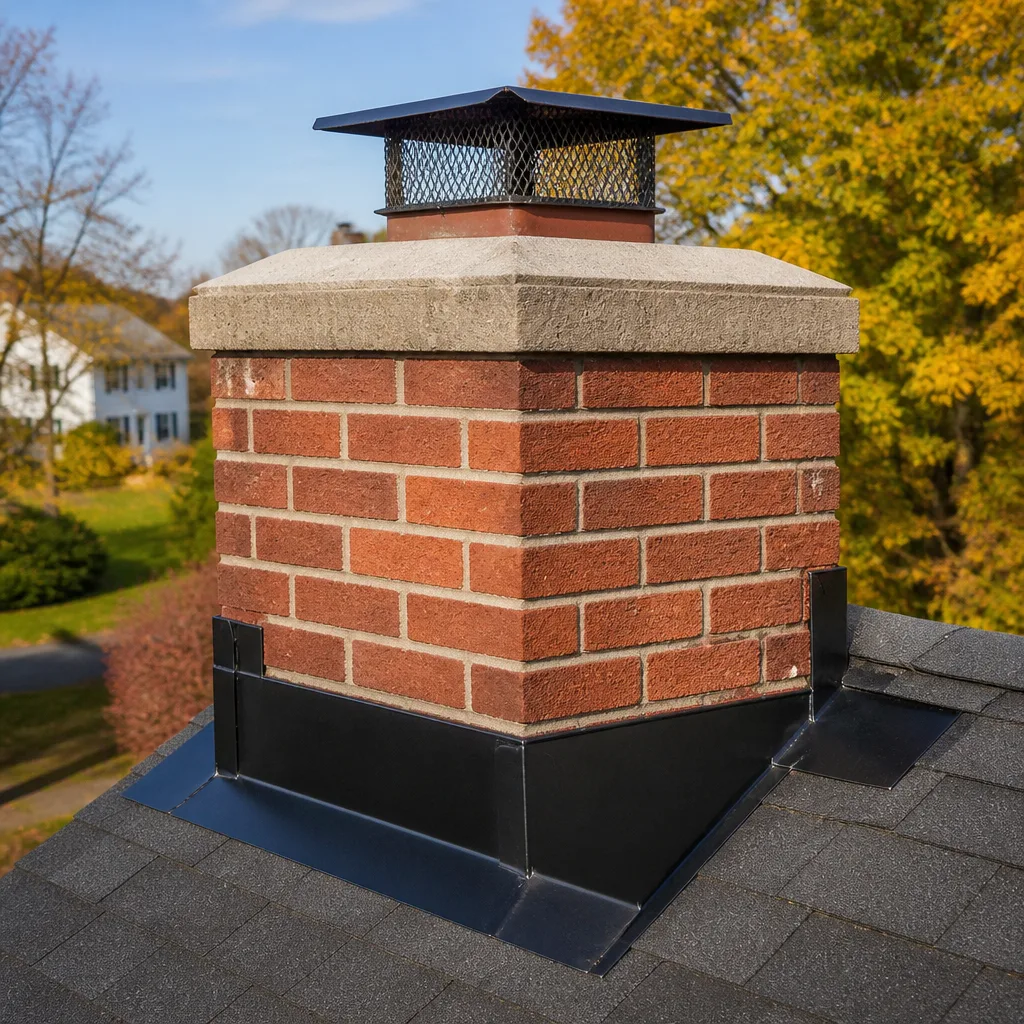 Sweep & inspection
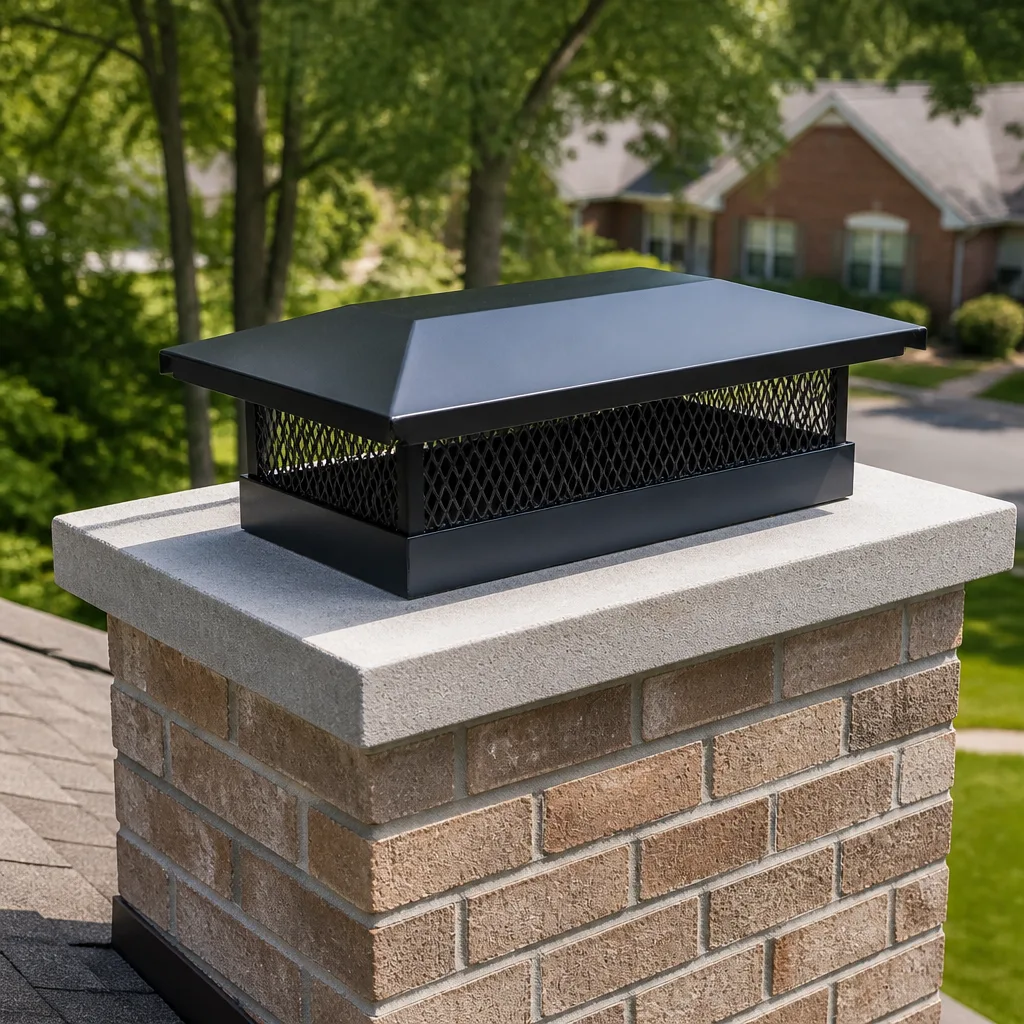 Caps & crowns
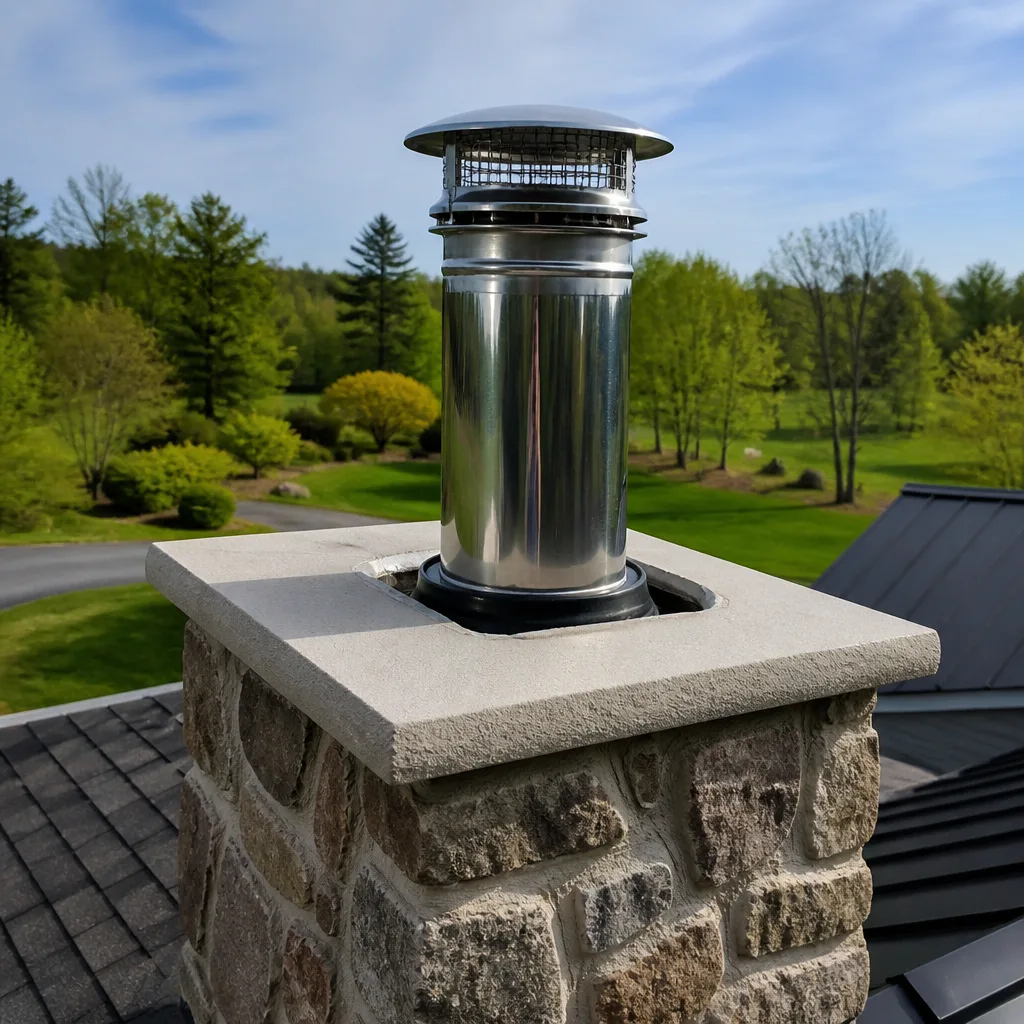 Flue relining
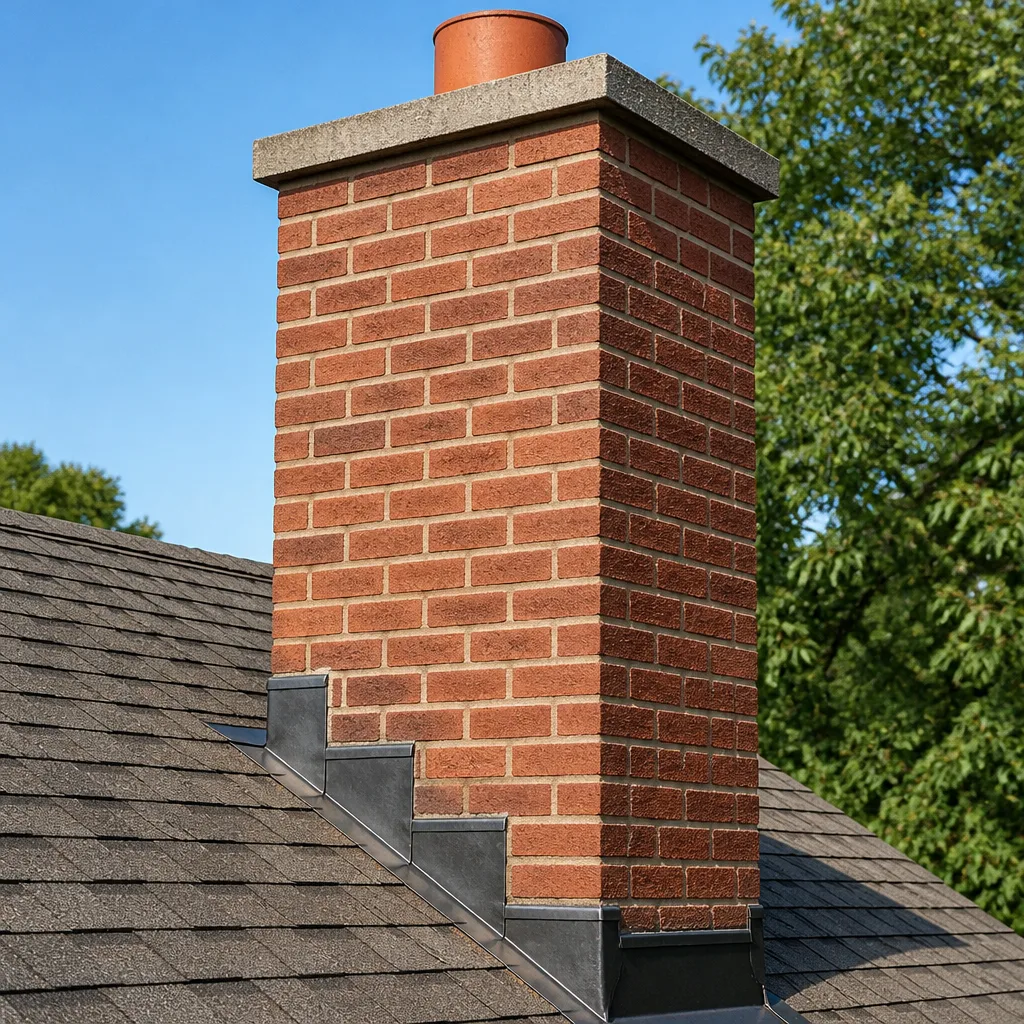 Masonry repair
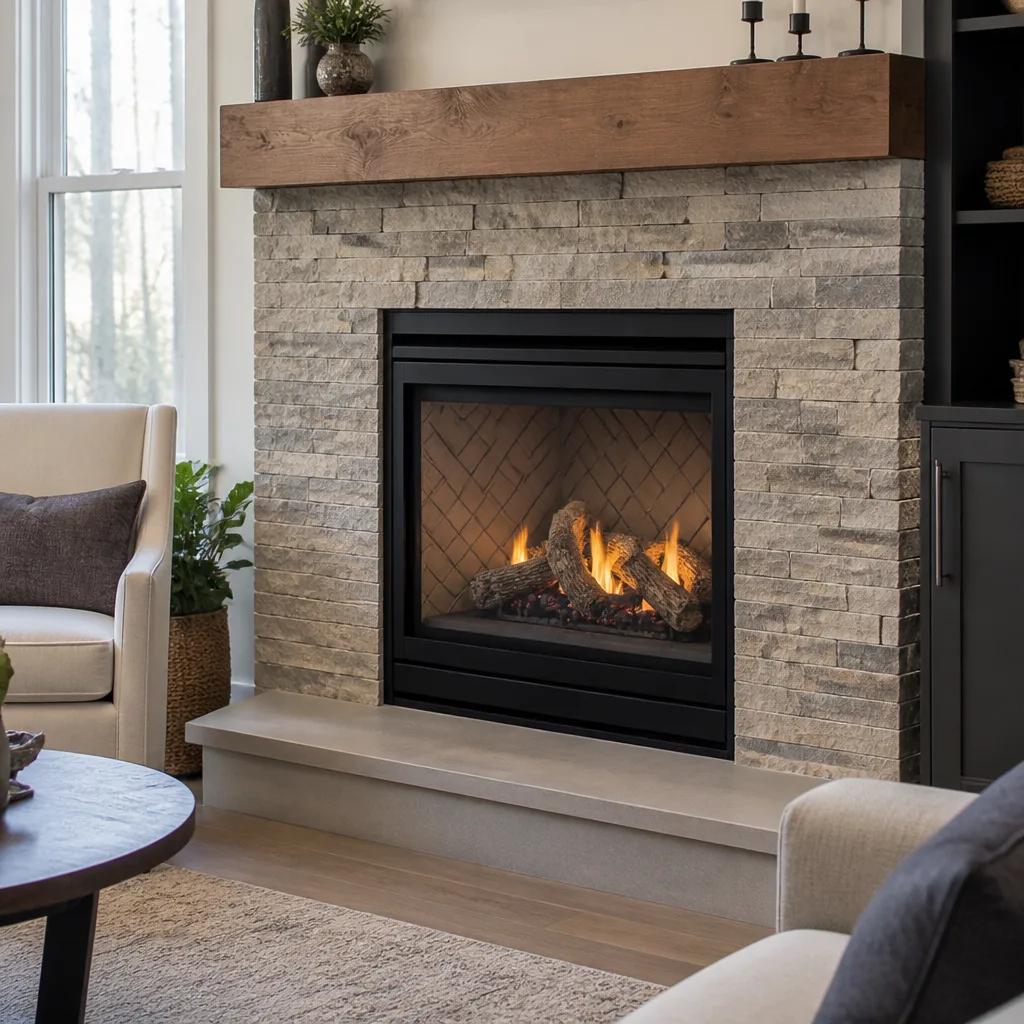 Gas fireplace service
Level 1 sweep and inspection to the NFPA 211 annual standard - flue, crown, cap, and flashing checked and photographed
Chimney sweep logs do not sweep chimneys. They loosen some creosote - which then falls where a brush and vacuum still have to collect it.
How to Hire a Chimney Cleaning Contractor in Southlands: A Step-by-Step Guide
Anyone with a brush and a ladder can offer to clean your chimney. Far fewer can tell you, with evidence you can see, what condition the system is actually in once the creosote is gone. That gap matters in Southlands, where the swing from hot summers to long wood-burning winters works masonry hard and where a clean flue can too easily hide a cracked crown or a deteriorating liner. This guide is built around one question: how do you tell a genuine chimney specialist from a generalist who sweeps on the side? By the end you’ll know what certification really means, which questions to ask before booking, how to read a quote, and how to judge the inspection findings afterward.
Quick Answer
Hire a certified chimney specialist, not a general home-services outfit, and verify the certification before you book rather than taking a company’s word for it. Ask what the inspection includes, whether you’ll receive written findings with photos, and whether the contractor services the whole system (sweep, inspection, liner, cap and crown) or hands you off partway through. Then judge the work by the documentation you’re given, not just by a clean firebox and a lower bid.
Styles & brands we work with
- Sweep & inspection
- Caps & crowns
- Flue relining
- Masonry repair
- Gas fireplace service
Table of Contents
- What Does CSIA Certification Actually Require?
- How Do You Verify a Contractor’s Certification?
- The Questions to Ask Before You Book
- Specialist or Generalist: How to Tell the Difference
- Red Flags in Quotes and Proposals
- Why the Cheapest Bid Usually Reflects Missing Labor
- How to Evaluate the Diagnostic Findings You Receive
- What Southlands Conditions Do to a Chimney System
What Does CSIA Certification Actually Require?
CSIA certification is a credential earned through a structured training and testing program, not a badge you buy and print on a truck. The letters stand for Chimney Safety Institute of America, and a certified technician has gone through coursework on how chimney systems are built and how they fail, then passed an exam on that material. It’s the difference between someone who learned the work through a defined curriculum and someone who learned to run a brush by watching a video.
That distinction shows up in the field. A trained technician reads a flue the way a mechanic reads an engine: they know what a normal smoke chamber looks like, they recognize the early signs of a failing crown, and they can tell you whether a hairline crack is cosmetic or structural. A sweeper without that grounding may clean the flue perfectly and still miss the problem that matters.
For Southlands homeowners who burn wood through the heating season, this isn’t academic. A chimney system that’s cleaned but not evaluated leaves you with the same safety exposure you started with, minus the soot. Certification is the baseline signal that the person on your roof was trained to evaluate what they find.
What certification does not guarantee
A CSIA credential tells you the technician passed a standard curriculum; it doesn’t tell you everything about the company. It doesn’t guarantee written findings unless you ask for them, it doesn’t guarantee the materials they install, and it doesn’t guarantee that they service the full system. Treat certification as your entry-level filter and keep asking questions from there.
How Do You Verify a Contractor’s Certification?
You verify it by checking the credential directly rather than accepting what a website or a business card claims. Most legitimate certifications maintain a public lookup tool or directory where you can confirm a company or technician appears. If a company says its technicians are certified, ask which individual technicians hold the credential and where it can be confirmed.
Verification is quick when you know where to look. Here’s the sequence we’d walk a Southlands neighbor through:
- Visit the certifying body’s website and find its public lookup or member directory.
- Search for the company’s exact business name.
- Confirm the individual technicians you’ll be meeting are listed, since a company can advertise certification while the tech who shows up isn’t the certified one.
- Ask the company directly who on their team holds the credential and how long they’ve held it.
- Notice how the company responds. A specialist answers cleanly; a company that hedges or points vaguely to “industry training” usually has none.
This step takes ten minutes and filters out a meaningful share of the field in the Southlands market. You’ll also learn something useful in the answers themselves. A company proud of its certification will tell you who holds it, what the training covered, and how the technicians keep that training current.
Ask about the training, not just the title
A five-minute phone check is the fastest way to see whether you’re talking to a specialist. Ask how they were trained in chimney systems specifically, not in home services generally. The answer will tell you more than the badge does.
The Questions to Ask Before You Book
These are the questions that separate a genuine chimney specialist from a generalist outfit. Ask them on the phone before anyone comes out. The way a company answers carries as much information as the words.
- What does the inspection include, and is it photographed? A proper evaluation covers the firebox, smoke chamber, flue, damper, cap, and crown, and documents the findings. “We’ll clean it and tell you if we see anything” isn’t an inspection.
- Will I get written findings? You want documentation, not a verbal summary delivered from the roof.
- Do you service the whole system? Sweep, inspection, liner, chimney cap & crown work, and fireplace and structural repair should be handled by the same company so you aren’t handed off mid-project.
- What brands do you install? The answer should sound like chimney-industry names, not big-box commodity parts.
- What’s the flat price, and when is it set? A written price before the work starts, not an open-ended hourly estimate.
- Do you handle the materials you recommend, or subcontract? A specialist stocks and installs its recommendations; a generalist hands you off.
- What does “certified” mean in your case, and who holds it? As covered above, the answer either checks out or it doesn’t.
Notice that half of these questions have nothing to do with cleaning. That’s the point. Sweeping is a visible task. Everything else happens out of sight, and the questions are there to confirm the contractor is set up to look.
Specialist or Generalist: How to Tell the Difference
A generalist home-services company adds chimney sweeping to a long menu that already includes gutter cleaning, handyman work, and dryer vent service. That menu looks convenient until a problem turns up that the sweeper can’t repair. Then you’re dealing with a second contractor who hasn’t seen the first inspection and has to start over.
A dedicated chimney specialist does nothing else. The category difference shows up in three places:
- Materials. Specialists work with brands made for chimneys: DuraFlex flexible liner systems, HeatShield resurfacing, Gelco, Olympia Chimney, Famco, Copperfield. These are the products certified chimney professionals specify, not the generic substitutes available at a hardware store.
- Full-system scope. From the firebox to the crown, one company can handle it. A chimney sweep who also installs caps, resurfaces flues, and repairs masonry never has to refer you out.
- Diagnostic depth. Specialists read findings as a technician, not as a cleaner. They can describe what a crack means, whether it’s urgent, and what the options are.
For Southlands homes with wood-burning or multi-fuel fireplaces, full-system scope is especially useful. A house that’s been through a dry Colorado summer followed by a wood-burning winter can develop a water-intrusion problem at the cap and a liner problem at the same time. Handling both under one company avoids the second contractor showing up with a different set of assumptions.
The “we do it all” warning sign
If a company’s website lists chimney work alongside twelve other unrelated services, that’s a signal. Sweeping is a real specialty and deserves more than a line item on a general handyman’s list. Ask whether the same technician handles the sweep and the inspection, or whether different crews rotate through.
Red Flags in Quotes and Proposals
Watch for language that’s vague on scope. “Full chimney service” is not a scope; it’s a category. A written quote should say what will be done, what materials will be used, and what the price covers. If a proposal reads like a marketing page rather than a scope of work, push back.
The bigger red flag is a solution mentioned before the problem is diagnosed. When the first thing you hear is “you probably need a liner,” before anyone has looked, that’s an upsell dressed as an inspection. Specialists diagnose first and recommend second.
Watch for these, too:
- No written inspection findings. Verbal summaries leave you with nothing to compare, verify, or revisit later.
- Upsells named in the first call. Liner, cap, crown, resurfacing all mentioned before a technician has seen the flue. If the recommendation comes before the diagnosis, the diagnosis is a formality.
- Cash-only or pressure pricing. A specialist works from a written estimate at a set price. If the number is delivered verbally and moves when you ask questions, keep looking.
- No photos. A good technician hands you images of what they found. No photos usually means they didn’t look closely enough to capture anything.
- “We’ll clean it and tell you if anything looks off.” That’s a sweep, not an inspection. Two different services, two different standards, and only one of them is going to catch a failing crown.
None of these are automatic disqualifiers on their own. Together they’re a firm signal that the company isn’t set up to diagnose and document, and in the Southlands market there are enough alternative choices to look elsewhere.
Why the Cheapest Bid Usually Reflects Missing Labor
Running a brush down a flue is the fast part of a sweep. Evaluating the system around it is what takes time, and time is where the cost of a proper job lives. A quote that undercuts the others significantly usually reflects one of two things: the sweep is brush-only, or the inspection isn’t happening. Either way, you’re the one absorbing the risk.
A proper sweep of a full masonry system involves setting up floor and surface protection, checking access panels, brushing the flue thoroughly, cleaning the firebox and smoke chamber, verifying the damper, examining the cap and crown from the roof, and confirming that everything is operating as it should. That’s a structured process, not a fifteen-minute pass with a brush. The short version of it will always look cheaper on the invoice.
What “affordable” actually costs
The savings from a cut-rate sweep don’t disappear; they shift. A misdiagnosed crown crack becomes a masonry repair. A missed liner flaw becomes a safety issue. An untouched smoke chamber keeps accumulating creosote in the place least likely to be noticed. Paying for a proper inspection now is the cheaper version of the work.
What to look for in a quote that justifies the higher number:
- A written, flat price before work starts, not an hourly estimate.
- A clear scope that names the sweep and the inspection as separate steps.
- Findings delivered in writing, with photographs.
- Materials specified by brand, not described generically.
At Chimney Sweep Southlands, the flat price is written before the work is booked so you’re not comparing a firm number against a range. Estimates are free, and you’ll know what you’re paying for before anyone gets on the roof.
How to Evaluate the Diagnostic Findings You Receive
The findings are the real product of the visit. A clean firebox tells you the sweep happened; the report tells you what’s actually going on. This is where a good technician earns their rate: clear language, photographic evidence, and a straight statement of what needs attention now versus what can wait.
Read the report against these questions:
- Are there photos for every finding? If the report mentions a crack, there should be a photo of the crack. No photograph means no way to verify the recommendation.
- Is the language plain? “Moderate glaze creosote in the upper flue” is a clear statement. “Sub-optimal combustion byproduct accumulation” is a smokescreen.
- Is urgency specific or vague? A good report says whether each finding is safe to defer and how long, not just that it “should be addressed.”
- Are the recommendations tied to the findings? A liner recommendation should sit next to a photo of a cracked or deteriorated flue. A cap recommendation should sit next to an image of the missing or damaged cap.
- Does the technician tell you what does not need work? That’s the biggest tell. A specialist will tell you when the work can safely wait.
This is the answer to the most common hesitation we hear in Southlands: getting quoted thousands of dollars of liner or masonry work with no way to see the evidence yourself. You shouldn’t have to take it on faith. Anything a specialist recommends should be backed by something you can look at.
What happens when findings are thin
Sometimes the report really is “the system is in good shape, here’s the documentation.” That’s the outcome you want. When a report is short on evidence, ask for the photos. If the company can’t produce them, ask whether they actually inspected the parts of the system they’re recommending work on.
What Southlands Conditions Do to a Chimney System
Southlands sits on the dry side of the state, which shifts a few things about how a chimney ages here. The freeze-thaw swings across the shoulder seasons work masonry joints harder than in wetter climates, and the summer UV fades a crown faster than many homeowners expect. Wood-burning season then puts real heat through a system that spent months drying out. That cycle is what most Southlands repair work traces back to.
The implication for hiring: you want a contractor who checks the exterior masonry, cap, and crown as carefully as the flue. Water intrusion at the cap and crown is one of the most common causes of chimney deterioration, and on a Southlands roof that gets baked in summer and frozen in winter, those two components wear the fastest. A sweep-only visit that never reaches the roof isn’t checking the parts most likely to be failing.
Watch for these signs on your own:
- Crumbling mortar between the bricks near the top of the chimney.
- A crown with visible cracks or missing sections.
- A cap that’s bent, missing, or loose.
- Rust streaks on the exterior masonry, which suggest long-term moisture.
- Any change in how the fireplace drafts between seasons.
If you notice any of these, ask about the exterior during the call. A specialist will confirm that the roof-level evaluation is part of the inspection. A generalist won’t know to mention it.
Because the wider system ties into the interiors too, ask whether the company handles fireplace repair and structural chimney work. A masonry repair that follows a cap replacement should come from the same team that documented the original problem.
How Often Should You Book a Chimney Sweep?
The general standard is an annual inspection and a sweep when needed, with frequency adjusted for how much you burn. A household that runs a wood stove as a primary heat source accumulates creosote faster than one that lights a fire a dozen evenings a year. Gas and multi-fuel systems still need annual inspection, even though the flue deposits look different.
For Southlands, the practical timing is to book the inspection before burning season starts. You want the system checked and any repairs made while there’s still time to do them, not after the first cold snap has you reaching for the firewood. An inspection that turns up a crown problem in the shoulder season gives you time to schedule the repair. The same problem discovered mid-winter often means waiting.
Booking the inspection every year also builds a record. Year one gives you a baseline; year two and beyond give you a comparison. A technician who has seen the same chimney twice can tell you whether the hairline crack is growing, which is a much more useful answer than a one-time snapshot.
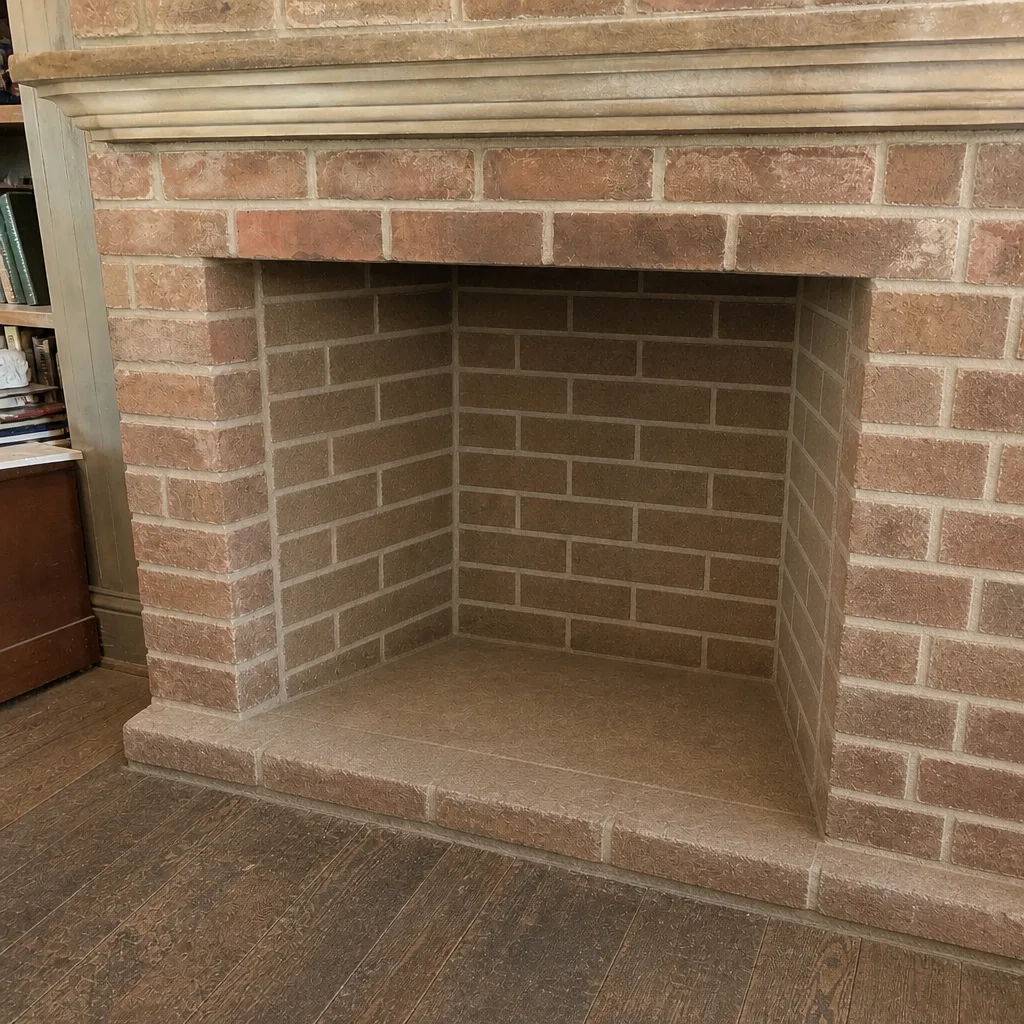
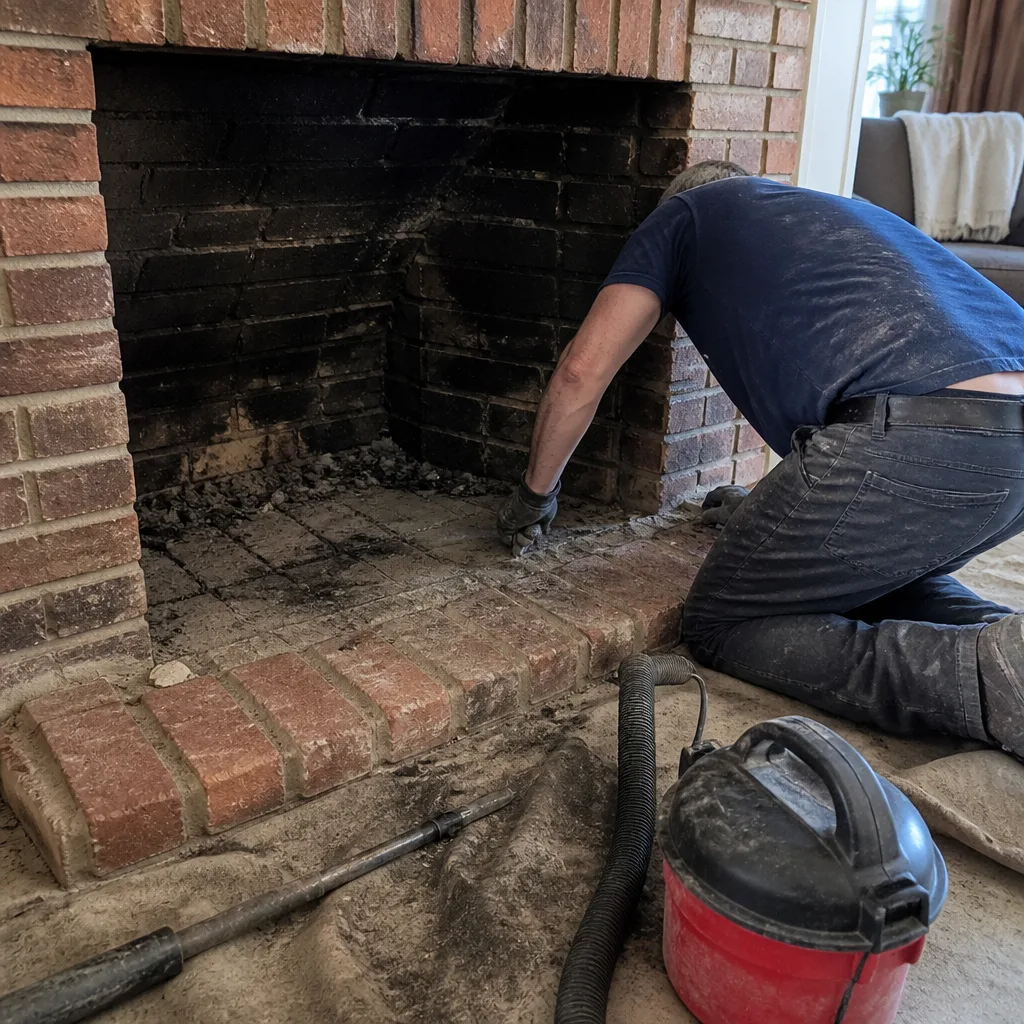
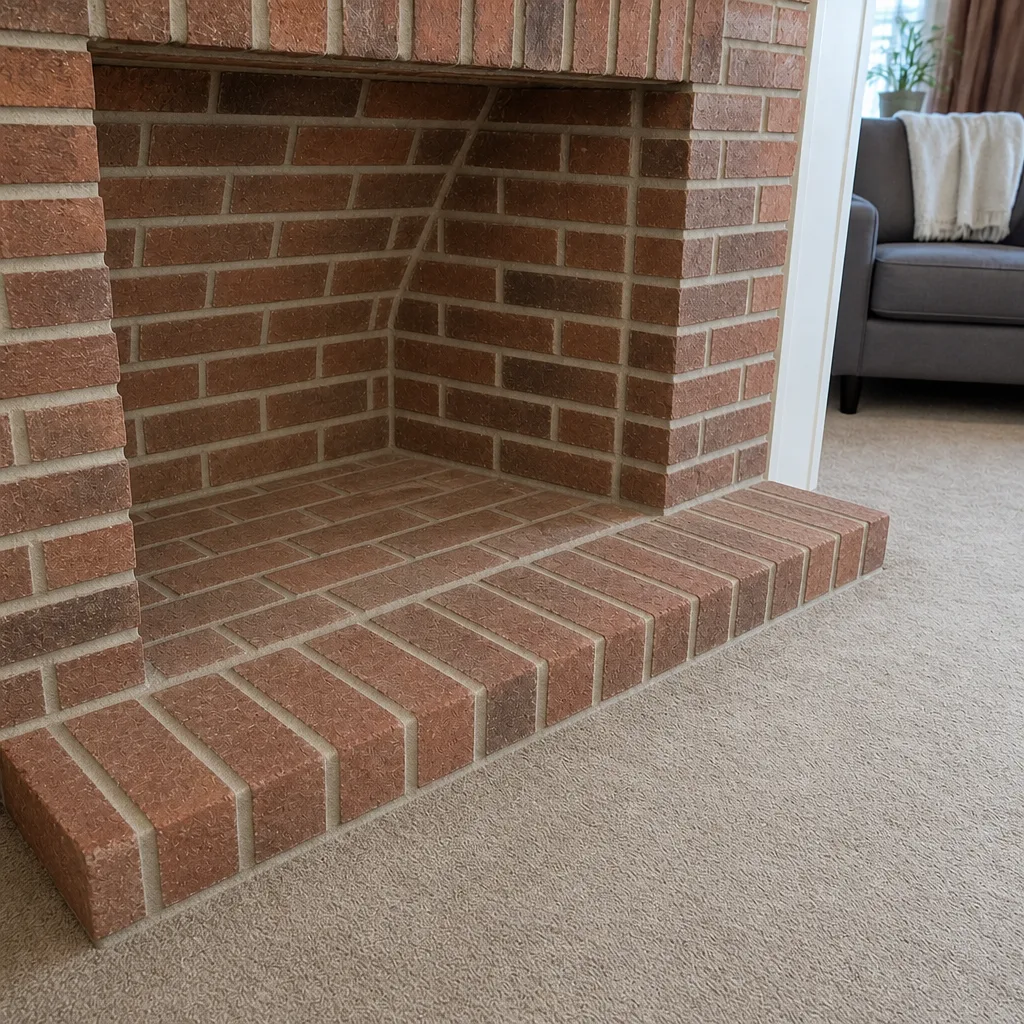
See the difference
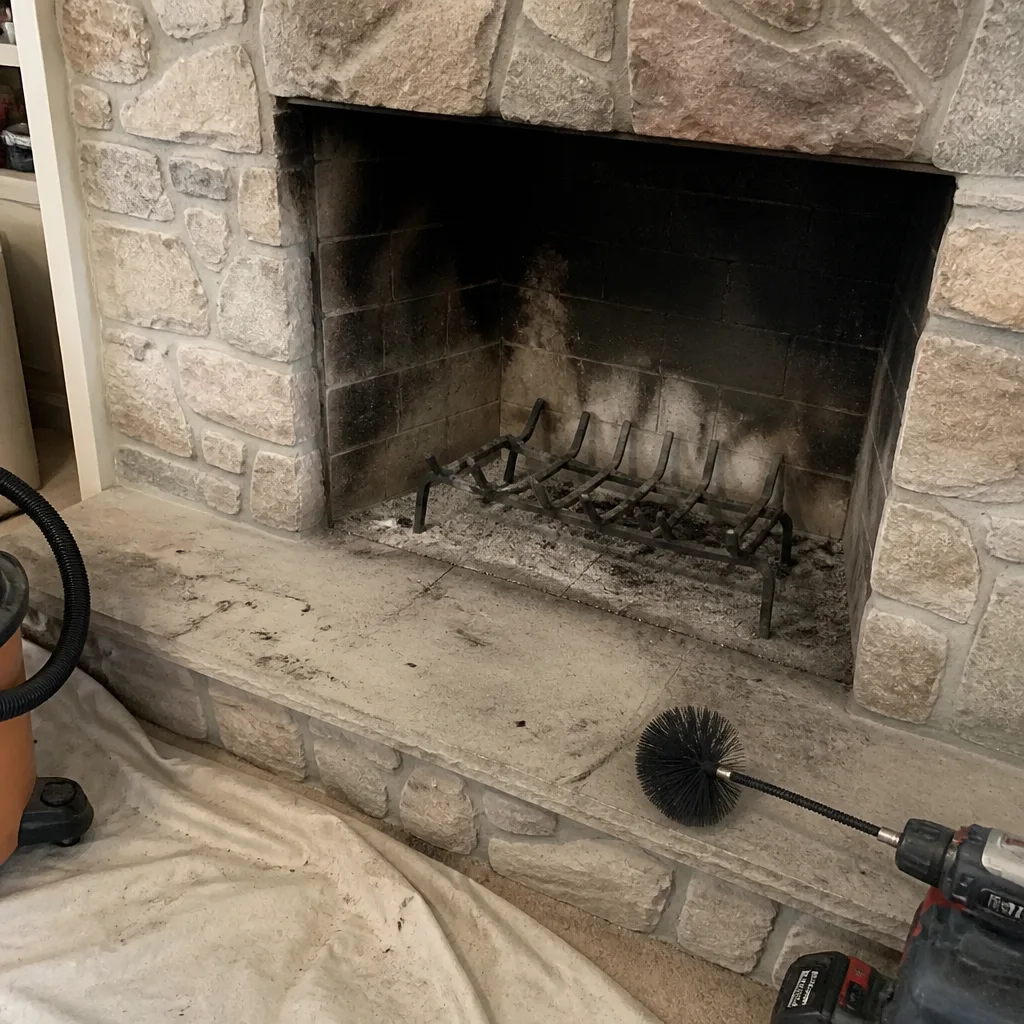 Before
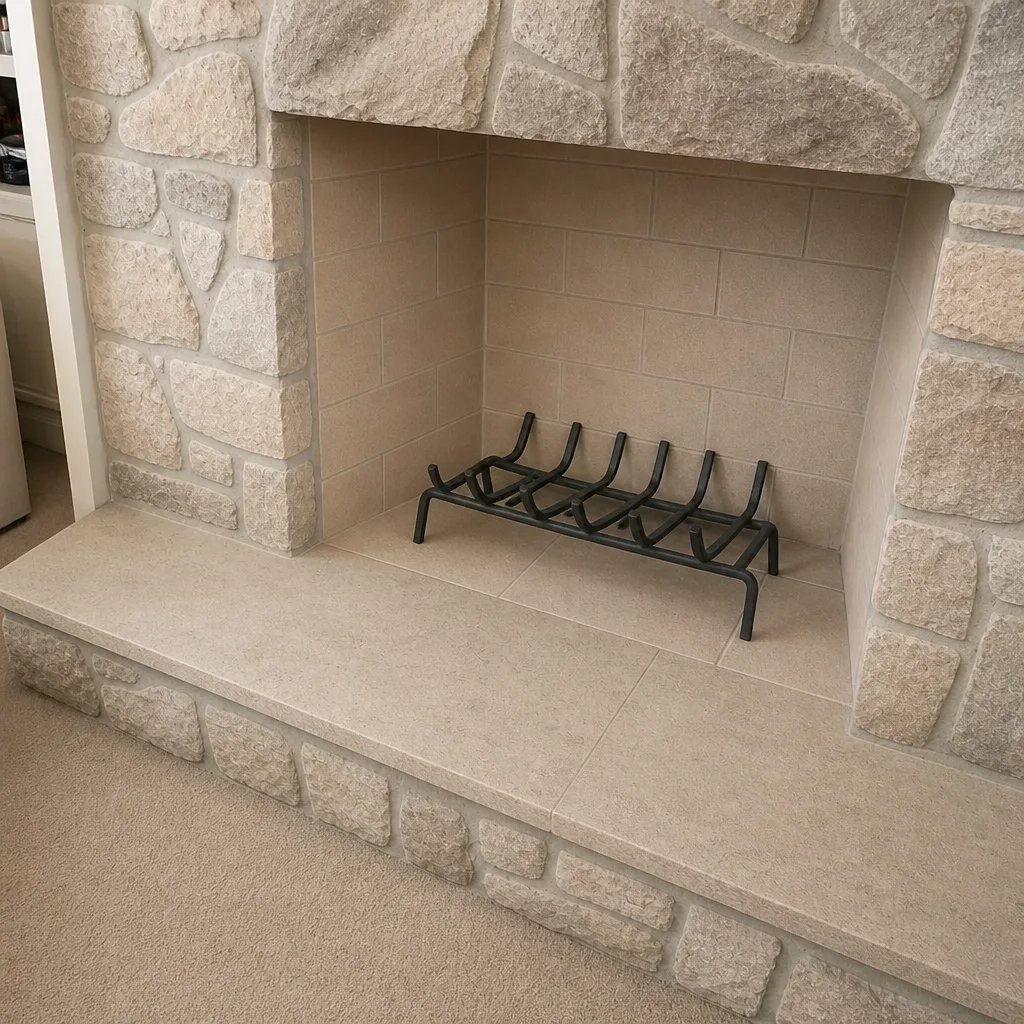 After
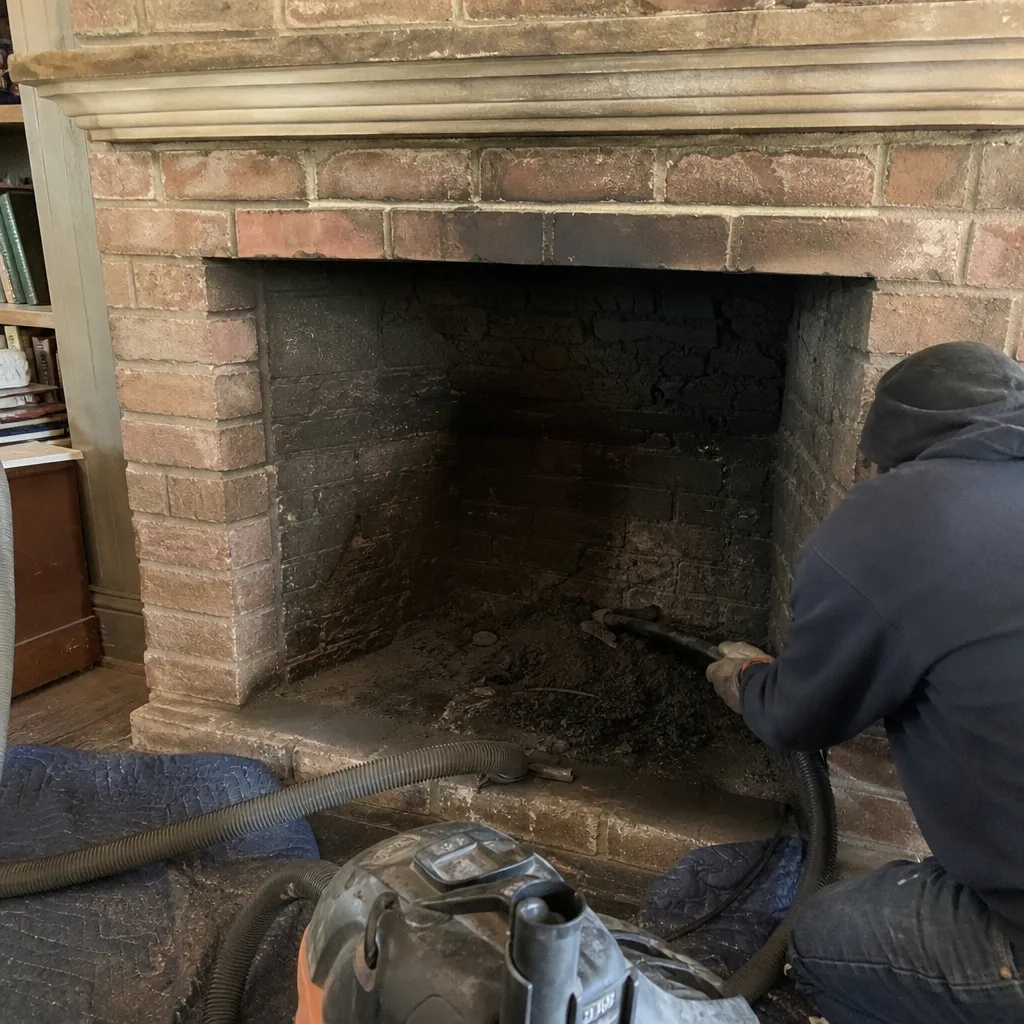 Before
 After
 Before
 After
Common Mistakes to Avoid
- Booking the lowest bid without comparing scope. The cheapest number is usually the shortest visit. Before you compare prices, compare what’s included in each quote.
- Accepting a verbal inspection report. Without photos, you have no way to verify any recommendation, and no record to compare against next year’s inspection.
- Letting the company recommend work before the sweep is done. Diagnosis first, recommendation second. If the recommendation comes first, the diagnosis is theater.
- Hiring a generalist to save a call. A handyman who sweeps once a month isn’t set up to catch the same problems a dedicated chimney specialist sees weekly. The convenience costs you the depth.
- Skipping the exterior. On a Southlands roof, the cap and crown see the most weather. A sweep that never reaches the roof misses the most common source of water damage.
- Treating a clean flue as a clearance to burn. A clean flue with a cracked crown is still a problem. Cleaning and inspection are two services for a reason.
- Booking the same day the firewood arrives. Get the system inspected before the season starts, not after you’ve already been burning for a month.
When to Call a Professional
Call a professional if it’s been a year or more since your last inspection, if you’ve moved into a Southlands home with an unknown chimney history, or if you’ve noticed any change in how the fireplace drafts or burns. Call if you see crumbling mortar, a cracked crown, or a damaged cap. Call if you smell smoke in the room when the fire is going, or if creosote has built up beyond what you can see from the firebox. And call if a previous contractor recommended thousands of dollars of work you couldn’t verify; a second opinion with photographic documentation is a valid reason to book.
Chimney Sweep Southlands offers free estimates in Southlands. Call (844) 443-4747. We answer 24/7. Fast dispatch from 7am to 7pm, Sunday through Friday.
Frequently Asked Questions
Chimney sweeping is priced per job by written estimate, and the free estimate sets the final price. The number depends on the system, the level of access, and whether the visit includes a full inspection with photographic findings. Call (844) 443-4747 for an exact quote. Estimates are free.
You need a new liner only if the flue itself is failing, and a specialist should show you the evidence. Cracked or deteriorating flue tiles, gaps at the joints, or a flue that’s incompatible with the appliance in use are the typical reasons a liner comes up. Ask for photographs before agreeing. HeatShield resurfacing is an alternative to full replacement when the flue conditions allow it, and a specialist should tell you which path applies to your chimney. Call (844) 443-4747 for an exact quote. Estimates are free.
The standard is an annual inspection, with sweeping as needed based on what the inspection finds. Burning frequency drives the sweep interval. A household that uses a wood stove as primary heat will need sweeping more often than one that lights a fire occasionally. Gas and multi-fuel systems still need the annual inspection. Call (844) 443-4747 for an exact quote. Estimates are free.
Creosote accumulates in the flue and becomes harder to remove the longer it’s left, and structural problems at the cap, crown, or flue go undetected. A chimney that’s never inspected can develop water intrusion, failing masonry, or liner damage without anything visible from the firebox. Skipping the annual inspection shifts the risk without removing it. Call (844) 443-4747 for an exact quote. Estimates are free.
A general handyman can push a brush through a flue, but a sweep is only half the service. The part that matters is knowing what the flue, smoke chamber, damper, cap, and crown look like afterward and being able to document it. That’s why a certified chimney specialist is worth the higher price. Ask who the technician is and where the certification can be checked.
Look for photographs of every finding, plain-language descriptions, and a clear statement of what needs attention now versus what can wait. A report that recommends work without showing you the evidence isn’t a report you can verify. Ask for the photos if they aren’t there. Call (844) 443-4747 for an exact quote. Estimates are free.
Yes, on a Southlands roof especially. The cap and crown are the two most common points of water intrusion, and the freeze-thaw swings through the shoulder seasons work them hard. A crown crack that starts small in the spring can open up by the following burning season. Include the exterior in every annual inspection. Call (844) 443-4747 for an exact quote. Estimates are free.
What does Chimney Sweep Southlands cover?
We handle sweeping, inspection, chimney cap & crown installation and repair, fireplace repair, liner installation with DuraFlex systems, HeatShield flue resurfacing, and structural chimney repair. We work with professional-grade materials from brands chimney specialists rely on, including Gelco, Olympia Chimney, Famco, and Copperfield. From the firebox to the crown, one team handles it. Call (844) 443-4747 for a free estimate.
The Bottom Line
The right chimney contractor in Southlands is the one who can prove what they found, not just clean what they see. Verify certification before you book, ask what the inspection covers, insist on written findings with photos, and treat any recommendation that precedes the diagnosis as a red flag. Expect the cheapest bid to be the one with the thinnest scope. And judge the whole visit by the report you walk away with, since that’s the document that tells you what your chimney actually needs, what it doesn’t, and what can safely wait. The sweep is the visible half of the job. The evidence is the half that matters.
Call Chimney Sweep Southlands at (844) 443-4747 for a free estimate. We answer 24/7. Fast dispatch from 7am to 7pm, Sunday through Friday.
Written by the team at Chimney Sweep Southlands.