
Last updated November 23, 2026
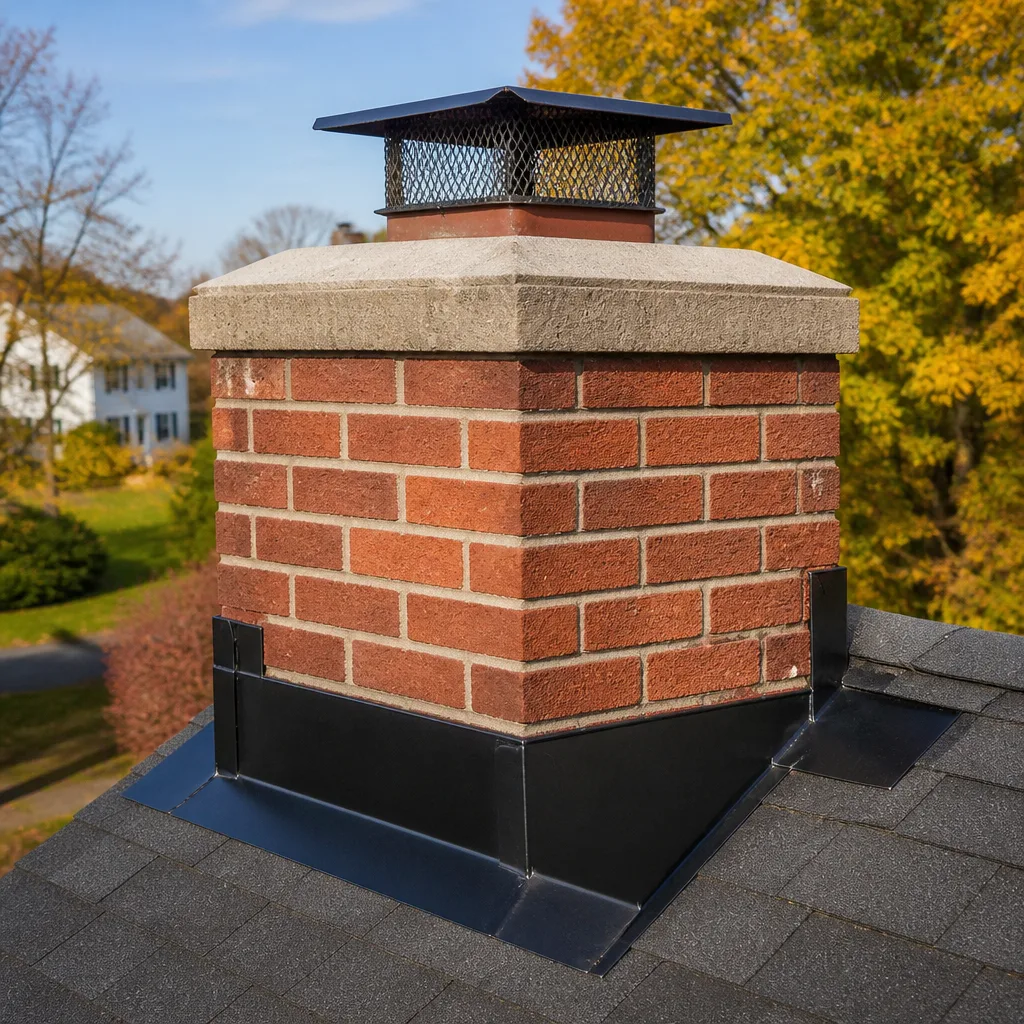 Sweep & inspection
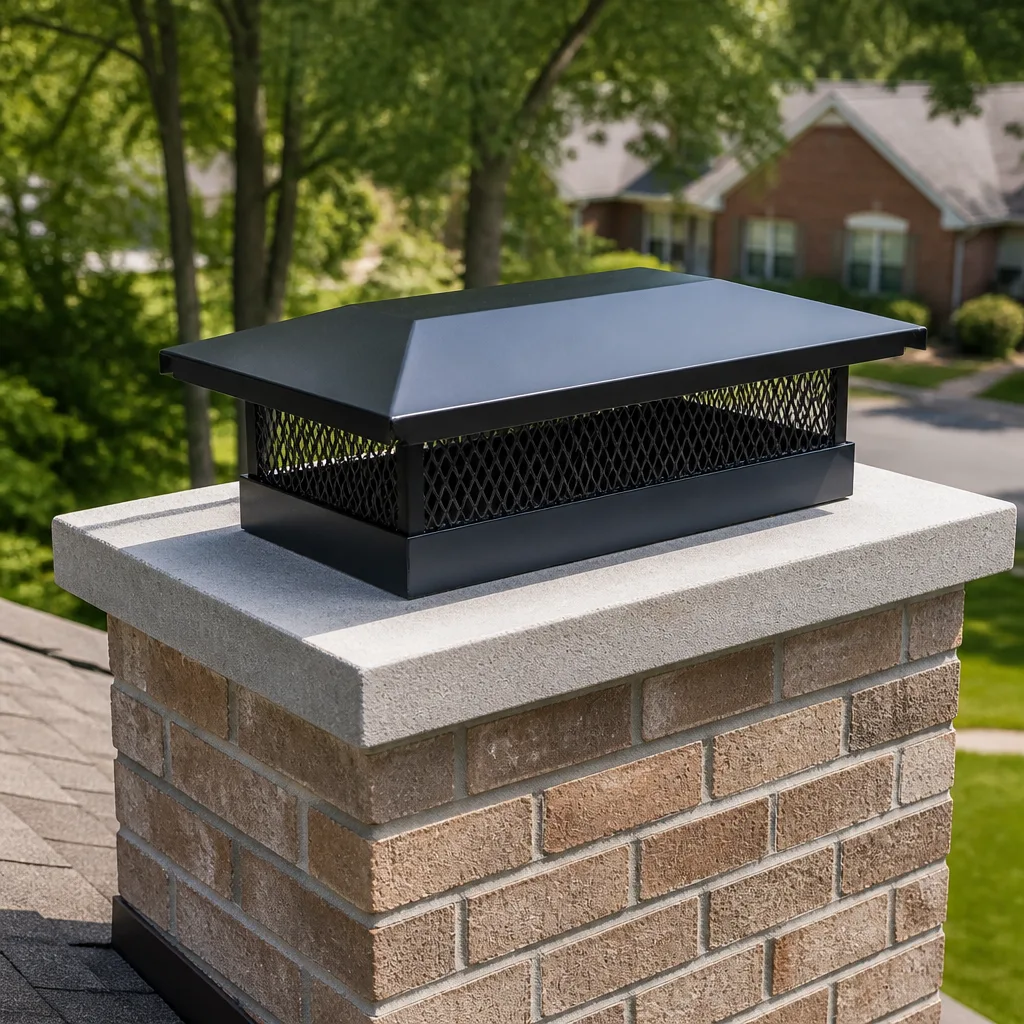 Caps & crowns
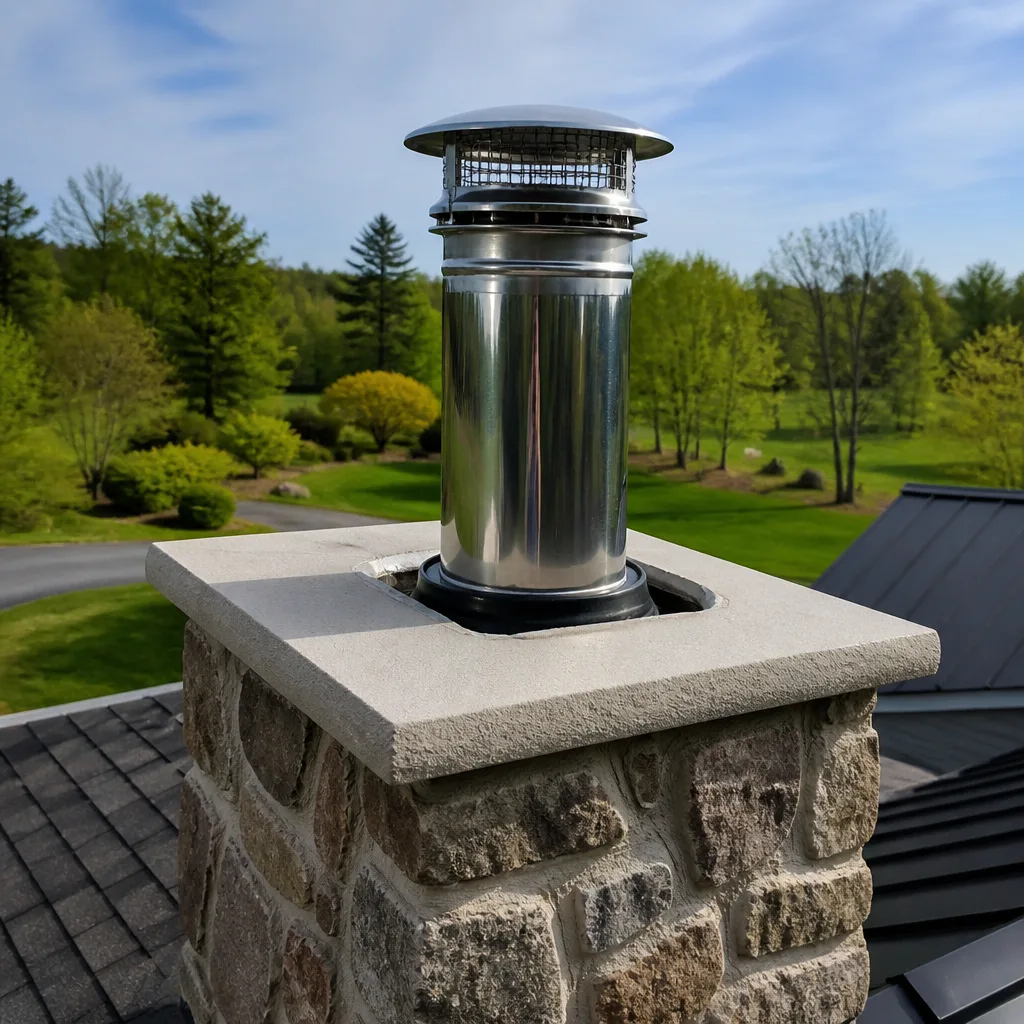 Flue relining
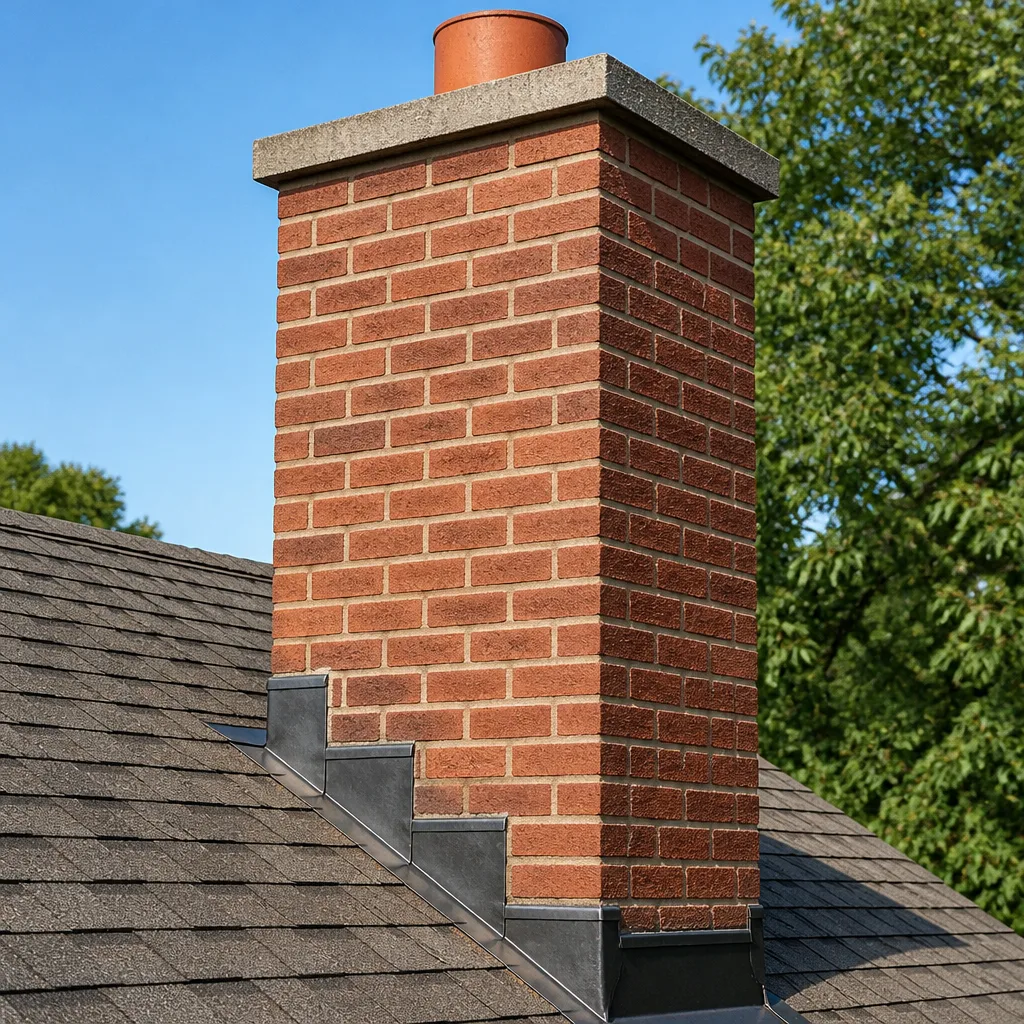 Masonry repair
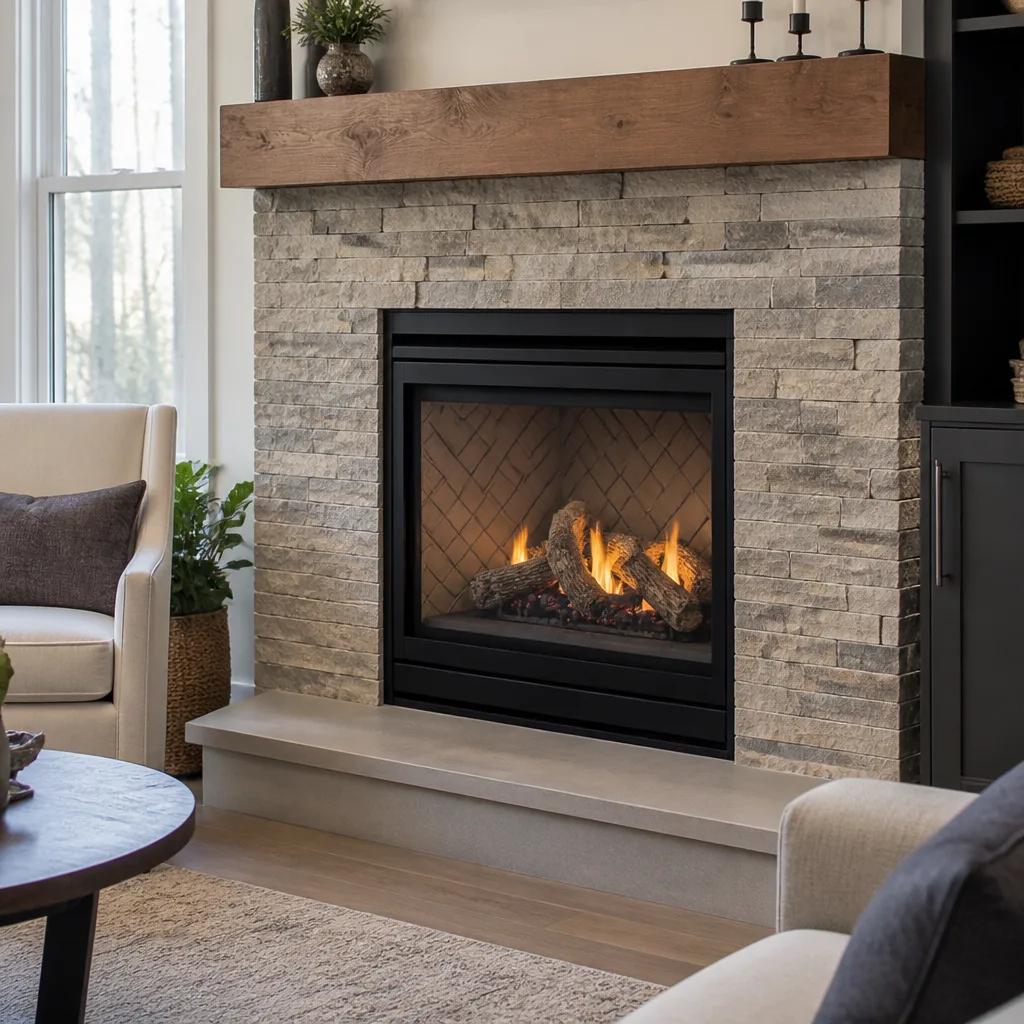 Gas fireplace service
Level 1 sweep and inspection to the NFPA 211 annual standard - flue, crown, cap, and flashing checked and photographed
Chimney sweep logs do not sweep chimneys. They loosen some creosote - which then falls where a brush and vacuum still have to collect it.
Seasonal Chimney Cleaning Care for Southlands: Year-Round Homeowner’s Guide
Here’s the part that surprises most homeowners: the chimney fire that shows up in the news in the middle of a cold snap was set up months earlier. Glazed creosote builds during slow, smoldering shoulder-season fires. Hairline mortar cracks open during spring’s freeze-thaw cycles. A cap loosens in a summer windstorm, and the flue quietly takes on water long before the first fire of fall. By January and February, the conditions are already there. In this guide, we’ll walk through what your chimney actually needs in each of Southlands’ four seasons, why timing matters more than most people realize, and how to spot trouble before it turns into a repair. Most of it takes less of your time than raking leaves.
Styles & brands we work with
- Sweep & inspection
- Caps & crowns
- Flue relining
- Masonry repair
- Gas fireplace service
Quick Answer
Seasonal chimney care in Southlands means four distinct tasks across the year: a spring assessment after freeze-thaw stress, repairs and liner work done in summer’s dry conditions, a sweep in late summer before the first burn, and attentive monitoring during the winter months. Sweeping once a year is a start, but it isn’t a plan. The goal is catching small issues in the season when they’re easiest and cheapest to fix.
Table of Contents
- Why Seasonal Care Beats Annual Care in Southlands
- Spring: The Post-Winter Assessment
- Summer: The Quiet Repair Window
- Fall: Sweep Timing and the Case for Late Summer Booking
- Winter: Reading the Signs During Active Burn Season
- How 40-Degree Swings Stress Masonry
- Seasonal Care and System Longevity
- Common Mistakes to Avoid
- When to Call a Professional
- Frequently Asked Questions
Why Seasonal Care Beats Annual Care in Southlands
Most chimney advice stops at “get it swept once a year.” That’s good advice. It’s also the floor, not the ceiling. A chimney system is made of materials that respond to weather all year: masonry that expands and contracts with temperature, metal liners that flex, a cap and crown that take every storm. If you only look at the system once, in the fall, you’re inspecting after a full season of accumulated stress and only a short window to correct it. Seasonal care is about looking at the right parts at the right time.
In Southlands, the seasonal rhythm is sharp. Colorado’s Front Range swings repeatedly between warm days and hard overnight freezes, and your chimney is one of the few parts of a house that takes the full brunt of that cycle from both sides. We’ve seen what a few missed springs do to a crown that already had a small crack. Seasonal care is a maintenance habit that saves the bigger structural headaches.
Here’s the frame that helps homeowners most. Think of the chimney as having four checkpoints a year:
- Post-winter: anything the cold months damaged becomes visible.
- Mid-summer: the dry, stable window when repairs and liners cure properly.
- Pre-burn: a clean, inspected flue before the first fire.
- During burn season: active observation to catch problems early.
Each checkpoint is short and specific. Together they keep your system in the kind of condition that makes chimney sweep visits simple and predictable rather than reactive. That’s the difference in Southlands between routine care and an annual scramble.
Spring: The Post-Winter Assessment
Spring is the most useful inspection window of the year, and it’s the one most homeowners skip. Once the burning season ends, winter’s damage is fresh and easy to trace. Letting it sit until fall gives the damage a full summer to worsen. A spring assessment looks at the things winter is hardest on: the crown, mortar joints, flashing, the cap, and the flue liner.
What a spring assessment covers
- Crown condition: the concrete top of the chimney takes freeze-thaw cycling on every side. Hairline cracks are common after winter and cheap to address now.
- Mortar joints: the loose mortar between bricks loosens further after a hard winter. You can sometimes spot this from the ground with binoculars.
- Flashing: the seal where the chimney meets the roof is a top water-intrusion point after a season of freeze-thaw.
- Cap and spark screen: damage from winter wind, snow load, and wildlife is more visible in spring than at any other time.
- Liner: a camera inspection catches cracks and gaps before summer repair season.
In our experience, spring assessments catch exactly the problems that are cheap to fix in spring and expensive by fall. A cracked crown is the classic example. A small crack repaired now is a straightforward job. Let it open up through a summer of water intrusion and you’re looking at masonry repair, not sealing. If the crown looks compromised, our chimney cap & crown service handles assessment and repair together. Spring in Southlands is also the season when masonry crews have the most room on the calendar, so work scheduled now rarely waits.
Late spring is also the last good window before summer heat makes any roof work less comfortable for the technician and the materials. If you’re going to do one thing this spring, make it the assessment. Spring assessment plus a summer repair window is the combination that saves real money.
Summer: The Quiet Repair Window
Summer is the best season of the year for chimney repair work, and almost nobody thinks about their chimney in July. That’s exactly why it’s the best season. There are three practical reasons, and they apply to almost every Southlands homeowner:
- Dry, stable curing conditions. Masonry repair, crown work, and liner installations cure best in warm, dry weather. Summer in Southlands gives the materials the time they need to set without the risk of an early freeze.
- Calendar availability. The chimney trade has a predictable seasonal crunch in the fall. Summer appointments are easier to schedule and less likely to be squeezed into a narrow window.
- Time to complete full repairs. A repair found in August can be completed well before burn season starts. A repair found in late October often isn’t.
If your spring assessment found a problem, summer is when it should get fixed. Liner work is a good example. When your flue liner is deteriorated but still structurally viable, options exist short of a full replacement. We’re certified to apply HeatShield, a flue-resurfacing system that rebuilds the liner’s interior surface, and for the right conditions it’s a genuine alternative to tearing out and replacing the whole liner. When replacement is the right call, we install DuraFlex flexible liner systems, which are recognized for retrofitting existing masonry chimneys. Either path is far easier in June than in November.
Summer is also the season to think about fireplace repair. Firebox cracks, worn dampers, and refractory panel damage are all visible with the firebox empty and easy to address while no one is using the fireplace. We’ve seen fireboxes that looked fine in use and clearly needed work once the firebox was clean and empty. That’s a summer conversation, not a January one.
Fall: Sweep Timing and the Case for Late Summer Booking
Most homeowners schedule their sweep in early fall, right before the first fire. It’s the intuitive choice, and it’s a decent one. But late summer is a better window, and the reasons are practical rather than theoretical. Booking in late summer buys you three things: calendar availability, a dry window for any repair the sweep reveals, and enough time to complete the repair before burn season arrives.
Why late summer beats early fall for the sweep
- Availability: the fall rush is real. Late summer slots are easier to lock into the schedule you actually want.
- Time to act: if the sweep turns up a cracked crown, a damaged liner, or a failing cap, you still have weeks to complete the work before the first fire. A late-October sweep leaves no margin.
- Curing conditions: repair work done in late summer and early fall cures in warm, dry weather. Repair work in cold weather can require a long wait.
- Hidden creosote: a flue that sat through a wet spring can carry moisture in the creosote layer from the previous season. The sweep also removes that accumulated residue.
The right sweep timing in Southlands is usually late August through September. It’s not a hard deadline, but it is the sweet spot. If you’re going to shift one habit this year, shift the sweep earlier by a few weeks. Fall remains a fine time to burn, but it’s a much better time to burn when the sweep was already done. If a sweep does reveal a liner problem, our inspection includes camera footage and a photo report so you can see the condition yourself, not just take our word for it.
Winter: Reading the Signs During Active Burn Season
Once the burning season starts, your role changes. You’re not sweeping or repairing. You’re observing. A well-maintained system should run quietly through the winter. When it stops behaving that way, it usually means something changed. The homeowner’s job is to notice and to call, not to diagnose. Four things in particular are worth watching:
- Smell: a strong, acrid odor inside the house during a fire, or a persistent smoke smell that doesn’t clear, is a sign of draft or flue problems.
- Draft behavior: a fire that used to light easily and now struggles, or smoke that rolls into the room when you open the stove door, points to an obstruction or a change in flue pressure.
- Smoke characteristics: thick, dark, sluggish smoke from a well-seasoned fire can indicate incomplete combustion or an obstructed flue.
- Sound: a low rumble or a roaring sound beyond what you’d expect from your fire is a distinct warning sign of a chimney fire. If you suspect one, stop the fire, get everyone out, and call the fire department.
Mid-season chimney fires are rare in a well-maintained system, but creosote buildup from infrequent burns or unseasoned wood is the usual cause. If you’re seeing any of these signs, stop using the fireplace until the system is inspected. A call within a few days is almost always the right response. Don’t wait for spring if the signs are strong.
How 40-Degree Swings Stress Masonry
Winter in Southlands is not a slow, steady cold. It’s a series of swings, and masonry does not like swings. A common pattern is a mild daytime high, a hard overnight freeze, and back up again the next day. Every one of those swings moves water in and out of the porous surface of brick and mortar. The water expands when it freezes, then contracts when it thaws. That cycle is the single largest source of chimney masonry damage in this climate, and it’s invisible from the ground until it isn’t.
What to look for after a hard winter
- Spalling: brick faces that flake or show a white powdery residue are the classic sign of freeze-thaw damage.
- Crumbling mortar: mortar that looks sandy or washes away when you rub it has lost structural integrity.
- Crown cracks: the top slab is the most exposed surface and the most common failure point.
- Water staining: rust-colored streaks or interior water stains can mean the crown or flashing has failed.
- Settling: a chimney that’s visibly leaning or showing a wider gap at the roofline should be inspected promptly.
This is why spring assessment is such a high-value habit in Southlands. The damage from a hard winter is fresh in April, and the repair window in summer is wide. Let it sit through summer and the pattern repeats, but with wider cracks and more moisture. The masonry investment in your home is worth protecting proactively. Cap and crown work is a direct way to protect it, and it’s the right place to look first. A Chimney Sweep Southlands assessment in spring is the single most useful thing you can do for the system after a hard winter.
Seasonal Care and System Longevity
A chimney that gets attention in each season lasts measurably longer than one that gets annual emergency service, and the reasons are simple. A chimney fails from the top down and from the inside out. Water ingress through the crown and flashing damages the masonry. Creosote accumulation and moisture in the flue damage the liner. Neither problem announces itself until it’s already significant. Seasonal care catches both early.
The four habits that matter most
- Spring assessment: the post-winter check that catches freeze-thaw damage early.
- Summer repair and liner work: the window for finishing full repairs in good conditions.
- Late-summer sweep: a clean flue and a full inspection before the first fire.
- Winter observation: attentive use, so any mid-season problem gets caught early.
If you’re doing all four, you’re already in the top tier of chimney owners in Southlands. If you’re doing the sweep and the spring check, you’re catching most of what matters. The jump from one season to four is not a lot of extra time. It’s a change in habit. Our technicians have up to 14 years of experience, and we can tell you from that experience what a four-season care routine looks like versus one that starts every fall. If you want to set up your first full cycle, a free estimate is the place to start. Call (844) 443-4747. We answer 24/7. Fast dispatch from 7am to 7pm, Sunday through Friday.
Common Mistakes to Avoid
- Waiting until the first cold snap to schedule the sweep. Fall is the busiest time of year for chimney work, and a late-October sweep leaves no time to fix anything it turns up. Late summer is the better window.
- Skipping the spring check entirely. The damage from a hard winter is fresh in April and easier to fix before summer. Southlands homeowners who skip spring are often repairing in fall what could have been a straightforward spring job.
- Treating the crown as cosmetic. A cracked crown is the single most common water-intrusion point on a chimney and the fastest way for freeze-thaw damage to spread into the masonry below. It’s worth a look every spring.
- Burning unseasoned wood. Green wood produces far more creosote and far less heat. It’s the cause of most mid-season flue problems we see, and it’s entirely avoidable.
- Ignoring smoke smell or draft changes. A fire that used to light easily and now struggles is telling you something. Don’t wait for spring if the signs are strong; get the system inspected.
- Assuming a sweep is a full inspection. A sweep is a cleaning. An inspection is a separate step, and on a masonry chimney it usually includes a camera look at the flue. They’re related, not the same.
- Letting a big-box store brand stand in for professional-grade parts. Chimney components are an engineered system, not a commodity. The cap, the crown, the liner, and the firebox panels all need to fit together correctly. The brands that specify these parts in the trade are the ones we work with.
When to Call a Professional
Some situations are worth a phone call during the season rather than waiting for your scheduled routine. If you’re seeing heavy creosote buildup after a short period, a strong smoke smell inside the house during use, or a fire that won’t draw correctly, don’t wait. If you’ve had a chimney fire, even a small one, call a professional before your next burn. If you’ve noticed spalling brick, crumbling mortar, or a crown that looks cracked, a spring assessment is the right step. If you’ve recently moved into a Southlands home and don’t have a service record, a full inspection before the first fire is the smart first move. Chimney Sweep Southlands offers free estimates in Southlands – call (844) 443-4747. We answer 24/7, and fast dispatch runs from 7am to 7pm, Sunday through Friday. Every estimate is free, and the written estimate sets the price before any work begins.
Frequently Asked Questions
Once a year for most wood-burning fireplaces, and twice a year if you burn frequently or use the fireplace as a primary heat source. The best time of year to schedule the sweep is late summer, so any issues it reveals can be fixed before burn season. Gas and multi-fuel appliances have different intervals, and a professional inspection will confirm what yours needs. Call (844) 443-4747 for an exact quote – estimates are free.
Creosote builds up in the flue, and glazed creosote in particular is the primary fuel for chimney fires. An obstructed or heavily soiled flue also reduces draft, which sends smoke into the house and makes the fire harder to control. A skipped sweep also means a skipped inspection, so cracks and damage go unnoticed. Call (844) 443-4747 to get back on a routine – estimates are free.
Not always. The inspection tells you. If the existing liner has a structural crack or gap, replacement is usually the correct answer. If the liner is deteriorated but still structurally viable, resurfacing may be a genuine option, and that’s where HeatShield comes in. We require camera evidence and a photo report before recommending any liner work. Call (844) 443-4747 for an inspection quote – estimates are free.
Chimney fires cluster in the coldest months, when the fireplace is used hardest and the conditions from the shoulder seasons catch up. The creosote that fuels them builds during spring, summer, and fall, when the fireplace is idle. That’s why the shoulder seasons matter more than they seem to. Call (844) 443-4747 to schedule a sweep before the cold months arrive – estimates are free.
You can, but it’s harder to do well than it looks, and a DIY sweep doesn’t include an inspection of the liner, crown, or flashing. The larger risk is that a homeowner with no camera inspection can’t tell whether the flue is clean to the top or whether a liner crack is developing. A professional sweep plus a camera inspection is a different service. Call (844) 443-4747 for an exact quote – estimates are free.
Stop using the fireplace and have the system inspected before your next burn. A persistent smoke smell usually indicates a draft problem, an obstruction, or a flue that’s failing. It’s not something to troubleshoot from the couch. Call Chimney Sweep Southlands at (844) 443-4747. We answer 24/7, and fast dispatch runs from 7am to 7pm, Sunday through Friday.
The Bottom Line
Seasonal chimney care in Southlands is four habits, not one. Spring is for the post-winter assessment, when freeze-thaw damage is easiest to spot. Summer is the quiet window for repairs and liner work, when conditions cure properly and the calendar is open. Late summer is for the sweep, so any issues it reveals have time to be fixed before burn season. Winter is for attentive use, so a mid-season problem gets caught early. None of these steps takes much of your time. Together, they’re the difference between a chimney that lasts and one that becomes an annual emergency. The chimney system, cleaned, inspected, and repaired by specialists who do nothing else. That’s the standard we hold ourselves to.
Call (844) 443-4747 for a free estimate. We answer 24/7. Fast dispatch from 7am to 7pm, Sunday through Friday, and we’re closed Saturday. Your written estimate sets the price before any work begins, and nothing gets recommended without camera evidence you can see yourself. A clean, tight system is the best protection you can give a wood-burning home in Southlands all year.
Written by the team at Chimney Sweep Southlands.
See the difference
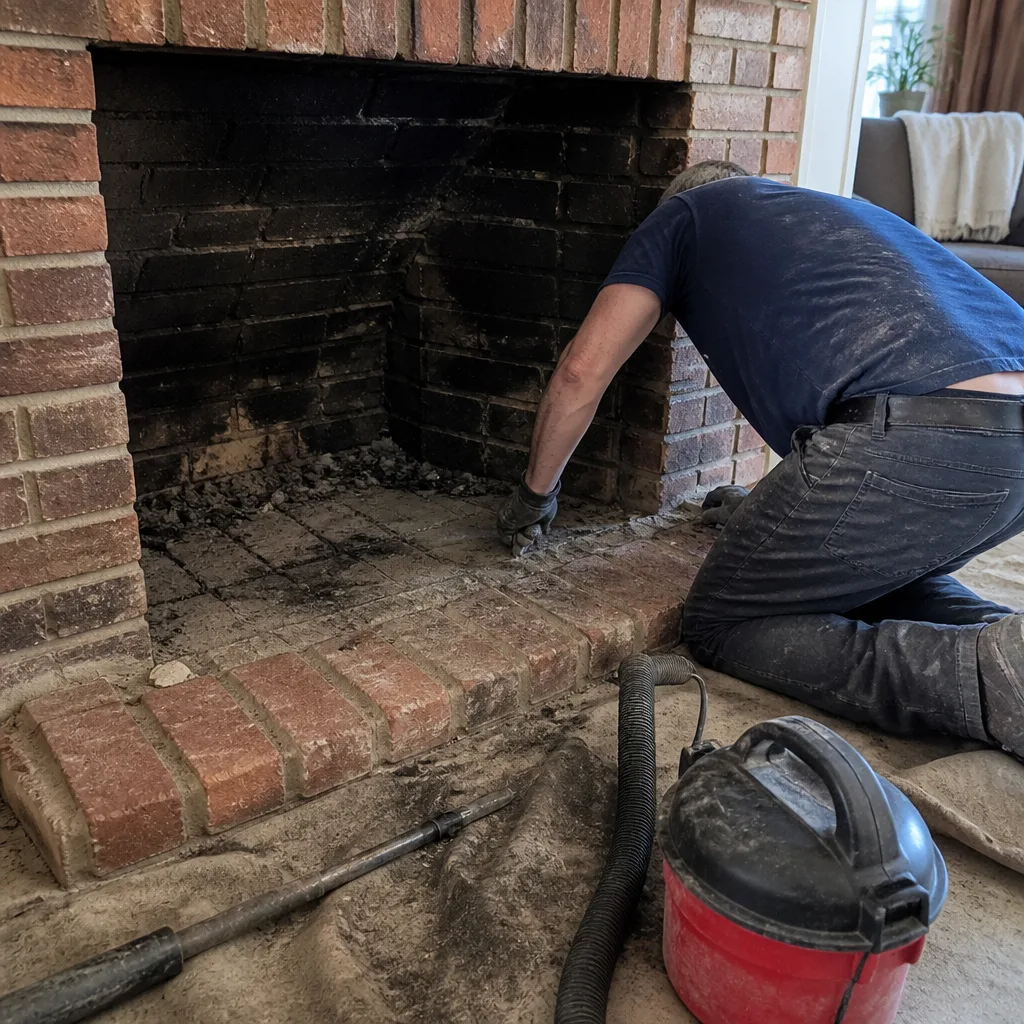
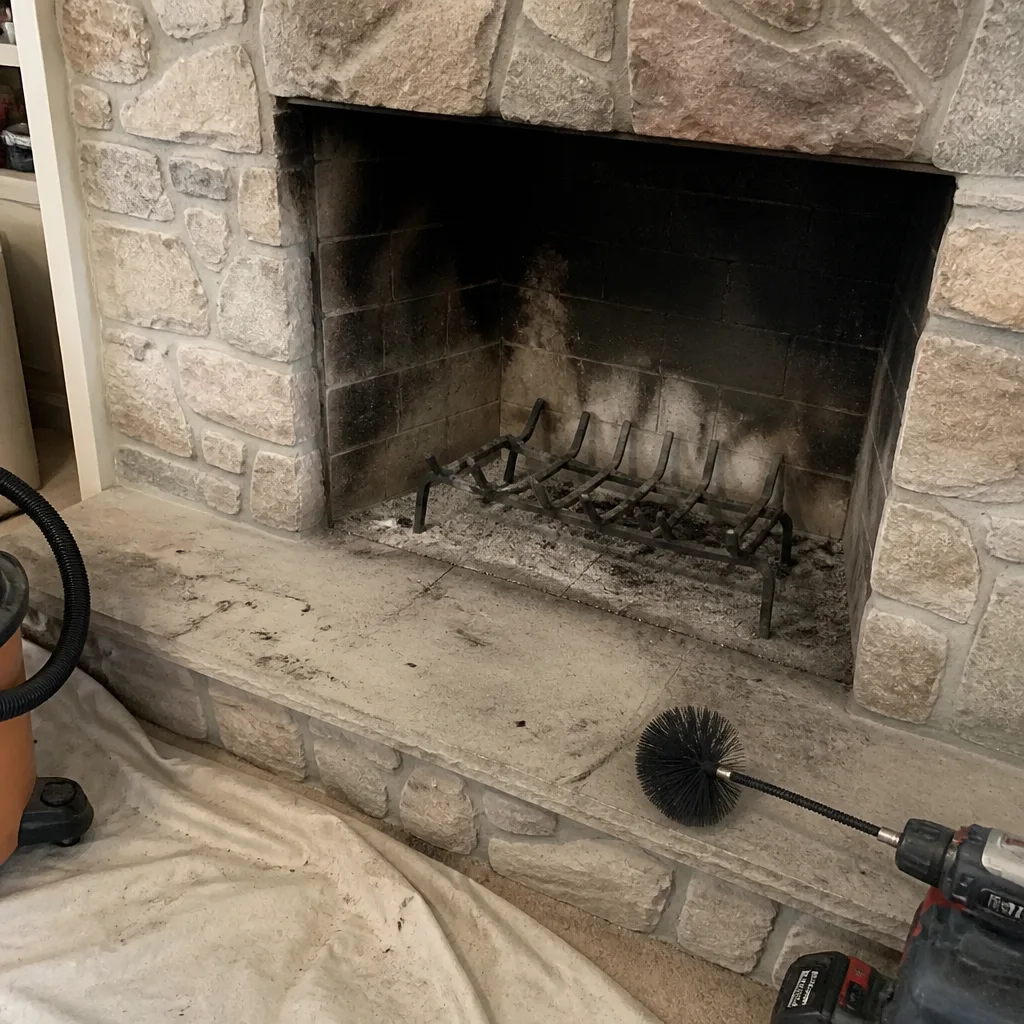 Before
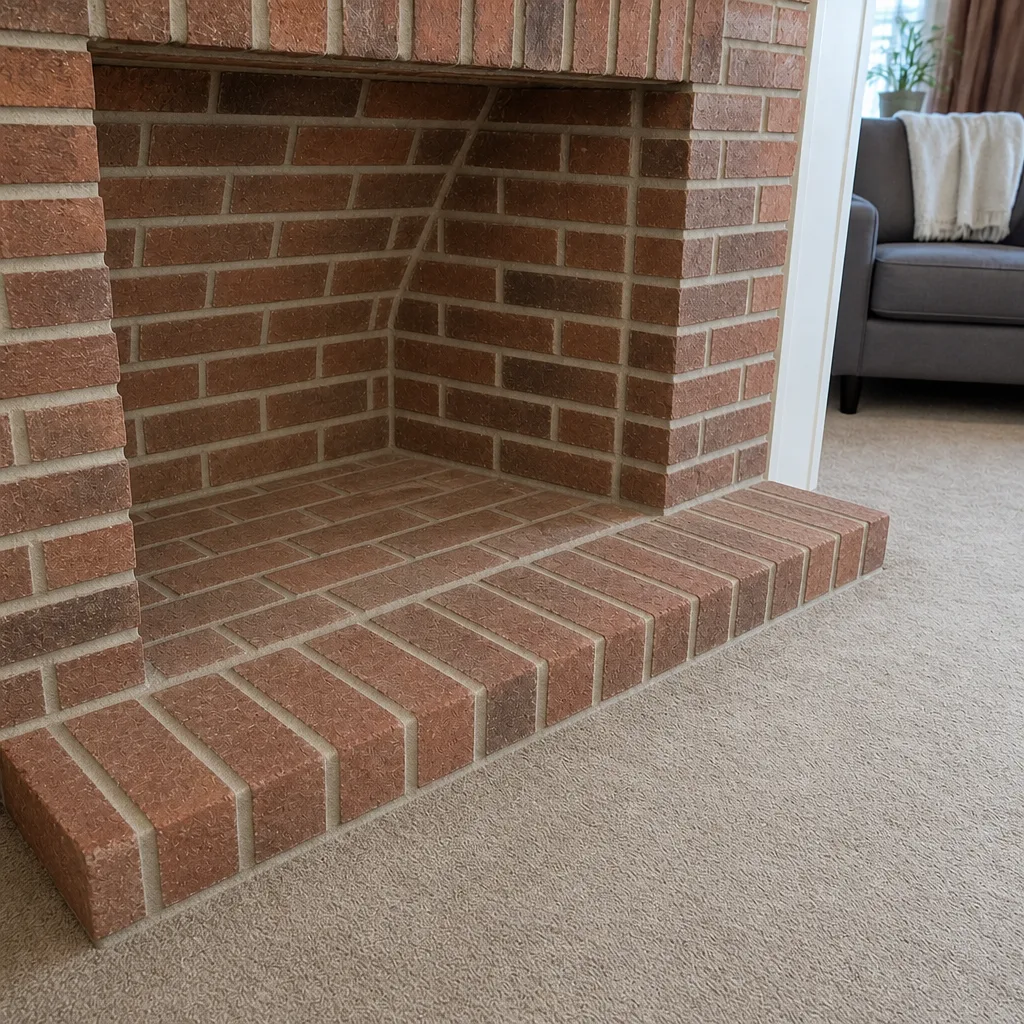
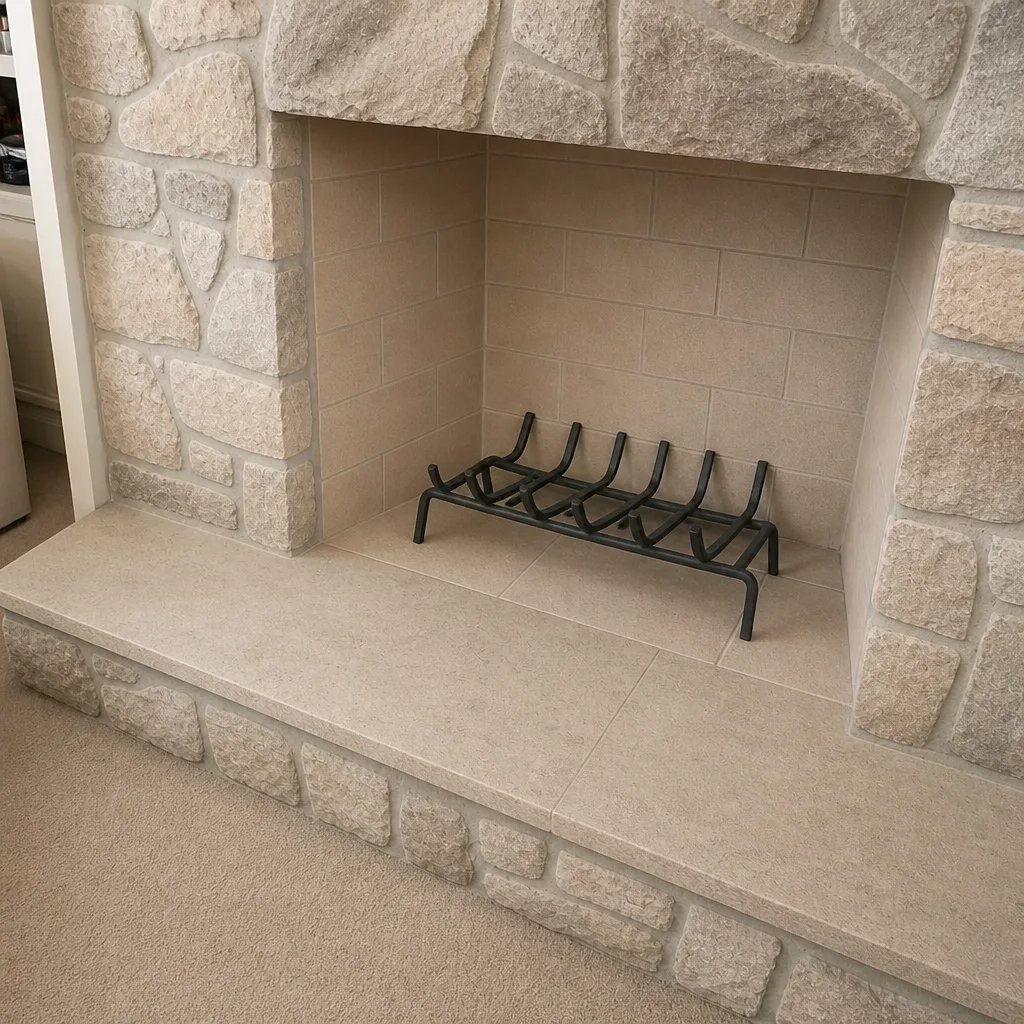 After
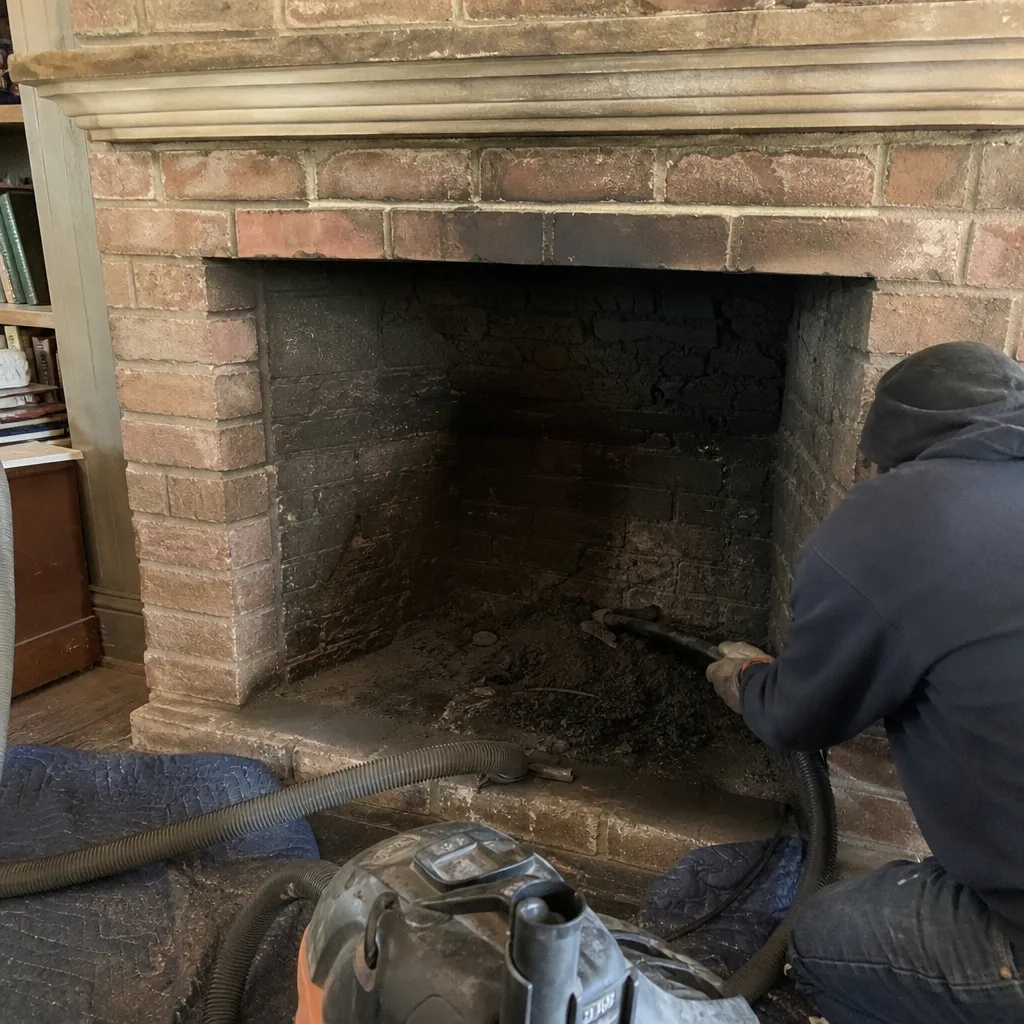 Before
 After
 Before
 After